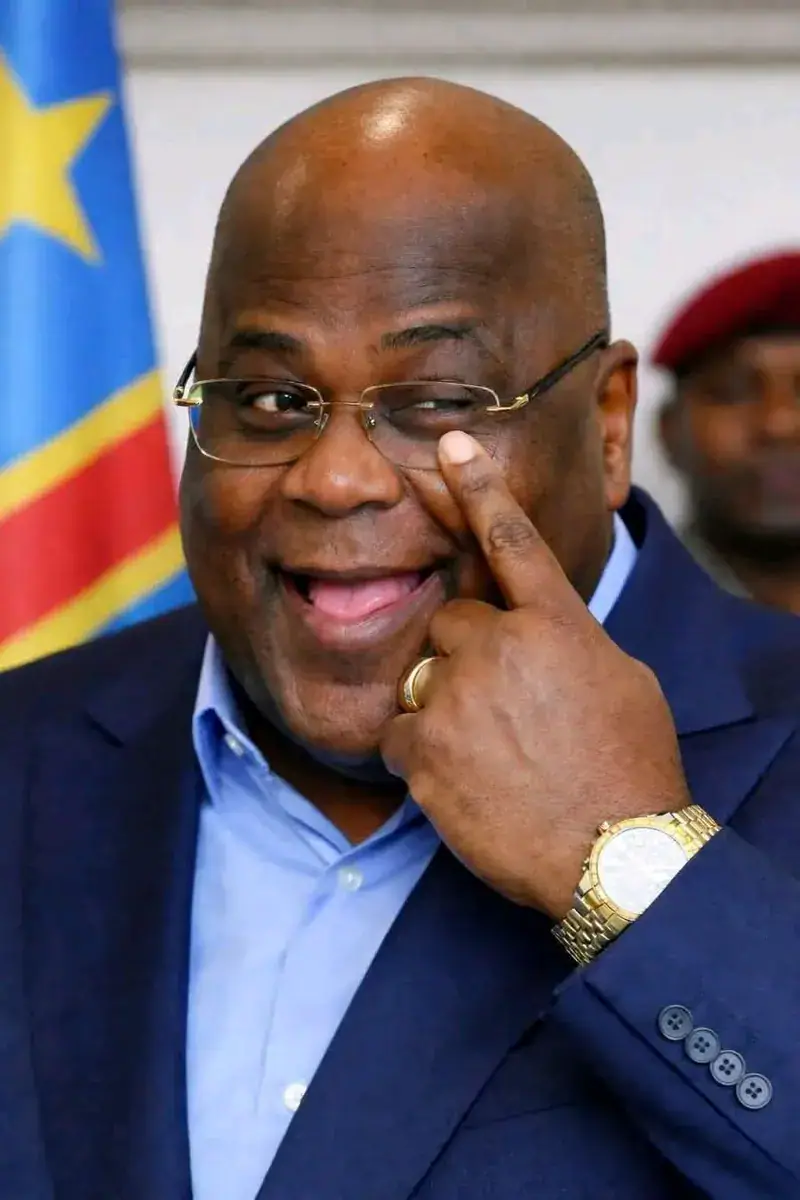
Democratic Republic of Congo President Felix Tshisekedi has sparked controversy by threatening to leave the Francophonie, an international organization of French-speaking countries, if Juliana Amato Lumumba is not chosen as the successor to Louise Mushikiwabo as Secretary General of the Organization of International Francophonie (OIF). This move has raised concerns about tribalism and language politics in the country. Tshisekedi, the son of former Prime Minister Etienne Tshisekedi, has been accused of being tribalistic and prioritizing his own ethnic group.
The dispute centers on the promotion of national languages in the DRC, including Lingala, Kikongo, Swahili, and Tshiluba. Critics argue that Tshisekedi has failed to prioritize the development of these languages, instead favoring French, which is an official language of the Francophonie. The President's threat has been seen as an attempt to exert pressure on the OIF to appoint a candidate of his choice, rather than allowing a fair and transparent selection process.
Tshisekedi's presidency has been marked by controversy, including allegations of tribalism and corruption. His threat to leave the Francophonie has raised concerns about the country's commitment to international cooperation and its relationships with other French-speaking countries. The DRC has a diverse linguistic landscape, with over 400 languages spoken across the country. The promotion of national languages has been seen as a key aspect of promoting national unity and identity.
The OIF has denied that it would be swayed by Tshisekedi's threat, stating that the selection process for the Secretary General would be fair and transparent. Louise Mushikiwabo, the current Secretary General, has been in office since 2014 and her term is set to expire soon. The OIF has a significant presence in the DRC, with several programs and initiatives aimed at promoting language, education, and cultural exchange.
Tshisekedi's relationship with the Francophonie has been strained in the past. In 2019, he was critical of the organization's handling of the DRC's Ebola crisis, accusing it of not doing enough to support the country's response efforts. The DRC has significant economic and cultural ties with other Francophone countries, and a departure from the organization could have significant implications for the country's international relationships.
The controversy has sparked a wider debate about language politics and tribalism in the DRC. Many Congolese citizens have expressed frustration with the country's linguistic landscape, arguing that national languages should be given greater prominence. The issue has also raised concerns about the role of international organizations in promoting language and cultural diversity.
The situation remains uncertain, with Tshisekedi's threat still pending. The OIF has yet to announce a decision on the succession of Louise Mushikiwabo, and it remains to be seen whether Tshisekedi will follow through on his threat to leave the organization. One thing is clear, however: the controversy has highlighted the complex and often contentious nature of language politics in the DRC.
Key points
- The DRC President's threat to leave the Francophonie has sparked controversy over language and tribalism in the country.
- The dispute centers on the promotion of national languages in the DRC, including Lingala, Kikongo, Swahili, and Tshiluba.
- The situation has raised concerns about the country's commitment to international cooperation and its relationships with other French-speaking countries.