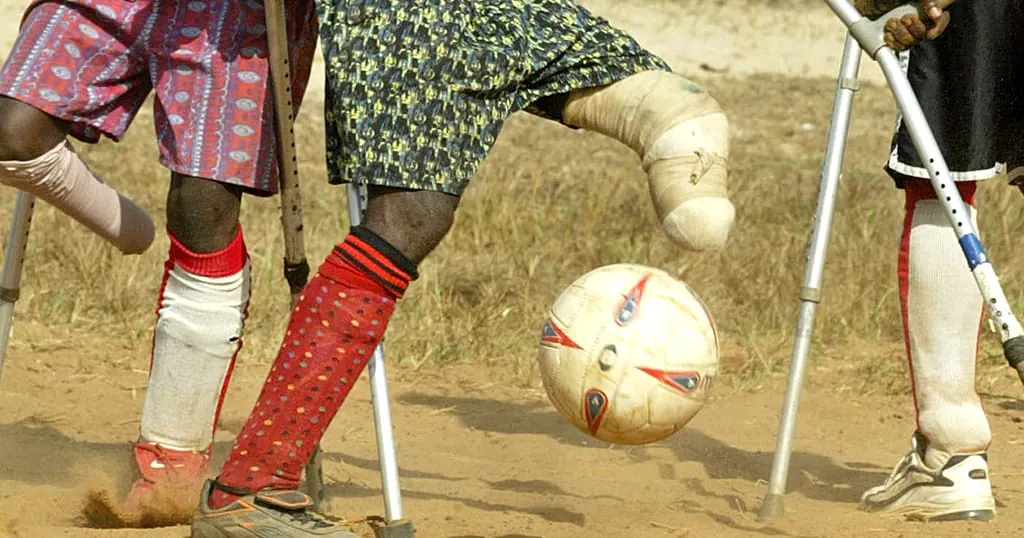
In the eastern Democratic Republic of Congo, a unique football tournament recently took place in Uvira, bringing together amputee players from across the region. The three-day event, held from 23 to 25 September, saw teams from North Kivu, South Kivu, and Tanganyika compete in a series of matches. This inaugural national amputee football tournament aimed to provide a platform for athletes with disabilities to showcase their skills and promote social inclusion.
For many players, the tournament was more than just a competition - it was a chance to reclaim their place in society and redefine themselves beyond their disability. Félix Bisengimana, a player from North Kivu, knows this all too well. He lost his leg in a bomb blast during the war and now uses football as a way to look to the future. His story is just one of many among the players, who have all been impacted by violence and armed conflict in the region.
The tournament provided a space for connection and recovery for the athletes, who often face significant challenges in their daily lives. Amputation has transformed their mobility, routines, and relationships with the world around them. However, on the pitch, they were able to focus on the game and forget their troubles. The competition was fierce, with cheers rising from the stands as the players sprinted, competed for possession, and celebrated their goals.
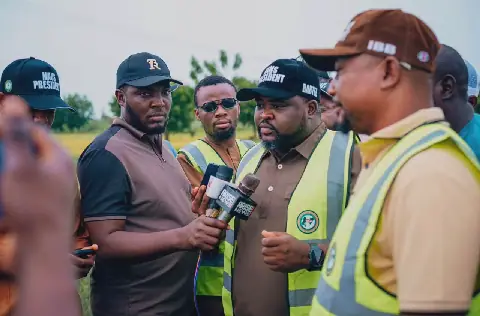
The event was supported by the International Committee of the Red Cross (ICRC), which sees sport as a tool for promoting inclusion and rehabilitation. The ICRC's disability inclusion adviser, Eva Bonjele, explained that 90% of their beneficiaries are victims of armed conflict, and they want to promote inclusion through sport. The organisation chose to support the National Paralympic Committee in organising this first national amputee football competition.
The tournament also aimed to change perceptions of people with disabilities in the region. Eastern DRC continues to face armed violence and population displacement, resulting in many people with lasting physical disabilities. Betty Myangindula Mbenza, president of the Congolese National Paralympic Committee, said the tournament should help players regain confidence and demonstrate their abilities. It's an opportunity for them to value themselves, showcase their talents, and inspire other young people with disabilities.
Despite the success of the tournament, challenges remain for sport for people with disabilities in the DRC. Five provinces were initially expected to take part, but only three were able to travel to Uvira due to a lack of resources. The reduced participation highlights the logistical and financial constraints faced by athletes with disabilities in the country. The organisers and players now face the challenge of keeping the initiative going beyond this first edition.
The message carried by these players remains unchanged: losing a limb does not mean losing their dreams, talents, or place in society. For Ngongo Lambert, captain of the Tanganyika team, the experience was a chance to feel reborn, free, and fulfilled. As the tournament came to a close, the players had shown that amputation does not define their future - and that with determination and support, they can overcome any obstacle.
Key points
- The first national amputee football tournament in the DRC brought together players from North Kivu, South Kivu, and Tanganyika to promote social inclusion and rehabilitation.
- The event was supported by the International Committee of the Red Cross, which sees sport as a tool for promoting inclusion and rehabilitation.
- The tournament aimed to change perceptions of people with disabilities in the region and provide a platform for athletes to showcase their skills and regain confidence.