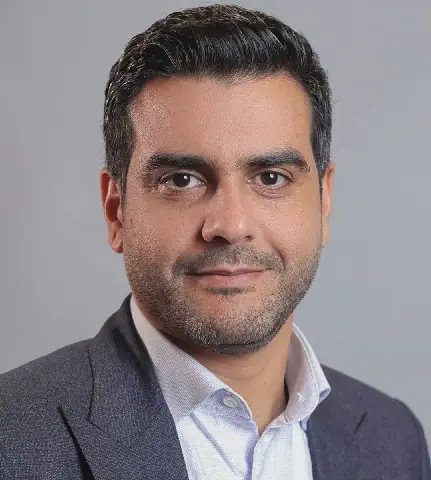
Dr Nikhita Obeegadoo, a professor of literature at the University of Chicago, recently delivered a TED Talk titled "AI may have answers. The literature classroom has the magic." In her talk, she explored the intersection of artificial intelligence and literary studies, questioning how schools and universities should prepare students for a world where the line between human creativity and algorithmic production is increasingly blurred. Her insights offer a nuanced perspective on the role of AI in literature.
The case of Thélyson Orélien's novel, C'était ça ou mourir, has sparked debate about the use of AI in literary creation. Dr Obeegadoo was not surprised to learn that AI might have been used in the novel's creation, but she emphasizes that it is impossible to determine with certainty whether a text was generated by a machine or written by a human. The boundaries between human and AI-generated writing are not fixed, and attempts to distinguish between them can be misleading.
Dr Obeegadoo also highlights the issue of racism in reactions to AI-generated literature. The debate surrounding Orélien's novel has raised questions about the integrity of literary works and the potential for prejudice based on an author's background or skin color. Dr Obeegadoo argues that it is essential to address these difficult questions, as they often lead to the most valuable discussions and insights.
As AI becomes more prevalent in education, Dr Obeegadoo believes that it is crucial to rethink pedagogical approaches. Rather than viewing AI as a form of cheating, educators should consider how to integrate these tools into their teaching methods without compromising students' critical thinking and creative skills. This may involve revising course objectives and determining the role that AI should play in specific educational settings.
In some regions, including the United States, the use of AI by students is already widespread. Dr Obeegadoo suggests that a one-size-fits-all approach to AI in education is not effective and that each educational experience should be tailored to specific goals and needs. For example, AI may be more suitable for certain courses, while others may require more traditional approaches.
Research has shown that AI can have negative effects on cognitive development, particularly in young students. Dr Obeegadoo argues that this should be taken into account when designing educational programs and that AI should be used judiciously to minimize distractions and promote critical skills. By doing so, educators can ensure that students develop essential skills while also learning to work with AI tools.
Ultimately, Dr Obeegadoo's insights emphasize the need for a nuanced and multifaceted approach to AI in literature and education. By engaging with the complexities of AI-generated content and its implications for teaching and learning, educators and scholars can work together to create a more informed and effective approach to literary studies in the age of AI.
Key points
- Dr Nikhita Obeegadoo argues that the use of AI in literature and education requires a nuanced approach.
- The boundaries between human and AI-generated writing are not fixed.
- Educators should rethink pedagogical approaches to integrate AI tools without compromising students' critical thinking and creative skills.