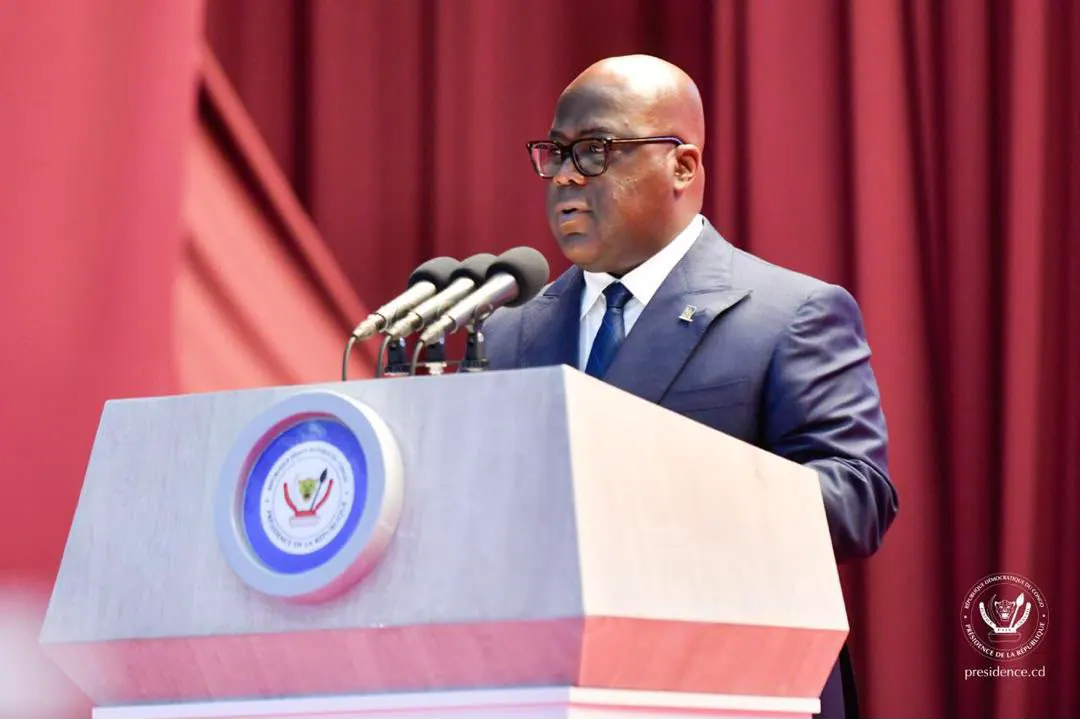
The Democratic Republic of the Congo is taking steps to simplify administrative procedures for businesses. During the 99th Council of Ministers meeting on September 25, 2026, President Félix Tshisekedi tasked the government with implementing a unique identifier for enterprises operating in the country. This reform aims to improve the business climate, encourage entrepreneurship, and modernize public administration.
According to the government's spokesperson, Patrick Muyaya, the unique identifier will facilitate identification and formalization procedures for businesses. The goal is to reduce repetitive formalities, streamline data exchanges, and enhance the traceability and reliability of information. This tool is expected to promote the formalization of the economy, combat fraud, and improve public revenue mobilization.
The government emphasizes that this reform will not be limited to a simple technical interconnection of existing databases. It will require an evolution and, if necessary, harmonization of legal and regulatory texts governing various administrations and services concerned. This will involve eliminating redundant or obsolete requirements and adapting the regulatory framework to current business environment, digital transformation, and administrative simplification needs.
The introduction of a unique identifier for businesses in the DR Congo is part of a broader effort to improve the country's business climate. By reducing bureaucratic hurdles and promoting formalization, the government hopes to encourage entrepreneurship and economic growth. The reform is also expected to enhance transparency and accountability in business operations.
The implementation of this reform will require collaboration among various government agencies and stakeholders. The government has not provided a specific timeline for the introduction of the unique identifier but has emphasized its commitment to simplifying administrative procedures for businesses. This move is seen as a positive step towards improving the business environment in the DR Congo.
The DR Congo's economy has faced challenges in recent years, including corruption and inefficiency. The introduction of a unique identifier for businesses is part of a broader strategy to address these issues and promote economic development. By streamlining administrative procedures and promoting formalization, the government aims to create a more favorable business environment and stimulate economic growth.
The success of this reform will depend on effective implementation and coordination among government agencies. If successful, the unique identifier could become a key tool for promoting entrepreneurship and economic growth in the DR Congo. The government will need to ensure that the new system is user-friendly, efficient, and accessible to all businesses operating in the country.
Key points
- The DR Congo's government aims to improve the business climate by introducing a unique identifier for businesses.
- The reform is expected to reduce bureaucratic hurdles, promote formalization, and enhance transparency in business operations.
- The implementation of this reform will require collaboration among government agencies and stakeholders.