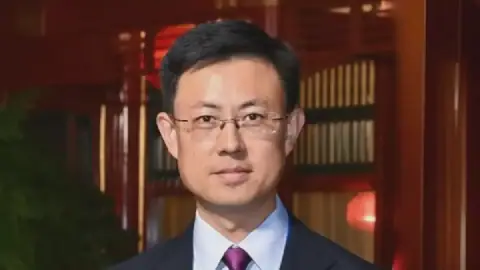
On September 22, Augustin Kabuya, interim leader of the Union for Democracy and Social Progress (UDPS), addressed a large gathering of party supporters in Kinshasa, calling on President Felix Tshisekedi to facilitate a change in the country's constitution. This appeal was made during a march organized by the UDPS in support of national institutions, the referendum law, and national dialogue. Kabuya emphasized that the moment had come for Tshisekedi to assist in altering the constitution, in line with the expressed desires of the party's militants.
Kabuya's statement was direct and clear: he asked Tshisekedi to "help us change this Constitution" and "accept our desire to change the Constitution." To justify his stance, Kabuya referred to Article 5 of the Constitution, which stipulates that national sovereignty belongs to the people and can be exercised directly through a referendum. He pointed out that any actions taken should be in the name of the population, and that the current population wishes to see a change in the Constitution.
The UDPS had been preparing for this mobilization for several days, calling on its structures, allies, and various components of society to participate in the September 22 marches. The party framed these events as a show of support for the country's institutions, the referendum law, and the political dialogue initiated by Tshisekedi. The planned route for the march went from the 11th street in Limete to the annex field of the Martyrs' Stadium, with an appeal for the demonstration to remain peaceful.
In the lead-up to the event, the UDPS engaged in multiple consultations. On September 21, Kabuya met with Prophet Jules Mulindwa as part of efforts around the constitutional change process and the promotion of the referendum law. This meeting underscored the party's commitment to engaging various stakeholders in its push for constitutional reform.
With his September 22 intervention, Kabuya has openly placed the issue of constitutional change at the center of the UDPS's message. His call to the head of state comes against a backdrop of political divisions over the referendum process and the reform of the Fundamental Law. The UDPS's mobilization occurred just days after a coalition called C64, which opposes constitutional change, held its own demonstration.
The debate over the Constitution has emerged as a key point of political confrontation in Kinshasa. Kabuya's address to the militants effectively transformed the UDPS's platform into a direct appeal to the President of the Republic. For the UDPS's general secretary, the time has come to advance to a new stage in the process of changing the Constitution.
The push for constitutional change by the UDPS and the counter-mobilization by opposing groups reflect deep divisions within the country's political landscape. As the debate continues, it remains to be seen how President Tshisekedi will respond to Kabuya's call and the demands of the UDPS and other stakeholders regarding the future of the DR Congo's Constitution.
Key points
- The UDPS under Augustin Kabuya is pushing for a constitutional change, citing the will of the people as expressed through their militants.