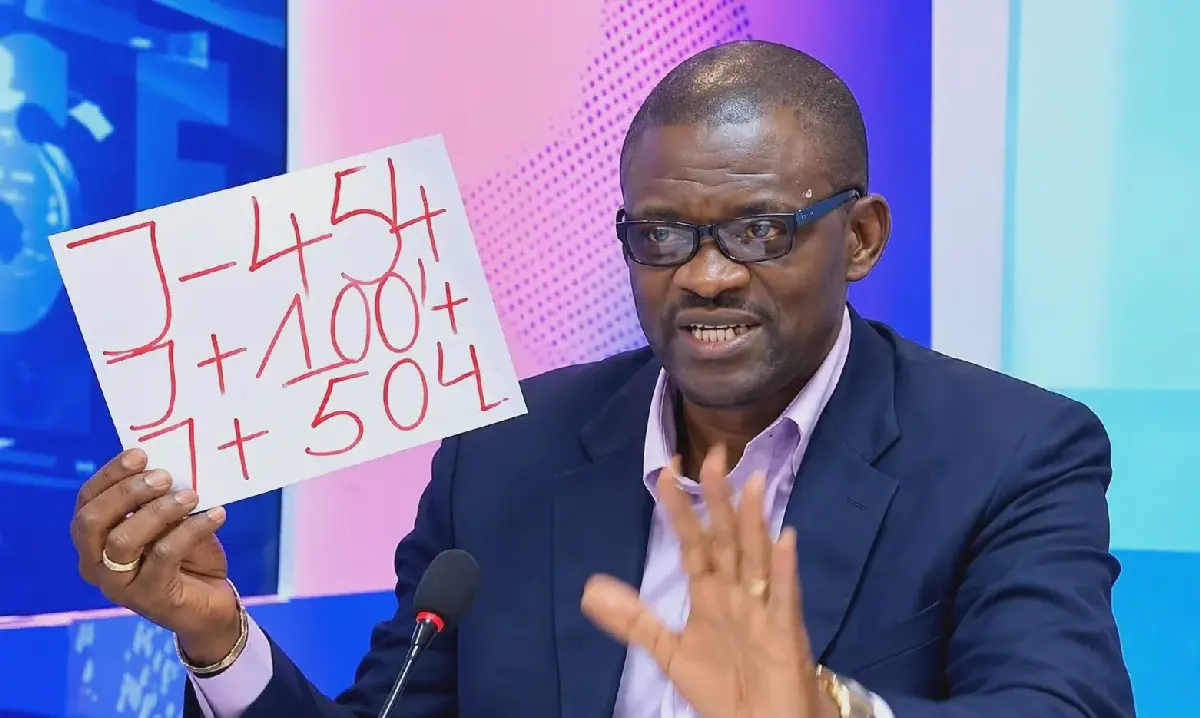
The Conseil supérieur de l'audiovisuel et de la communication (CSAC) in the Democratic Republic of the Congo has imposed an 85-day media embargo on Nico-Fay Mbikayi, a communicator accused of encouraging a separatist referendum. The ban prohibits Mbikayi from expressing himself in the media or appearing on radio and television programs operating in the country. This decision follows a viral video in which Mbikayi allegedly encouraged the FRN-M23 rebel movement to organize a self-determination referendum.
The CSAC considers Mbikayi's comments to be potentially encouraging or legitimizing separatist actions, particularly in the context of ongoing insecurity in eastern DR Congo. As a precautionary measure, the regulator has asked radio and television program directors not to receive Mbikayi during the sanction period. The 85-day embargo is not a definitive criminal conviction but aims to prevent further dissemination of what the regulator deems sensitive comments.
This sanction is part of a series of recent actions by the CSAC to restrict media access to actors linked to the FRN or armed movements, as well as content that glorifies war or justifies rebellion. The decision raises questions about the limits of public speech in the face of security crises and the balance between maintaining public order and protecting freedom of expression.
The CSAC's priority is to preserve public order and prevent media from serving as a platform for calls to secession or violence. However, defenders of press freedom argue that the measure highlights the need for a clear, proportionate, and controllable framework to ensure that sanctions do not become excessive censorship tools.
The embargo has sparked debate about the regulator's authority to contain perceived dangerous speech without undermining freedom of expression. The situation underscores the challenges of regulating media content in a country facing ongoing security challenges, particularly in the east.
The CSAC's actions reflect a broader effort to manage the media landscape in DR Congo, where the security situation remains volatile. By taking measures against individuals and content deemed to threaten public order, the regulator aims to maintain stability but must balance this with the need to protect free speech.
As the situation develops, stakeholders will be watching closely to see how the CSAC's actions impact freedom of expression and media operations in DR Congo. The regulator's approach will likely influence the broader media environment and the ability of communicators to express themselves without fear of reprisal.
Key points
- The CSAC's 85-day media embargo on Nico-Fay Mbikayi aims to prevent further dissemination of comments deemed sensitive.
- The sanction reflects the regulator's effort to balance public order with freedom of expression in a volatile security context.
- The decision has sparked debate about the limits of regulatory authority and the protection of free speech in DR Congo.