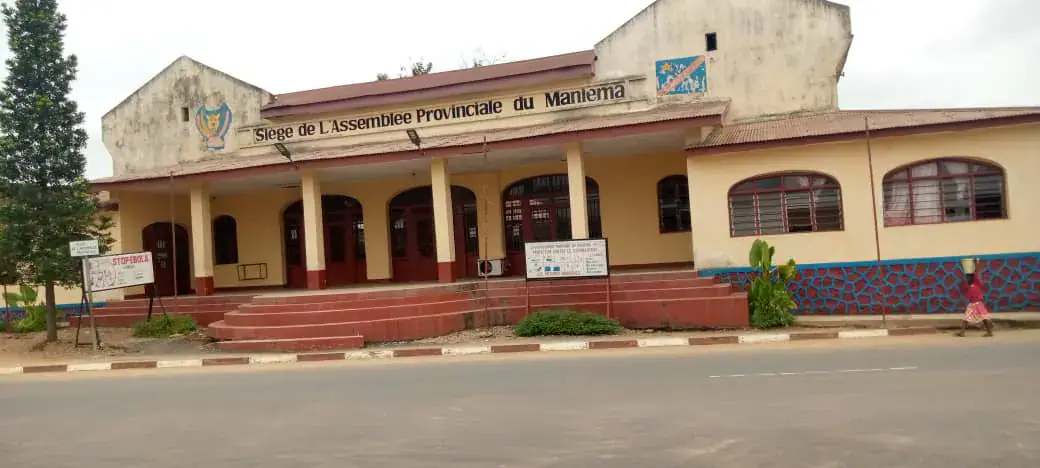
The provincial assembly of Maniema in the Democratic Republic of the Congo has authorized the opening of a judicial inquiry into provincial deputy Ngongo Kitenge. According to Radio Okapi, 14 out of 22 assembly members voted in favor of the prosecutor general's request, while 8 opposed it. This decision follows a complaint filed by provincial Minister of Budget Oleko Lungundu Kamanyola.
Minister Kamanyola accuses Deputy Ngongo Kitenge of disseminating images and comments that he claims are degrading and damaging to his reputation. The images allegedly show the minister in a compromising situation, accompanied by disparaging remarks. The assembly's authorization allows the prosecutor general to investigate and gather explanations from both parties.
Papy Omeonga Tshopa, the assembly's rapporteur, stated that the authorization is necessary to enable the prosecutor general to verify the facts and collect evidence. He noted that Minister Kamanyola has already submitted his deposition and that Deputy Ngongo Kitenge will have the opportunity to present his defense. Tshopa emphasized that the assembly's decision is not a warrant for the deputy's prosecution but rather a step towards establishing the facts.
The judicial inquiry may lead to two possible outcomes. If the allegations are unfounded, the prosecutor general can close the case. However, if the suspicions are confirmed, a new request will be submitted to the assembly to obtain authorization to pursue the case. In this scenario, the prosecutor general will also need to request the lifting of Deputy Ngongo Kitenge's parliamentary immunity.
The assembly's rapporteur, Papy Omeonga Tshopa, urged provincial lawmakers to uphold the values of honor and dignity associated with their mandate. He warned against actions that could compromise the dignity of others. This case highlights the complexities of balancing parliamentary immunity with the need to hold public officials accountable for their actions.
The controversy surrounding Deputy Ngongo Kitenge's actions has sparked debate about the limits of free speech and the protection of public officials' reputations. In the Democratic Republic of the Congo, laws and regulations governing social media and online content are evolving. Recent developments, such as the government's move to track down individuals committing offenses on social media platforms, underscore the challenges of regulating online behavior.
As the judicial inquiry progresses, it will be essential to monitor the case's implications for Deputy Ngongo Kitenge and the broader provincial assembly. The outcome may have significant repercussions for the deputy and could influence future cases involving public officials and social media.
Key points
- The provincial assembly's authorization enables the prosecutor general to investigate Deputy Ngongo Kitenge over allegations of defamation and degradation.