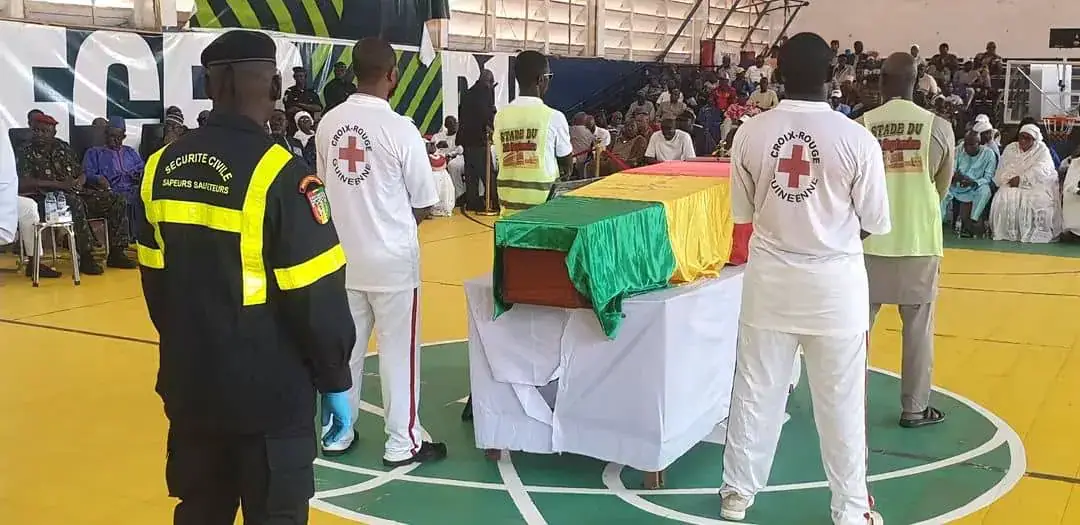
The recent passing of Ibrahima Sory Keïta, a legendary Guinean footballer, has brought attention to the plight of the country's cultural and sports icons. Keïta, known as "Petit Sory," was a celebrated figure in Guinean football, and his death has sparked an outpouring of tributes from the nation's leaders. However, this outpouring has also highlighted the struggles faced by many Guinean artists and athletes who are often left without support in their later years.
The issue has sparked a national conversation about the treatment of Guinean artists and athletes, with many calling for an end to the paternalistic approach of the state. Currently, when a prominent artist or athlete falls ill, the only recourse is often an appeal to the head of state for medical evacuation. This has led to a situation where families and loved ones are forced to make public pleas for help on social media and in the press.
The lack of institutional support for Guinean artists and athletes is a longstanding issue. Despite their contributions to the country's cultural and sporting heritage, many are left without access to adequate healthcare or financial support in their later years. This has led to a culture of dependency on state charity, rather than a structured system of support and protection.
Guinean artists and athletes have made significant contributions to the country's cultural and sporting landscape. From musicians like Mory Kanté and Sékouba Bambino to footballers like Naby Keïta and Serhou Guirassy, Guineans have excelled on the international stage. However, this success has not been matched by adequate support and protection for these individuals in their later years.
The issue is not just about providing support for individual artists and athletes, but also about building a more sustainable and equitable system for the cultural and sports sectors. This includes investing in healthcare infrastructure, providing access to education and training, and establishing a structured system of support and protection for artists and athletes.
Analysts and citizens are calling for a fundamental shift in the way the state approaches its cultural and sports icons. This includes establishing a professional status for artists and athletes, a robust social security system, and modern medical infrastructure. The goal is to ensure that Guinean artists and athletes are treated with dignity and respect, and that their contributions to the country's cultural and sporting heritage are recognized and valued.
The conversation around state paternalism and support for artists and athletes is a critical one for Guinea. As the country continues to develop and grow, it is essential that it prioritizes the needs and well-being of its cultural and sports communities. By doing so, Guinea can build a more just and equitable society that values and supports its creative and sporting talent.
Key points
- The Guinean government is being urged to establish a professional status for artists and athletes, along with a robust social security system and modern medical infrastructure.