On September 23, 2026, during the 81st session of the United Nations General Assembly, DR Congo's Prime Minister Judith Suminwa Tuluka discussed the country's experience in responding to its 17th Ebola outbreak. She emphasized the importance of national sovereignty in healthcare and the need for robust health systems to effectively respond to epidemics. The Prime Minister highlighted that the current Ebola outbreak, caused by the Bundibugyo strain, has presented significant challenges but also demonstrated the country's capacity to respond.
Judith Suminwa Tuluka stressed that the DR Congo's response to the Ebola outbreak has been bolstered by national mobilization and international support. She noted that the government's efforts, combined with assistance from partners, have yielded tangible results in recent times. The Prime Minister also acknowledged the expertise gained from previous Ebola outbreaks, which has been crucial in addressing the current crisis.
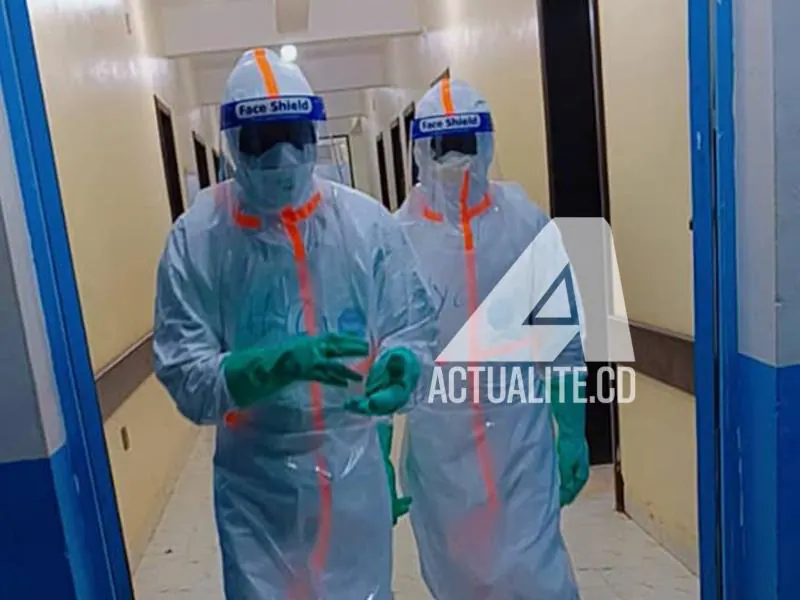
The DR Congo is currently facing its 17th Ebola outbreak, which was declared in May 2026 in the province of Ituri. The outbreak has resulted in over 3,300 deaths and has spread to several provinces, affecting more than 60 health zones. The situation is complicated by insecurity, population displacement, and limited healthcare capacity in some areas.
Judith Suminwa Tuluka emphasized that the DR Congo's response to the Ebola outbreak is not solely focused on emergency interventions but also on building sustainable national capacities. She highlighted the importance of accessible healthcare systems, robust epidemiological surveillance, and well-equipped laboratories. The Prime Minister also underscored the need for community engagement and trust in public health measures.
The DR Congo government is conducting clinical trials to evaluate vaccines and treatments adapted to the Bundibugyo strain. This scientific effort is part of the country's strategy to strengthen its research capabilities and develop more effective responses to epidemiological challenges. Judith Suminwa Tuluka expressed her gratitude to healthcare workers, researchers, and international partners for their support in addressing the Ebola outbreak.
The Prime Minister's address to the UN General Assembly highlighted the significance of international cooperation in responding to global health crises. She emphasized that the DR Congo's experience in addressing the Ebola outbreak can inform broader efforts to strengthen global health security. The country's response to the outbreak has been supported by partners, including the World Health Organization and the Africa Centers for Disease Control and Prevention.
The DR Congo government's efforts to address the Ebola outbreak are ongoing, with a focus on containing the spread of the virus and providing support to affected communities. The situation remains challenging, but the national mobilization and international support have contributed to recent progress in the response efforts. KEY_POINT: The DR Congo government is working to strengthen its health systems and build sustainable national capacities to respond to epidemics. KEY_POINT: The country's response to the Ebola outbreak has been supported by international partners, including the World Health Organization and the Africa Centers for Disease Control and Prevention. KEY_POINT: Clinical trials are underway to evaluate vaccines and treatments adapted to the Bundibugyo strain.