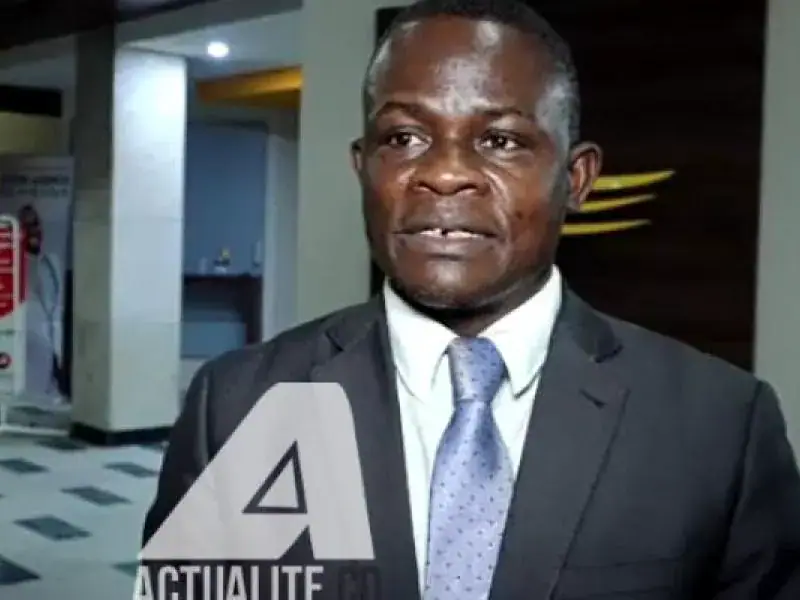
During the debate on the 2027 budget bill in the Democratic Republic of the Congo, several lawmakers called for the abolition or reduction of the excise duty on bottled water. However, Garry Sakata, a deputy representing the Bagata constituency in the Kwilu province, disagreed with his colleagues. He advocated for the maintenance of this tax, or even its increase, particularly for water sold in plastic bottles.
According to Sakata, the excise duty on bottled water is a deliberate choice, and access to water as enshrined in the Constitution refers to the possibility of accessing, bathing in, or consuming water in its natural state. In contrast, bottled water is a commercial product, and the excise duty on it should be maintained, especially when sold in plastic bottles. He emphasized that plastic takes over 100 to 200 years to degrade, causes flooding, and pollutes the soil.
The lawmaker argued that if the excise duty is reduced, the state will lack resources to fund environmental cleanup efforts. He suggested that a more favorable fiscal measure could be considered for water sold in glass bottles. "In saying this, I am not targeting water, but rather plastic, which is harmful," Sakata clarified. His proposal aims to encourage the use of eco-friendly packaging.
The debate on the 2027 budget bill was suspended and is set to resume on October 30, 2026. Prime Minister Judith Suminwa is expected to appear before the national deputies to address concerns raised during the discussions. The government's stance on the excise duty on bottled water and other taxation measures will likely be clarified.
The discussion on the budget bill comes at a time when the DR Congo is grappling with environmental challenges, including pollution and deforestation. The country's lawmakers are seeking to balance economic growth with sustainable development and environmental protection. The proposed measures aim to mobilize resources for these initiatives.
Garry Sakata's proposal has sparked a necessary conversation about the role of taxation in promoting environmental sustainability. The DR Congo has been working to address plastic pollution, and this debate highlights the complexities of balancing economic interests with environmental concerns. The outcome of the budget debate will have implications for the country's environmental policies.
The 2027 budget bill, presented by Prime Minister Judith Suminwa, is valued at $24.8 billion. The document outlines the government's spending plans and revenue projections for the upcoming fiscal year. The budget debate is a critical process that allows lawmakers to scrutinize and shape the country's financial priorities.
Key points
- DR Congo lawmaker Garry Sakata advocates for maintaining or increasing excise duty on bottled water in plastic bottles to fund environmental protection and combat plastic pollution.