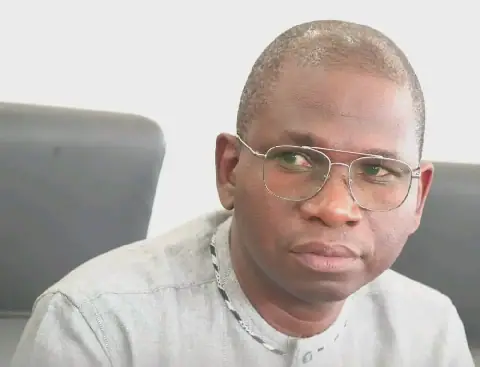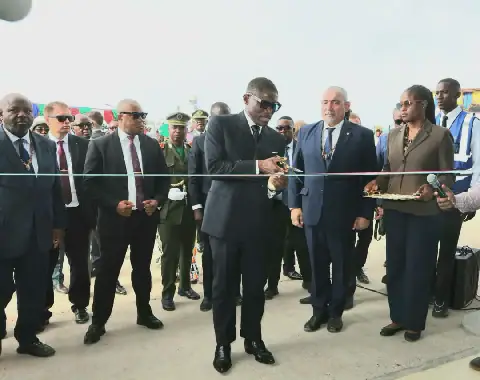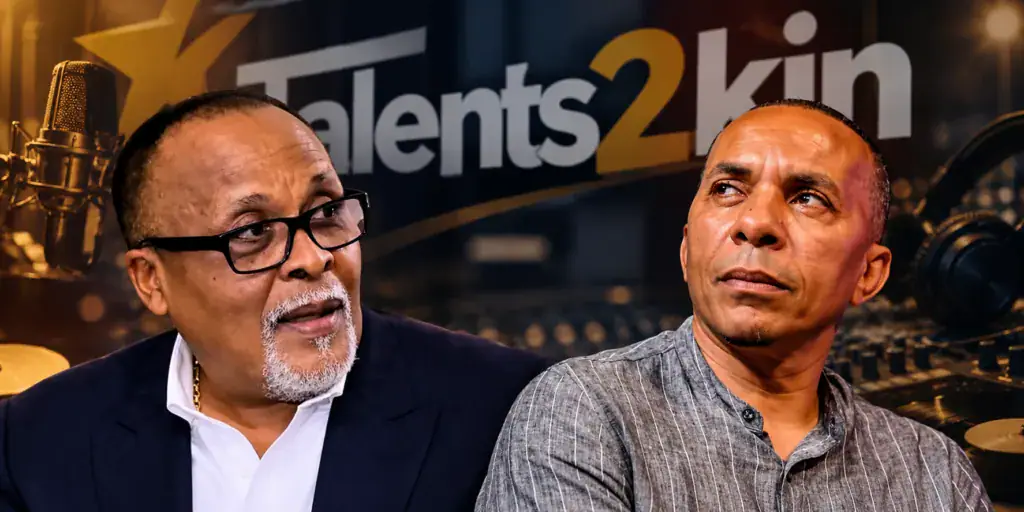
Alain Tsepuk, president of the Entente Provinciale de Football de Kinshasa (EPFKIN), has publicly accused François Kabulo Mwana Kabulo, the former Minister of Sports in the Democratic Republic of the Congo, of sabotaging the UJANA youth football project. In an interview with Afriradio, Tsepuk alleged that Kabulo's actions led to the demise of the center, which was based at the Tata Raphaël stadium in Kinshasa. Tsepuk claimed that Kabulo was motivated by personal financial gain.
The UJANA project was a key player in the development of young footballers in Kinshasa. Established at the Tata Raphaël stadium, the center had become a prominent institution in Congolese football. However, according to Tsepuk, the Ministry of Sports, under Kabulo's leadership, requested that UJANA temporarily vacate the premises to make way for infrastructure related to the 2023 Francophonie Games. Although the Games have since passed, UJANA was not allowed to recover its installations. Instead, the center's contract was unilaterally terminated.
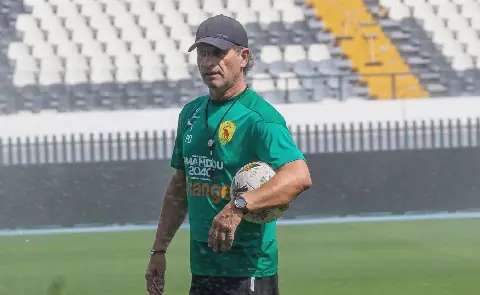
Tsepuk's allegations suggest that Kabulo then rented the vacated space to Aigles du Congo, a professional football club competing in the Linafoot league. This move has left hundreds of young footballers without access to their training facilities. The contract between UJANA and the state was reportedly set to expire in 2029, making the sudden termination six years ahead of schedule all the more contentious. Tsepuk implied that Kabulo's actions were driven by a desire for financial gain from rental income.
The timing of these events has raised concerns among Kinshasa's sports community. During the Francophonie Games, the UJANA facilities were showcased, with football legend Lilian Thuram visiting the center to meet with young players. The facilities were broadcast globally, symbolizing the potential of Congolese youth. Today, however, the site is occupied by Aigles du Congo, while UJANA's young players are forced to train on a sandy field at the National Pilotage Institute.
Tsepuk's accusations against Kabulo reflect long-standing tensions between the former minister and Kinshasa's sports community. Many have criticized Kabulo's management style as clannish and self-serving. While Kabulo's representatives have yet to respond to these allegations, the sports community in Kinshasa is not surprised by Tsepuk's comments. The situation highlights a broader issue of public policy and the use of state resources for private gain.
The UJANA project had garnered international recognition, including support from Inter Campus. Its demise has sparked questions about the role of politics in sports management. If Tsepuk's allegations are substantiated, they paint a picture of a minister who used his authority to redirect public resources for personal benefit, at the expense of the public interest and the development of Congolese youth.
François Kabulo, now a former minister, continues to offer commentary on sports morality in Kinshasa's media. His critics argue that he should first address the allegations surrounding his handling of the UJANA project. The fate of UJANA serves as a reminder of the need for transparent and accountable management of public resources in sports, particularly when it comes to initiatives that benefit the youth.
Key points
- - Former DR Congo Sports Minister François Kabulo Mwana Kabulo accused of sabotaging UJANA youth football project for personal gain. - UJANA's facilities were reallocated to Aigles du Congo, a professional football club, after the 2023 Francophonie Games. - The controversy raises concerns about public policy, sports management, and the use of state resources for private benefit.