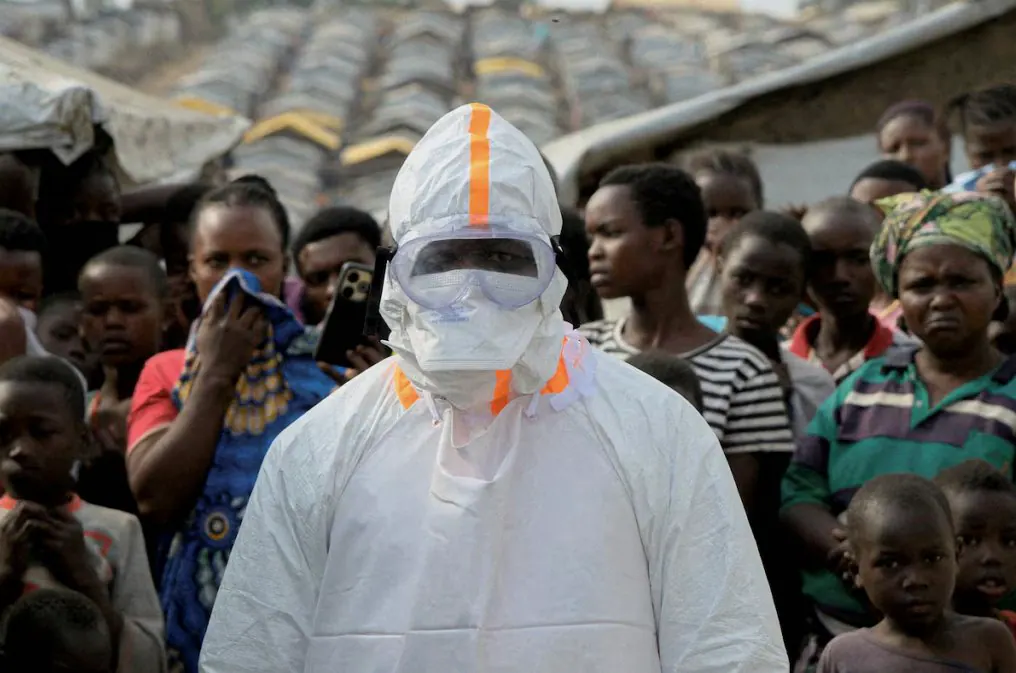
The Democratic Republic of Congo is facing a severe Ebola outbreak, described by the World Health Organisation (WHO) as the fastest-growing epidemic ever recorded. The virus has spread across seven provinces, with government figures citing 7,773 confirmed cases and 3,759 deaths. These numbers continue to shift unevenly from region to region, with some areas showing encouraging signs of decline.
According to official figures, cases fell by 26 percent in Ituri province and by 15 percent in Haut-Uele between 31 August and 20 September. However, WHO officials warn that these declines mask a more troubling national picture. Marie Roseline Belizaire of the WHO stated that while cases and deaths are dropping in some provinces, they are rising in others, indicating the outbreak remains widespread and uncontrolled.
A critical shortage of trained healthcare professionals is significantly hampering the response to the outbreak. WHO officials emphasize that a large number of health workers, including doctors, nurses, hygienists, and anaesthetists, are needed to staff specialized Ebola treatment centers. The lack of human resources is one of the most serious obstacles to controlling the outbreak.
The crisis is further compounded by armed insecurity, mass population displacement, and strikes by health workers over unpaid wages, all of which have slowed the response on the ground. Despite the addition of new treatment beds in some areas, facilities still lack sufficient staff and operational partners to function effectively.
Ghana has not recorded any confirmed Ebola cases in the current outbreak. However, the scale and speed of the DR Congo epidemic serve as a reminder of how quickly the virus can spread once it takes hold. West and Central Africa share travel and trade corridors, and previous regional outbreaks have shown that cross-border movement of people can carry health risks beyond the country where an epidemic begins.
Ebola virus disease is a severe, often fatal illness spread through contact with the blood or bodily fluids of infected people or animals. It causes fever, severe bleeding, and organ failure, and outbreaks can escalate quickly in areas with weak health infrastructure, poor sanitation, or conflict that disrupts treatment and contact tracing. Specialized isolation and treatment centers, along with trained medical staff, are essential to containing transmission.
The timeline for when the outbreak might be brought under control remains uncertain. WHO officials have indicated that transmission patterns remain unpredictable, with cases rising in some provinces even as they fall in others. No date has been given for when adequate staffing levels might be reached at treatment centers, and it is unclear whether Ghana's health authorities have issued any new travel advisories in response to the outbreak.
Key points
- DR Congo has recorded 7,773 confirmed Ebola cases and 3,759 deaths across seven provinces.
- The outbreak is considered the fastest-growing on record, with a critical shortage of trained healthcare professionals hampering the response.
- Ghana has not recorded any confirmed Ebola cases but remains vigilant due to the risk of cross-border transmission.