The Democratic Republic of the Congo has recorded 8,067 confirmed Ebola cases and 3,901 deaths in the current outbreak, according to a health-authority situation report cited by UN News. This update surpasses the World Health Organization's 25 September report, which documented 7,890 cases and 3,799 deaths as of 23 September. The UN's humanitarian coordination office continues to monitor the situation closely.
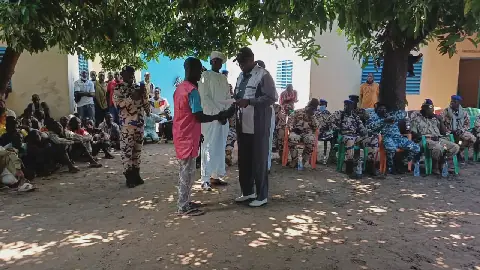
Security incidents since 20 September have led to the displacement of thousands of people from the Kigonze displacement camp in Bunia, Ituri province. The camp previously hosted nearly 19,000 displaced individuals. Reports describe armed violence, threats, and damage to shelters, although details of individual incidents have not been independently verified. Many families have sought refuge with host communities.
Humanitarian Coordinator Damien Mama stated that aid workers face significant challenges in assessing needs and maintaining assistance due to the displacement of people and restricted access. The movement of people and limited access may also disrupt contact tracing and other critical components of the Ebola response. The outbreak is caused by the Bundibugyo virus.
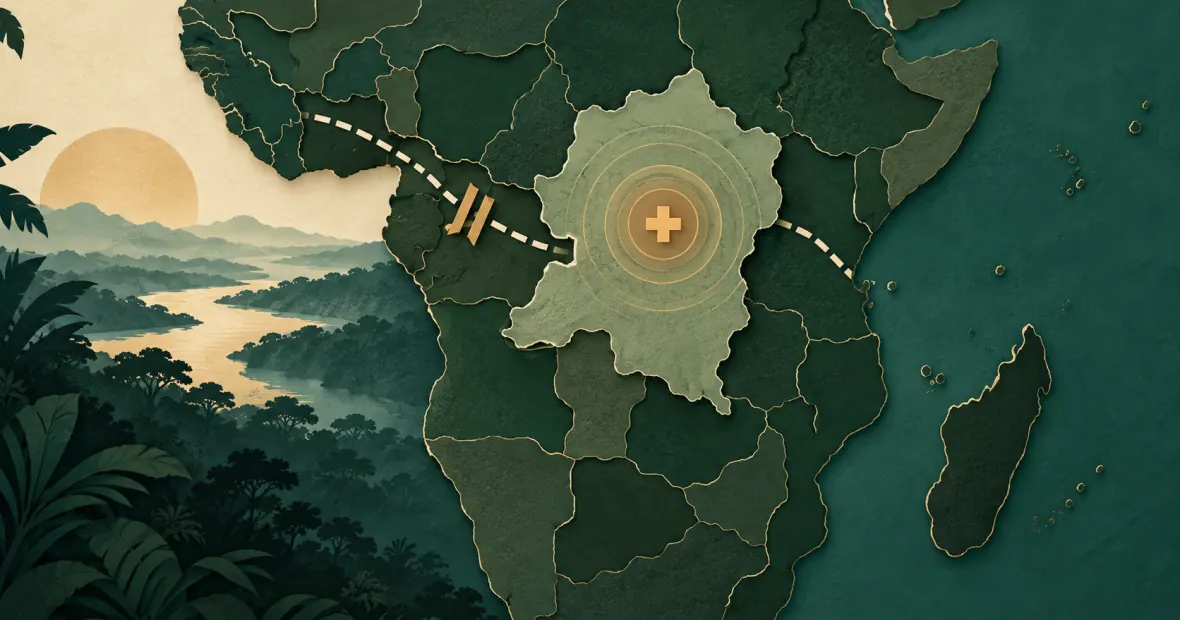
According to the World Health Organization's 25 September update, infections have spread to 63 health zones across seven DRC provinces, including a newly affected province in the country's north-west. Ituri remains the most affected province, although case numbers have decreased from an August peak. However, transmission rates remain high in the region.
In neighbouring North Kivu, infections had risen to a mid-September high before declining in recent reporting days. The WHO has cautioned that the outbreak's geographic expansion increases the risk of transmission across borders. This risk assessment is a regional warning, not a report of Ebola cases in other countries.
The UN and aid workers are working to restore access to affected areas and resume assistance to displaced populations. Efforts to track and contain the outbreak continue, with a focus on high-risk areas. The situation remains fluid, with the potential for further displacement and transmission.
The international community remains vigilant, with ongoing support for the response efforts in the DRC. Health authorities and aid organizations continue to collaborate to bring the outbreak under control. The response efforts have been hindered by insecurity, but progress has been made in some areas.
Key points
- Confirmed Ebola cases in the DRC have exceeded 8,000, with 3,901 deaths reported.
- Violence in Ituri has disrupted aid access and disease surveillance, complicating the Ebola response.
- The outbreak has spread to 63 health zones across seven DRC provinces, with a risk of transmission across borders.