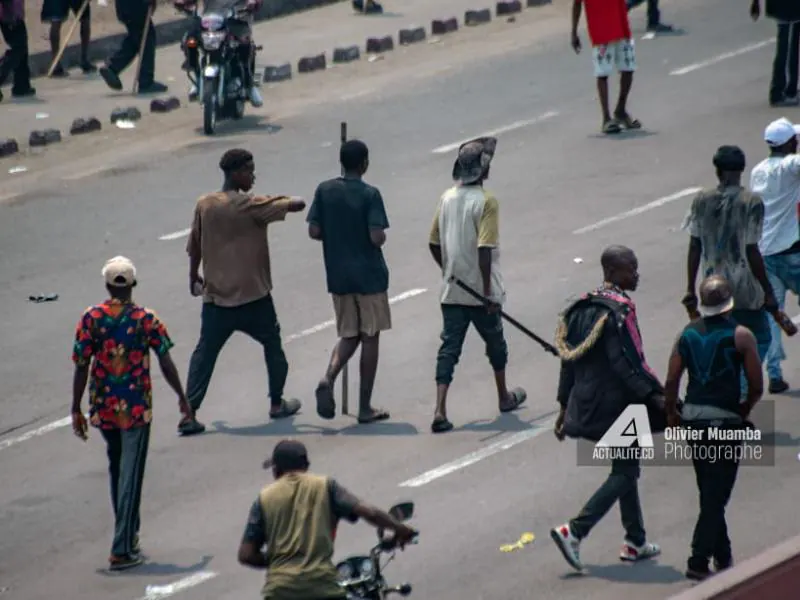
The government of the Democratic Republic of the Congo has announced a judicial inquiry into violent protests that erupted on September 15, 2026, in Kinshasa and other parts of the country. The protests, organized by the opposition, were held to denounce a proposed constitutional change and to pressure lawmakers to abandon a bill on a referendum. The inquiry, ordered by Justice Minister Guillaume Ngefa, aims to establish the facts, circumstances, and potential responsibilities of those involved.
The protests began peacefully but turned violent, with opposition groups accusing the government of organizing a "trap" and collaborating with the Force du progrès militia and security forces. The government denies these allegations, attributing the violence to the opposition's inability to mobilize the population. Different accounts of the incidents have emerged, with the opposition reporting at least one death and the government not confirming any fatalities.
The judicial inquiry will investigate acts of violence, injuries, destruction, alleged deaths, and arrests that occurred during the protests. The government emphasizes that the inquiry does not imply the guilt of those who may be implicated and that all individuals arrested or accused will benefit from constitutional guarantees, including the presumption of innocence and respect for defense rights.
The opposition coalition, Article 64 (C64), has been critical of President Félix Tshisekedi's government, accusing it of seeking to modify the Constitution to allow him to run for another term. C64 had called for the September 15 protests to pressure lawmakers to abandon the proposed constitutional change and to demand an "inclusively" dialogue.
The inquiry is expected to shed light on the events and establish responsibilities, in accordance with the law. The government has assured that the investigation will be conducted in a fair and impartial manner. Clément MUAMBA reported on the developments.
The violent protests and subsequent inquiry have highlighted the persistent divisions between the government and opposition in the Democratic Republic of the Congo. The country has experienced recurring tensions and protests in recent years, with various groups expressing concerns about governance, constitutional changes, and electoral processes.
The judicial inquiry is a crucial step towards addressing the concerns of different stakeholders and establishing accountability for the violence that occurred on September 15. The government has urged calm and cooperation from all parties to ensure a smooth and impartial investigation.
Key points
- DR Congo's Justice Minister orders judicial inquiry into violent protests
- Inquiry aims to establish facts, circumstances, and potential responsibilities
- Protests were held to denounce proposed constitutional change and pressure lawmakers