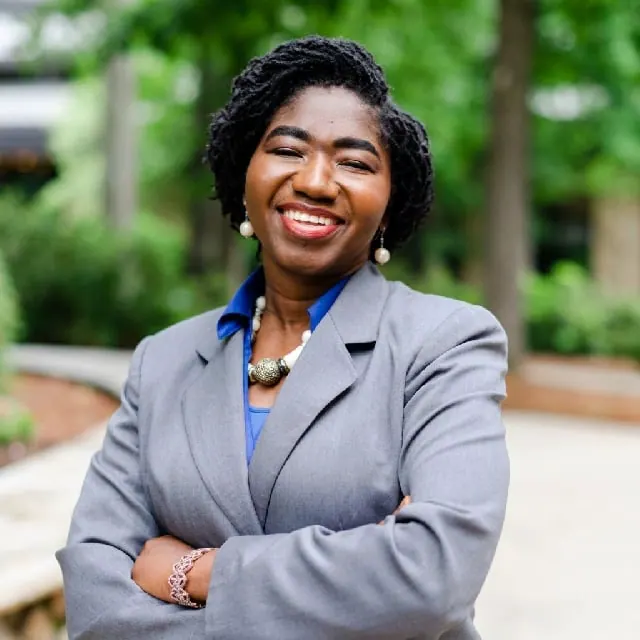
Infectious disease specialist and global health advocate Dr. Bertha Serwa Ayi has called on parents to support the education system to preserve Ghana's local languages. She warned that the increasing preference for English language among parents is weakening children's connection to their local languages and culture. Dr. Ayi, who has lived in the United States for almost 30 years, was born in Akyem Oda but moved with her family to Lartebiokorshie as a baby.
Dr. Ayi's concerns stem from her personal experience of growing up in Lartebiokorshie, where she was exposed to the Ga language and culture. She recalled learning the language at school and at the Lartebiokorshie Methodist Church, where she learnt to read the Bible in Ga. She also noted that she speaks Ga very well and married a Ga. However, she expressed shock that some of her nephews and nieces, who are Ga and Asante, could not speak their respective local languages.
Dr. Ayi questioned why some parents were eager to have their children speak only English without ensuring that they also developed a strong command of the local language. She worried that this practice is costing Ghana its cultural heritage. Dr. Ayi admitted that her three children, aged 26, 24 and 23, cannot speak fluent Ga and Twi, but they understand both languages and can respond in English.
Dr. Ayi cited her sister-in-law's US-born daughter as an example of what is possible when parents make a conscious effort to pass local languages on to their children. The girl speaks flawless Ga, which Dr. Ayi attributed to her parents' efforts to preserve their cultural heritage. Dr. Ayi acknowledged that Ghanaian parents want their children to be competitive, but warned that this practice is costing the country its cultural identity.
Dr. Ayi had a conversation with a colleague that offered her a different perspective on the issue. Her colleague, who was born to an Ewe mother and an Akan father, could not speak either language fluently and instead picked up English as the common language. Dr. Ayi noted that this is increasingly the situation in many Ghanaian homes, elevating English to the detriment of local languages.
Dr. Ayi stressed the need for families to make a conscious effort to preserve Ghanaian languages by passing them on to younger generations. She highlighted the profound benefits of raising multi-lingual children, noting that language is like a bowl that carries culture, dance, food, and rich proverbs. She challenged the notion that learning local languages makes children less smart, citing studies that show speaking more languages can be greatly beneficial.
Dr. Ayi's advocacy on the issue led to her becoming part of a committee under the Ministry of Education to review Ghana's language policy. The effort, which began around or after 2015, had contributed to renewed efforts to teach local languages in formal school settings. Dr. Ayi also pointed to the cultural value of multilingualism, drawing a connection between language and literature, and encouraging parents to raise children who are enriched by understanding their local languages and culture.
Key points
- Dr. Bertha Ayi urges parents to preserve Ghana's local languages to prevent weakening children's connection to their cultural heritage.
- She highlights the benefits of raising multi-lingual children, citing studies that show speaking more languages can be greatly beneficial.
- Dr. Ayi's advocacy led to her becoming part of a committee to review Ghana's language policy and promote teaching local languages in schools.