A devastating double epidemic of measles and malaria has struck the southeastern district of Ifanadiana in Madagascar, claiming the lives of 37 children since August. According to the Malagasy Ministry of Health, a significant proportion of the victims were under the age of 5. The ministry has confirmed that many of the children who died had not been vaccinated and were suffering from malnutrition.
The Malagasy Ministry of Health has deployed a team of 34 technicians to the affected area on September 18 to conduct screenings, vaccinate, and treat patients. However, local authorities and residents have expressed concerns that the government's response was slow. Deputy Haja Dinah, representing the Ifanadiana district, stated that he alerted the Ministry of Health to the crisis on September 9, but his warnings were initially dismissed.
Deputy Haja Dinah criticized the government's handling of the crisis, citing the district's remote location and lack of access to healthcare. He noted that the epicenter of the epidemic is 145 kilometers from the nearest hospital, which can take up to three and a half days to reach by foot and tractor. The deputy emphasized that while the enclavement of the district is a challenge, it should not be used as an excuse for the government's inaction.
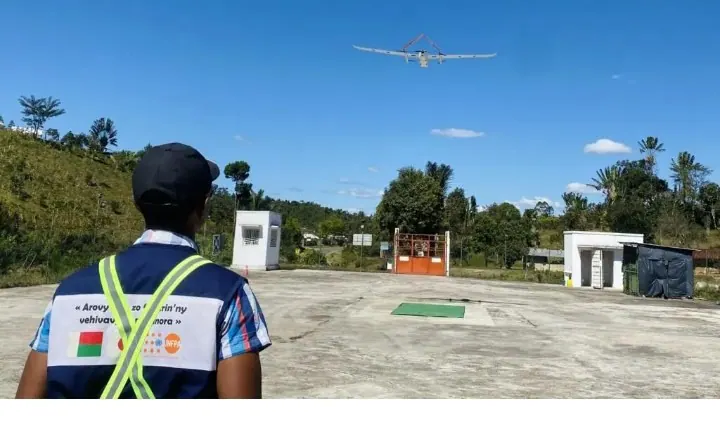
In response to the crisis, the United Nations has launched a humanitarian effort to deliver vaccines and medicine to the affected area using drone technology. The organization is working to support the local population and mitigate the impact of the epidemic. Meanwhile, non-governmental organizations (NGOs) are also providing assistance to the people of Ifanadiana, despite the logistical challenges.
According to the Ministry of Health, many of the children who died were not vaccinated and suffered from malnutrition. The ministry's efforts to contain the outbreak have been hampered by the district's remote location and limited access to healthcare. Deputy Haja Dinah expressed hope that the population will have sustained access to healthcare and medicine even after the epidemic has been brought under control.
The situation in Ifanadiana highlights the need for improved healthcare infrastructure and emergency preparedness in rural Madagascar. The government has faced criticism for its response to the crisis, with many calling for greater investment in healthcare and more effective disaster response mechanisms. The international community has pledged support for the humanitarian effort, but more needs to be done to address the root causes of the crisis.
As the situation in Ifanadiana continues to unfold, concerns are growing about the potential for further outbreaks and the impact on the local population. The Malagasy government, with the support of international partners, must work to strengthen healthcare systems and improve emergency response mechanisms to prevent similar crises in the future. The people of Ifanadiana deserve access to quality healthcare and a chance to rebuild their lives.
Key points
- 37 children have died in Madagascar's southeastern district of Ifanadiana due to a double epidemic of measles and malaria since August.