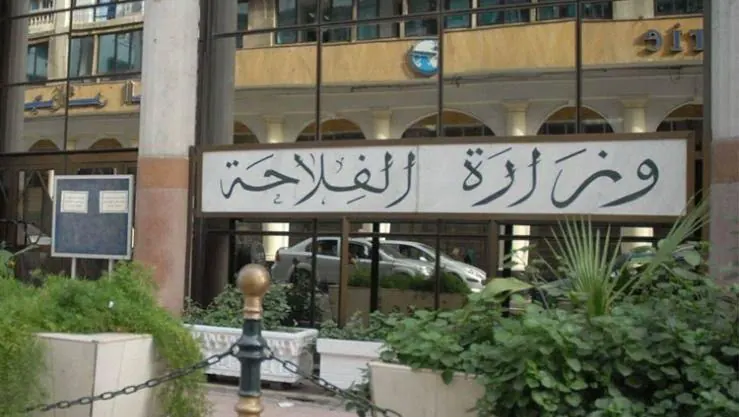
Algerian Agriculture Minister Sid Ali Khaldi emphasized on Monday in Algiers the significance of the amendment to the agricultural guidance law, ordered by President Abdelmadjid Tebboune. The amendment is expected to be a turning point for the sector, enabling it to keep pace with developments in agriculture. Khaldi made these remarks during a meeting with state-level agricultural officials to prepare for the 2026-2027 agricultural season.
The amendment to the agricultural guidance law will involve all stakeholders in the sector to keep up with changes in agriculture. Khaldi stressed that this law will be a game-changer for Algerian agriculture. At the heart of this challenge is the grain sector, which is crucial for food security and weighs heavily on the import bill. The minister highlighted the simple yet significant equation: every ton produced locally means one less ton to import, saving foreign currency and generating additional income for farmers and jobs for Algerians.
Khaldi described the goal of boosting agricultural production as a "sovereign bet" that must be won by mobilizing all available resources to support and encourage farmers to increase production and yields. He noted that Algeria has the potential to meet this challenge, with vast fertile lands, extensive farming experience, and a solid administrative and technical framework in place across the country.
The upcoming agricultural season's objectives include expanding cultivated areas for grains, introducing new wheat varieties, and preparing a national agricultural map and regional division, in line with President Tebboune's instructions. Khaldi's meeting with state-level agricultural officials aimed to prepare for the new season and ensure a successful harvest.
Algeria's agricultural sector plays a vital role in the country's economy, and efforts to boost production and reduce reliance on imports are crucial. The government has been working to support farmers and improve agricultural productivity, with a focus on strategic crops like grains. The amendment to the agricultural guidance law is expected to provide a framework for these efforts.
The Algerian government has been investing in the agricultural sector, with a focus on improving infrastructure, providing training and technical assistance to farmers, and promoting the use of modern farming techniques. These efforts aim to increase agricultural productivity, improve food security, and reduce the country's reliance on imports.
The new agricultural season is expected to build on the progress made in recent years, with a focus on sustainable agricultural practices and improving the livelihoods of farmers and rural communities. The government's efforts to support the agricultural sector are critical to achieving these goals and ensuring a food-secure future for Algeria.
Key points
- The amendment to the agricultural guidance law is expected to be a turning point for Algerian agriculture, enabling it to keep pace with developments in the sector.