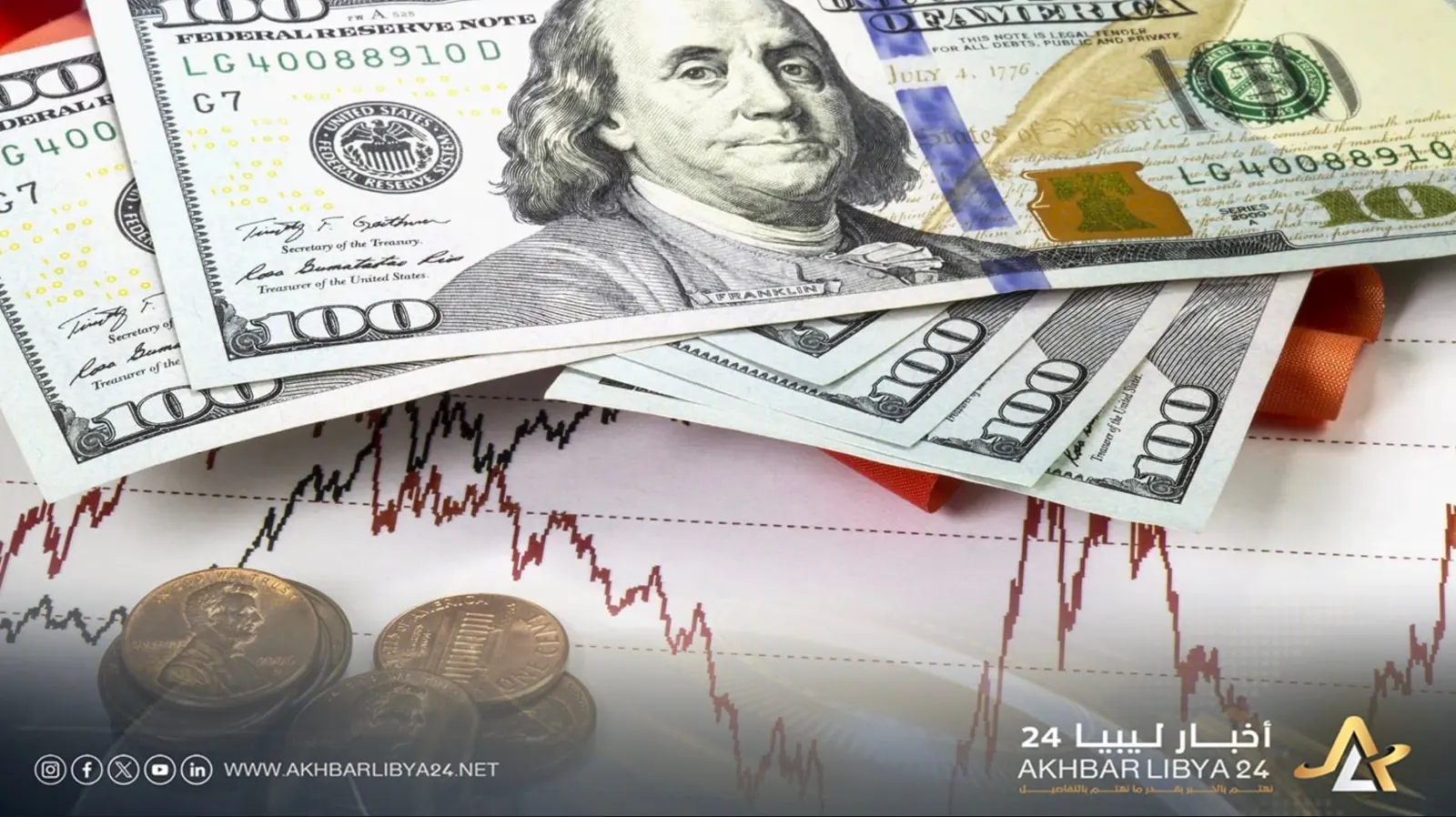
The US dollar is poised to record its second consecutive weekly gain, supported by a rise in US Treasury bond yields and increasing expectations among investors that the Federal Reserve will raise interest rates again. The dollar's strength comes as it nears its highest level in several months. According to Reuters, the dollar's gain is attributed to a shift in market expectations regarding the Federal Reserve's monetary policy.
The surge in bond yields has enhanced the dollar's appeal, with long-term US Treasury yields reaching their highest level in over 20 years. This increase has made US assets more attractive to investors, boosting demand for the dollar. Investors closely monitor bond yields as an indicator of interest rate expectations, as higher yields typically support the dollar.
Market expectations of further monetary policy tightening have grown following the Federal Reserve's interest rate hike last week, accompanied by strong economic data and statements from central bank officials indicating ongoing concerns about inflation. St. Louis Federal Reserve President Alberto Musalem stated that further rate hikes are likely necessary to control inflation.
The Federal Reserve raised its benchmark interest rate to 3.75%-4.00% in September, with policymakers' projections suggesting the possibility of another hike before the end of the year. The dollar has risen by approximately 1% over the week, reaching its highest level in two months. Despite a slight decline in Friday's trading, the dollar is on track to record consecutive weekly gains for the first time since June.
In contrast, the euro has faced increasing pressure against the dollar, falling to its lowest level in two months. The European currency briefly touched $1.1370 on Thursday before slightly recovering to $1.139 on Friday. The euro is headed for its third consecutive weekly decline, its longest losing streak since late 2025.
The British pound has also struggled, hovering near its lowest level in about three months against the dollar. The pound fell to $1.32 on Thursday, its lowest since June 29, and traded at $1.324 on Friday. It is set to record a weekly loss of around 1.2%, its worst performance since May.
Energy prices and inflation concerns have contributed to the reassessment of interest rate expectations. Ongoing geopolitical tensions affecting oil and energy supplies have raised inflation concerns, increasing pressure on central banks. Rising energy prices, combined with the strong US economic activity, have reinforced expectations of further rate hikes, supporting the dollar.
Key points
- The dollar's rise is driven by growing expectations of another Federal Reserve interest rate hike and increasing US bond yields.
- The euro and pound have faced pressure due to the dollar's strength and differing monetary policy expectations.
- Energy prices and inflation concerns continue to influence interest rate expectations and currency markets.