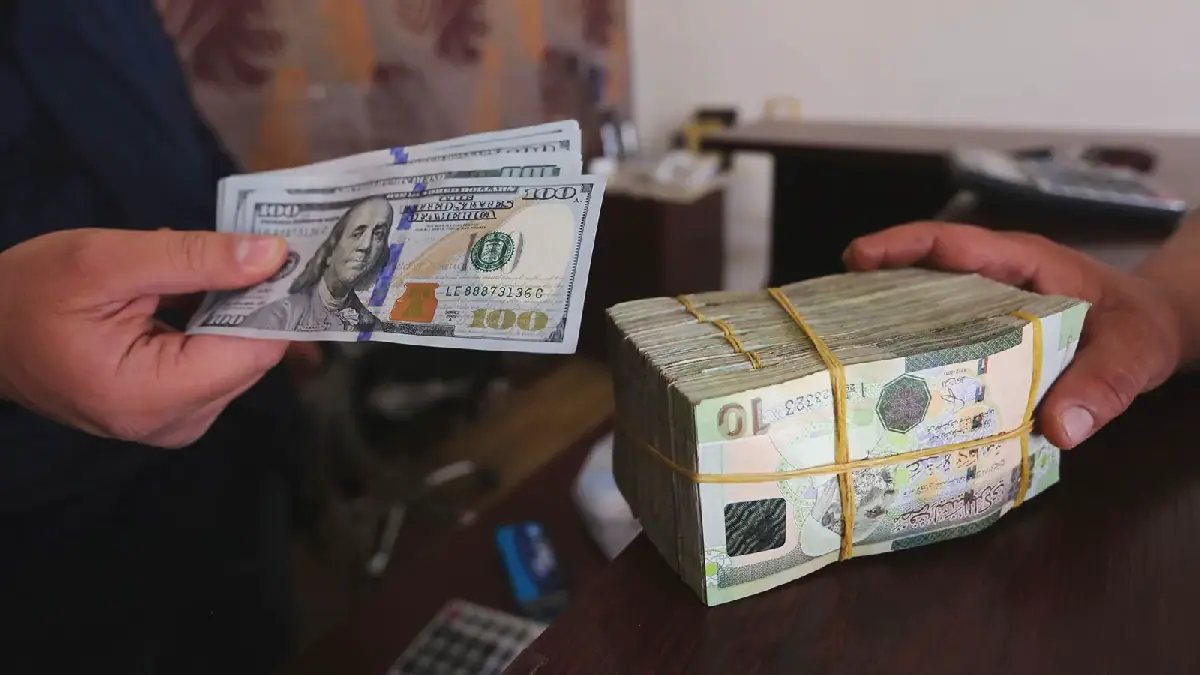
The US dollar continued to rise against the Libyan dinar in the parallel market, reaching 10.68 dinars per dollar on Friday. This marks a significant increase, with the dollar approaching its historic high of 10.88 dinars, which was recorded in February. The recent surge is part of a trend that saw the dollar reach 10.73 dinars on Thursday, before prices fluctuated between 10.65 and 10.67 dinars.
According to data from the Tripoli market, the dollar closed at 10.69 dinars on Friday, up from 10.63 dinars the previous day. The ongoing rise in the dollar's value has been observed amid recent changes at the Central Bank of Libya. The bank's governor, Naji Issa, resigned and was replaced by Fawzi Mabrook Abu Khzam on November 2, with the handover process completed on November 8.
The increase in the dollar's value comes after a report by the French website Africa Intelligence on November 6. The report stated that the US Treasury and Federal Reserve suspended dollar transactions with the Central Bank of Libya following the change in leadership. The suspension was reportedly due to concerns over the transfer of power and the bank's legal status.
Libyan media outlets have covered the report, although there has been no official confirmation from the US side regarding the suspension. The development has added to the uncertainty surrounding the country's financial situation. The Central Bank of Libya plays a crucial role in managing the country's economy, and any disruptions to its operations can have significant impacts.
The parallel market has become an essential platform for Libyans to exchange currencies, given the scarcity of dollars in the official market. The recent surge in the dollar's value has raised concerns about the potential impact on the country's economy, particularly for importers and businesses that rely on dollar-denominated transactions.
The situation is being closely watched by economic analysts and policymakers, who are concerned about the potential consequences of the dollar's rise. The Libyan economy has faced significant challenges in recent years, including a decline in oil production and a shortage of foreign currency. The country's reliance on imports has also increased, making it vulnerable to fluctuations in the exchange rate.
As the situation continues to unfold, the Central Bank of Libya will likely play a crucial role in determining the future course of the economy. The bank's new leadership will need to navigate the complex challenges facing the country and work to stabilize the exchange rate. The international community is also likely to be closely monitoring the situation, given the potential implications for regional economic stability.
Key points
- The dollar's rise to 10.68 dinars in the parallel market has raised concerns about the potential impact on Libya's economy.
- The US Treasury and Federal Reserve have reportedly suspended dollar transactions with the Central Bank of Libya.
- The country's economy has faced significant challenges in recent years, including a decline in oil production and a shortage of foreign currency.
Reporting sources
- بـ10.70.. الدولار يقترب من كسر حاجزه التاريخي أمام الدينار · Libya Al Ahrar TV