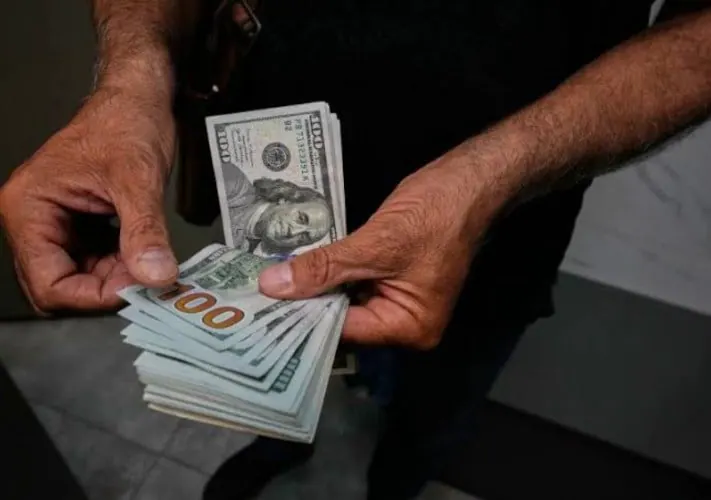
The dollar index, which measures the US currency's performance against six major currencies, rose 0.24% to 100.79. This increase is attributed to investors expecting the US Federal Reserve to continue raising interest rates to combat inflation. The euro fell 0.25% to $1.142, its lowest level since late July, while the British pound declined 0.3% to $1.3305. These movements reflect the market's focus on US monetary policy and its potential impact on global currencies.
Expectations of further interest rate hikes in the US have become a key driver for the currency market. Several Federal Reserve officials have indicated that they may continue to tighten monetary policy if inflation does not slow down sufficiently. According to Francesco Pesoli, a strategist at ING, the Federal Reserve's hawkish stance is currently supporting demand for the dollar. This perspective has contributed to the dollar's recent gains.
Oil prices, which have a significant impact on inflation and interest rates, have also influenced the currency market. Brent crude oil rose to over $99 per barrel, ending a five-session losing streak. This increase is driven by hopes that diplomatic efforts at the United Nations may lead to a resolution to the conflict in the Middle East. Since the conflict began in late February, Brent has risen 37%, while actual oil prices have increased by at least 75% in Europe and 40% in the US.
Despite the recent decline in oil prices from their peak, refined product prices remain high. Diesel prices have reached record levels in the US and multi-year highs in Europe, continuing to pressure transportation costs and inflation. The ongoing conflict and its impact on oil prices will likely remain a key factor in determining the trajectory of inflation and interest rates.
In Japan, the yen stabilized at 157.8 yen per dollar, with concerns about potential intervention by authorities to support the currency. The Bank of Japan raised interest rates to a 31-year high last week but did not provide clear signals for further increases. Market participants are closely watching the 160 yen per dollar level as a potential pressure point.
The Japanese yen's performance is also influenced by the country's economic policies and global events. The Bank of Japan's decision to raise interest rates has had a limited impact on the yen's value, and investors are now focused on the potential for future policy changes. Meanwhile, the US dollar's strength is expected to continue, driven by the Federal Reserve's hawkish stance.
The upcoming meeting between US President Donald Trump and Chinese President Xi Jinping will also be closely watched for its potential impact on the global economy and currency markets. The meeting may provide insights into the future of US-China economic relations and could influence the value of the dollar and other currencies.
Key points
- The dollar's rise is driven by expectations of continued US monetary policy tightening.
- Oil prices remain a key factor in determining inflation and interest rates.
- The yen's performance is influenced by Japan's economic policies and global events.