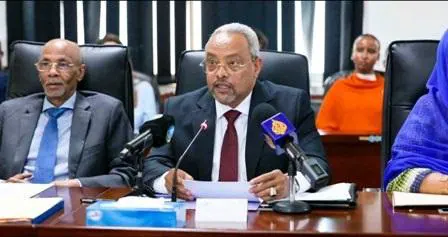
The government of Djibouti and UN agencies in the country held a meeting with diplomatic missions, technical and financial partners on Wednesday to discuss the situation in the Abkh area and mobilize further international support for the ongoing response. The meeting was organized by the Ministry of Foreign Affairs and International Cooperation, in collaboration with the Ministry of Interior, and in partnership with the UN Resident Coordinator's Office and the UN High Commissioner for Refugees.
Since the recent escalation of conflict in Yemen, over 2,776 people have arrived in the Abkh area, with numbers continuing to rise as new arrivals are recorded. The Djiboutian authorities have been working to receive and register the new arrivals, assessing their needs and providing them with necessary assistance. The authorities have also been providing emergency assistance, including food, water, shelter, and medical care.
The Djiboutian government has been working closely with UN agencies and other partners to respond to the growing needs of the refugees. The government has deployed various national and local authorities to support the response efforts, with the coast guard playing a key role in search and rescue operations at sea. In Abkh, new arrivals are being directed to a central camp where they receive assistance, including food, shelter, and medical care.
Despite the efforts of the national authorities, local communities, and humanitarian partners, the rapid influx of refugees is putting significant pressure on available resources. There is a need for additional resources to maintain and enhance the response efforts, as the number of new arrivals continues to grow. The government and UN agencies have identified key priorities, including shelter, water, sanitation, food, medical care, and protection.
The Minister of Foreign Affairs and International Cooperation, Abdoul Kader Hussein Omar, emphasized the importance of international solidarity in supporting Djibouti's efforts to respond to the refugee crisis. He called on partners and donors to enhance their support to address the immediate needs of the refugees and host communities. The UN Resident Coordinator, Jose Barahona, also stressed the need for rapid and flexible support from partners to enable an effective response.
The government of Djibouti and the UN have reaffirmed their commitment to a coordinated response to the refugee crisis, focusing on the needs of the affected populations. They have called on the international community to support these efforts, emphasizing the importance of solidarity and burden-sharing in addressing the crisis. The response efforts aim to provide a comprehensive package of assistance, including protection, shelter, food, and medical care.
The situation in Djibouti highlights the need for a collective response to the refugee crisis in the region. With the continued influx of refugees from Yemen, Djibouti requires sustained support from the international community to address the growing needs of the affected populations. The government and UN agencies will continue to work together to mobilize resources and coordinate response efforts to address the crisis.
Key points
- Djibouti and the UN have called for international solidarity to address the growing influx of refugees from Yemen.
- Over 2,776 people have arrived in Djibouti's Abkh area as of September 16, with numbers continuing to rise.
- The response efforts require additional resources to maintain and enhance the provision of assistance, including shelter, water, sanitation, food, medical care, and protection.