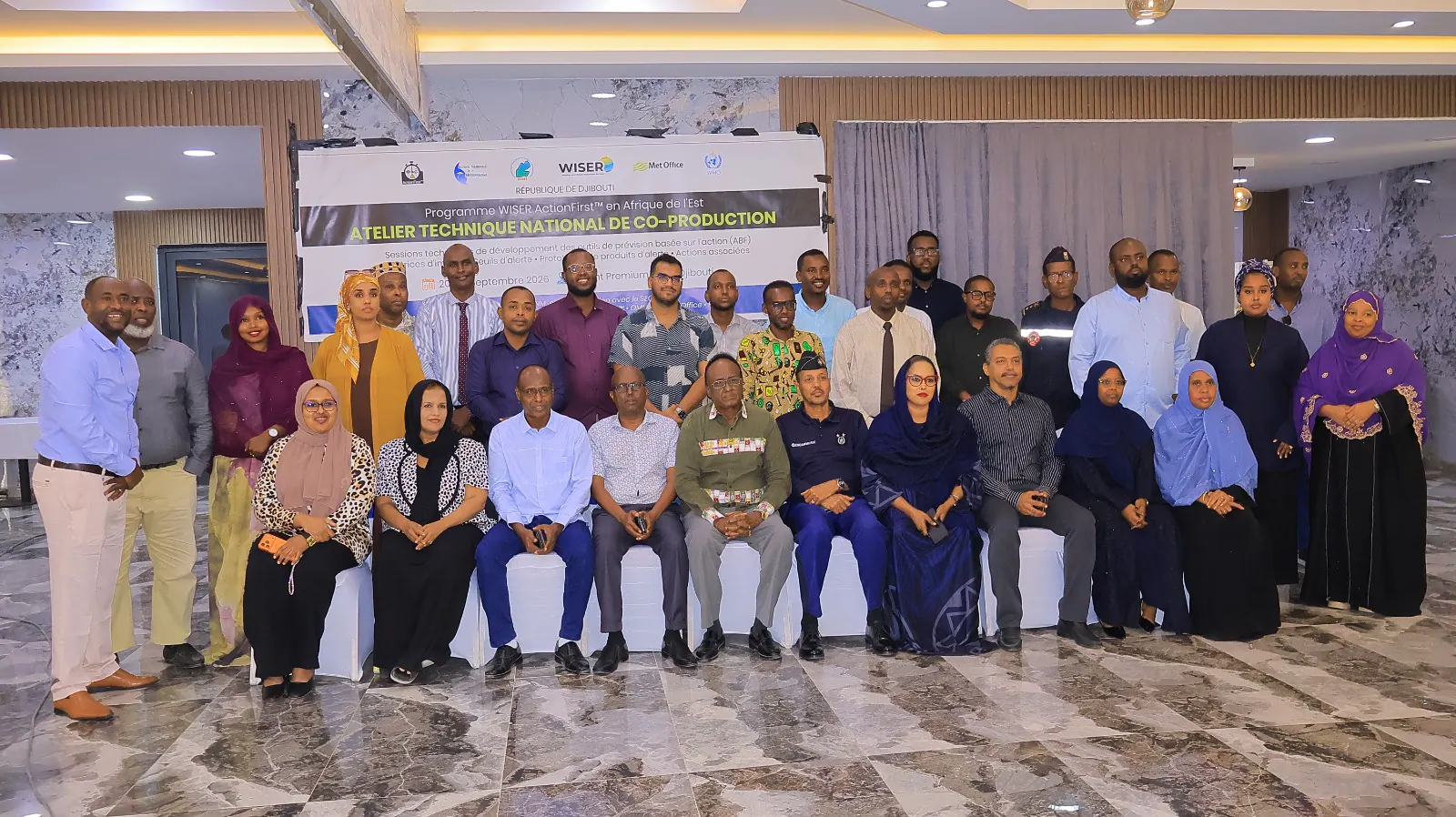
The government of Djibouti has taken a proactive approach to mitigating the impact of climate-related disasters. On September 20, 2026, the National Meteorological Agency (ANM) and the Executive Secretariat for Risk and Disaster Management (SEGRC) jointly opened a national technical workshop. The workshop, held at the Premium Hotel, focuses on "Action-Based Forecasting" (ABF) to better anticipate and prepare for extreme weather and climate events. Various concerned institutions are participating in the event.
The workshop aims to address a range of hazards that threaten the country, including floods, heavy rainfall, heatwaves, droughts, and strong winds. The goal is to move beyond simple weather forecasting and provide actionable information to stakeholders. According to a participant, the initiative involves developing "hazard-impact" tables, setting alert thresholds, and establishing operational procedures. These documents will outline the responsibilities of each actor and coordination mechanisms to enable swift action before disasters strike.
The ANM and SEGRC are working with international partners to support the development of Djibouti's early warning system. The workshop is backed by the WISER ActionFirst program, the World Meteorological Organization (WMO), the UK Met Office, and the UK's Foreign, Commonwealth and Development Office (FCDO). The initiative prioritizes the needs of vulnerable populations and adheres to the principles of Gender, Disability, and Social Inclusion (GEDSI).
The workshop brings together experts from various institutions to share knowledge and expertise. Participants are working to develop a more effective and context-specific early warning system for Djibouti. The system aims to facilitate rapid and coordinated interventions to protect populations and minimize the impact of climate-related disasters.
The proactive approach to climate disaster prevention is part of Djibouti's broader strategy to enhance resilience and reduce vulnerability. By investing in early warning systems and disaster risk management, the government aims to safeguard the country's development and protect its citizens from the impacts of climate change.
The launch of the workshop demonstrates Djibouti's commitment to addressing the challenges posed by climate change. The country's efforts to develop a robust early warning system are expected to have a positive impact on the lives of its citizens and contribute to regional and global efforts to build resilience to climate-related disasters.
As the workshop progresses, participants are expected to make significant progress in developing a comprehensive early warning system. The system will enable Djibouti to respond more effectively to climate-related disasters and minimize the risks associated with extreme weather events. The country's experience will also serve as a model for other nations seeking to enhance their resilience to climate change.
Key points
- Djibouti has launched a national technical workshop to develop a more effective early warning system for climate-related disasters.
- The workshop focuses on "Action-Based Forecasting" to provide actionable information to stakeholders and enable swift action before disasters strike.
- The initiative prioritizes the needs of vulnerable populations and adheres to the principles of Gender, Disability, and Social Inclusion (GEDSI).