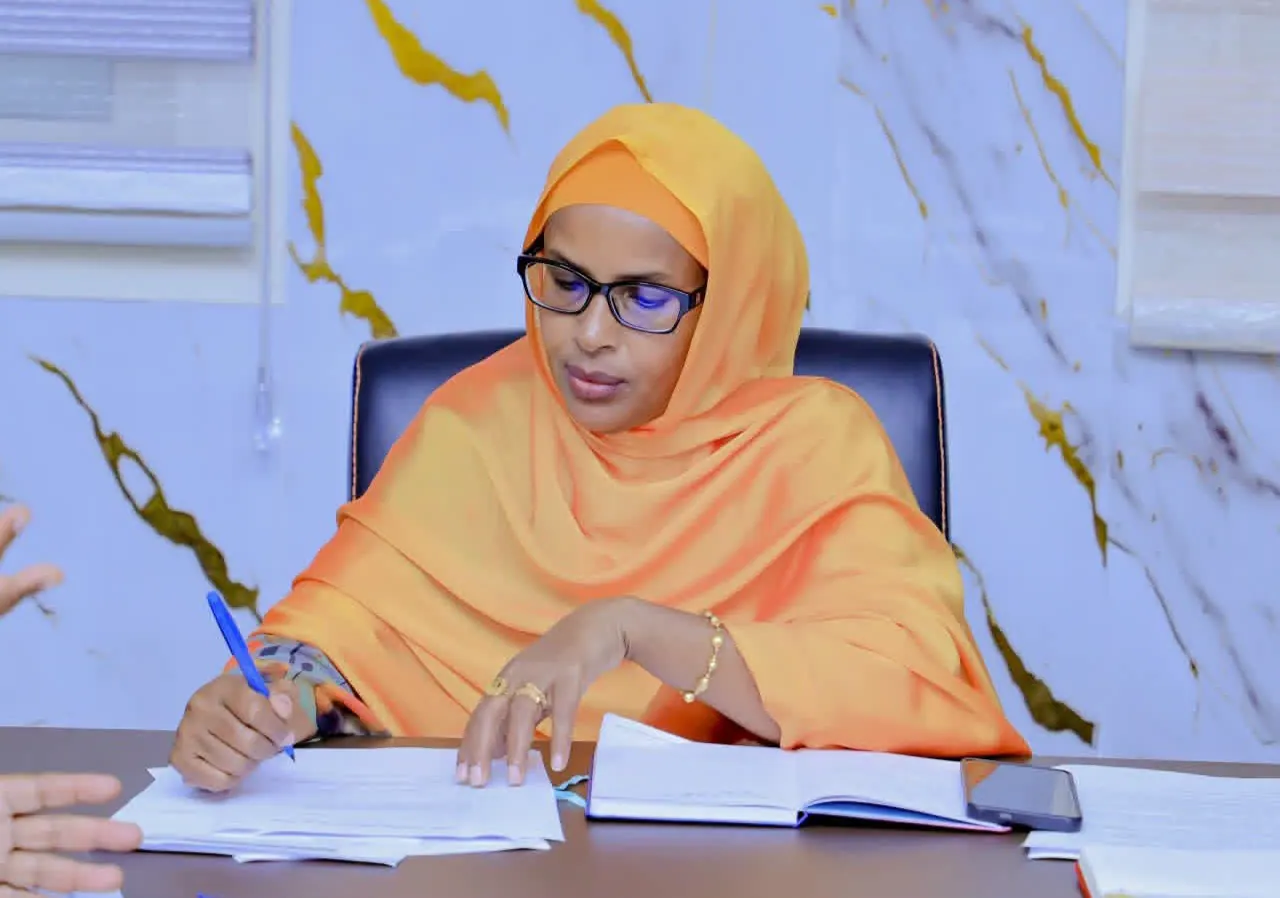
The National Cultural Heritage Commission of Djibouti recently held a meeting under the chairmanship of Minister of Youth and Culture, Fardouza Moussa Egueh. The session, which took place at the ministry's headquarters, brought together representatives from various government departments, institutions, and member organizations. Minister Egueh emphasized the commission's crucial role in protecting and promoting Djibouti's cultural heritage. The meeting aimed to reactivate the commission's strategic plan for safeguarding the nation's cultural legacy.
The meeting was led by Principal Advisor Idriss Moussa Ahmed, who highlighted the commission's transversal nature and the need to make it fully operational. To achieve this goal, the ministry has requested the creation of two budget lines in the upcoming national budget rectification: one for the Abourma rock art site and the other for the commission's functioning. This move is expected to provide the necessary resources for the commission to effectively carry out its responsibilities.
A significant portion of the discussions focused on the Abourma site, which is a key cultural heritage location in Djibouti. A technical evaluation mission from ICOMOS, the UNESCO advisory body, is scheduled to visit the site in October as part of the process for inscribing it on the World Heritage List. The participants received a proposed internal regulation, a set of legal texts related to cultural heritage, and the complete file and management plan for the Abourma site.
The National Cultural Heritage Commission plays a vital role in preserving Djibouti's rich cultural diversity. The commission's efforts are crucial in protecting the nation's cultural heritage, which is an essential part of Djibouti's identity and history. The meeting demonstrated the government's commitment to promoting and safeguarding the country's cultural legacy.
Djibouti has made significant progress in recent years in preserving its cultural heritage. The country was recently re-elected to the UNESCO Intergovernmental Committee for the Safeguarding of Intangible Cultural Heritage for a second term. This achievement demonstrates Djibouti's dedication to protecting its cultural heritage and promoting cultural diversity.
The meeting of the National Cultural Heritage Commission is part of a broader effort to promote cultural development in Djibouti. The country is home to a rich cultural heritage, with a unique blend of African, Arab, and French influences. The commission's work is essential in preserving this cultural legacy for future generations.
The government of Djibouti has demonstrated its commitment to promoting cultural development and preserving the nation's cultural heritage. The meeting of the National Cultural Heritage Commission is a significant step towards achieving this goal. The commission's efforts will help to safeguard Djibouti's cultural legacy and promote cultural diversity.
Key points
- The National Cultural Heritage Commission of Djibouti aims to make the commission fully operational to effectively preserve the nation's cultural heritage.