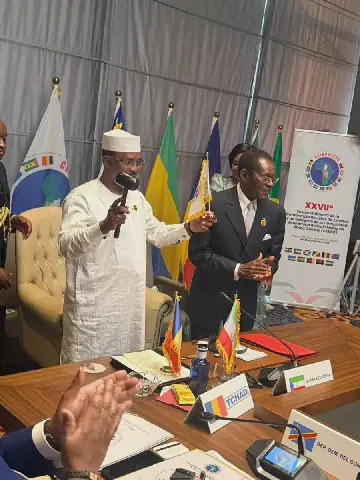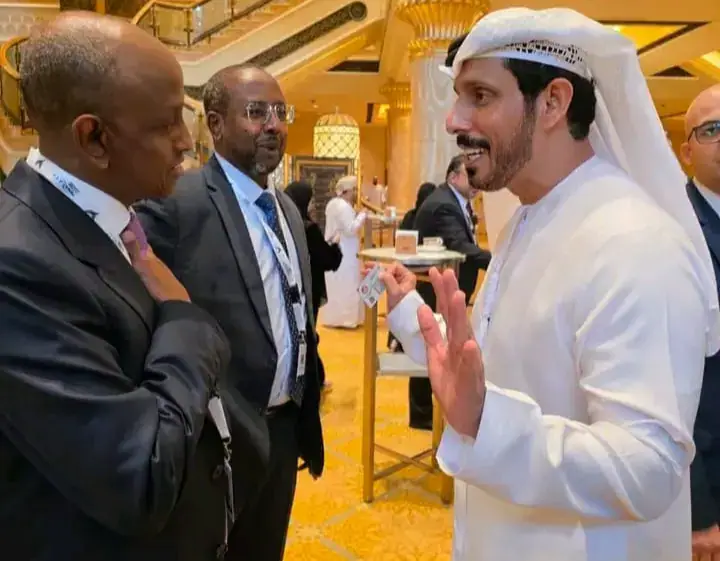
Djibouti has obtained the unanimous adoption of its national report on combating money laundering and terrorist financing by the Middle East and North Africa Financial Action Task Force (GAFIMOAN). The report was validated on the final day of the organization's 43rd plenary meeting, held in Abu Dhabi. This development is a significant outcome for Djibouti, which has been working to strengthen its legal, institutional, and operational framework to combat financial crimes.
The GAFIMOAN member countries praised Djibouti's efforts to enhance its anti-money laundering and counter-terrorist financing regime. They noted the country's progress in implementing reforms, improving coordination among authorities, and mobilizing national stakeholders. The Djiboutian delegation, led by Interior Minister Omar Abdi Said, included high-level officials such as the Governor of the Central Bank, the President's legal advisor, and the head of the National Technical Committee.
The adoption of the report demonstrates Djibouti's commitment to aligning its national framework with the standards set by the Financial Action Task Force (FATF), the intergovernmental body that establishes global standards for combating financial crimes. The evaluation process examined both Djibouti's laws and their practical implementation. A country deemed insufficient in this regard may be placed under enhanced surveillance, which can impact its relationships with foreign banks and ability to attract investors.
The outcome is particularly significant for Djibouti, which has established itself as a major port and logistics hub. Located at the mouth of the Red Sea, opposite Yemen, and near Somalia, the country is vulnerable to illicit financial flows. By strengthening its anti-money laundering and counter-terrorist financing regime, Djibouti aims to protect the integrity of its financial system and enhance regional and international cooperation.
The GAFIMOAN, established in 2004 and based in Manama, Bahrain, is a regional body associated with the FATF. It regularly evaluates the anti-money laundering and counter-terrorist financing regimes of its member states. Djibouti's successful evaluation reflects its efforts to address the challenges posed by its strategic location and to demonstrate its commitment to combating financial crimes.
The Djiboutian delegation's coordinator, Djama Souleiman, expressed gratitude to the GAFIMOAN secretariat for its support and evaluation. He also assured that Djibouti will continue to consolidate its anti-money laundering and counter-terrorist financing regime. This commitment is essential for maintaining the country's reputation as a reliable and secure hub for international trade and investment.
The adoption of Djibouti's report by GAFIMOAN is a positive development for the country's economy and international relationships. It highlights Djibouti's proactive approach to addressing the risks associated with money laundering and terrorist financing. By maintaining a robust anti-money laundering and counter-terrorist financing regime, Djibouti can continue to attract foreign investment and foster economic growth.
Key points
- Djibouti's report was adopted unanimously by GAFIMOAN, demonstrating the country's commitment to combating financial crimes.
- The evaluation process examined Djibouti's laws and their practical implementation, highlighting areas for improvement.
- The adoption of the report enhances Djibouti's reputation as a reliable and secure hub for international trade and investment.
Reporting sources
- Djibouti obtient l'adoption de son rapport anti-blanchiment par le GAFIMOAN · agence djiboutienne d'information