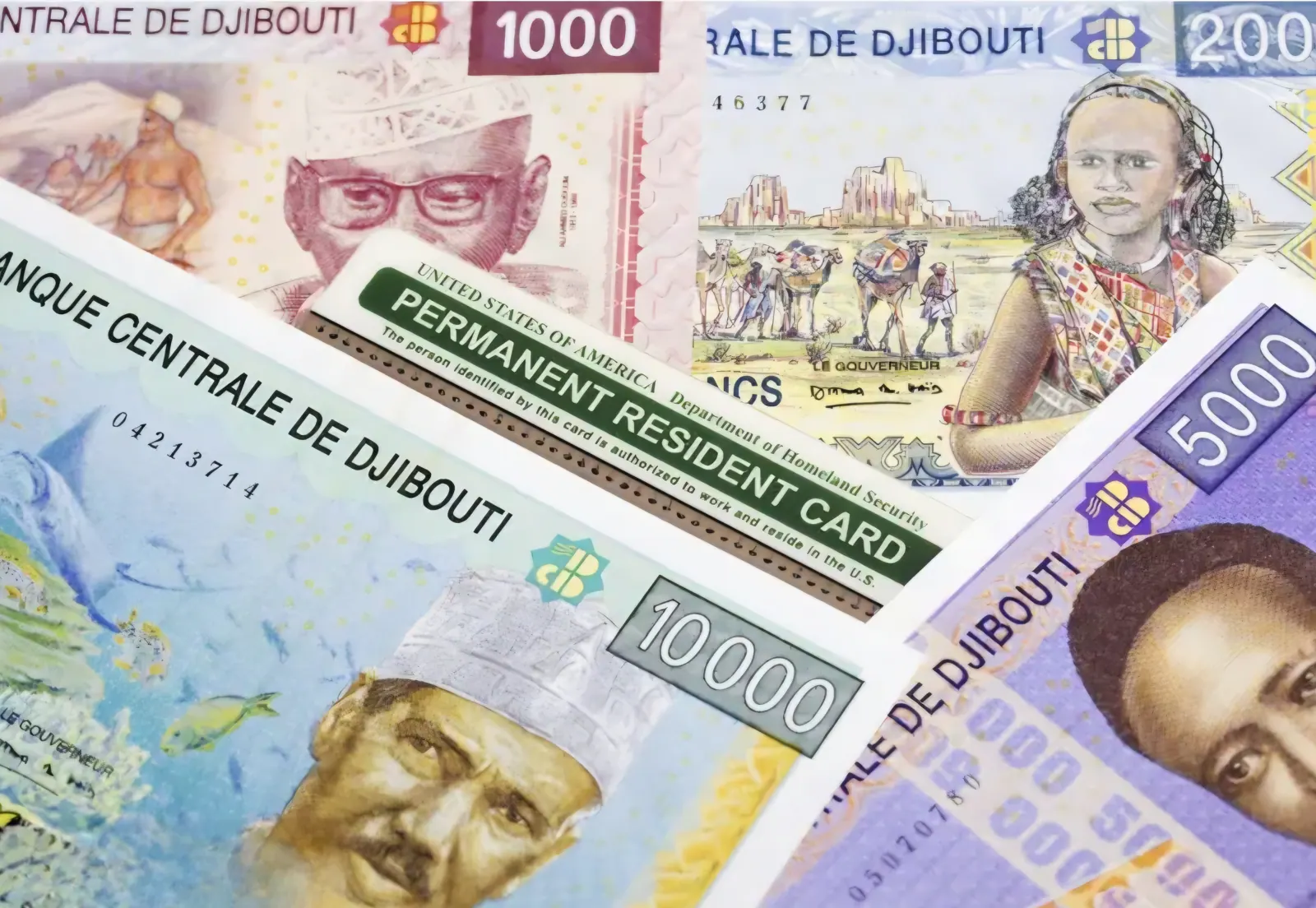
Djibouti has emerged as the top country in Africa for the highest net salaries, according to a recent report by LiveGDP. The ranking is based on the average monthly net income received by employees after deducting taxes and statutory deductions. This report highlights substantial disparities in salaries across the African continent. The study considered various factors, including the level of economic growth, qualification of the workforce, and the weight of key sectors in each country.
The LiveGDP report emphasizes that the differences in salaries are primarily due to the level of growth in each economy, the qualification of the workforce, and the significance of key sectors. The role of trade unions is also cited as a contributing factor. Furthermore, the report notes that workers' income is influenced by tax pressure, inflation, the exchange rate of the national currency, and employment prospects specific to each country. These factors collectively contribute to the variations in net salaries across Africa.
Djibouti's top ranking in the net salary standings reflects its strong economic performance and favorable employment conditions. The country's strategic location and development of key sectors, such as ports and free zones, contribute to its high ranking. Additionally, the government's policies and the active role of trade unions in advocating for workers' rights have played a significant part in securing higher net salaries for employees.
In contrast, Kenya, another major economic player in the region, ranks 10th out of 54 African countries compared in terms of average monthly net salary after taxes. This disparity highlights the differences in economic conditions, sectoral development, and employment policies between the two countries. Kenya's lower ranking suggests that it faces challenges in providing higher net salaries to its workforce compared to Djibouti.
The LiveGDP report provides valuable insights into the economic and employment landscape across Africa. By highlighting the factors that influence net salaries, the report offers a comprehensive understanding of the challenges and opportunities facing workers on the continent. This information can help policymakers and stakeholders develop strategies to improve employment conditions and increase net salaries for workers.
Djibouti's achievement in leading the African net salary rankings is likely to have positive implications for its economy and workforce. Higher net salaries can lead to increased consumer spending, improved living standards, and enhanced economic growth. The government's continued efforts to promote economic development and protect workers' rights will be crucial in sustaining this positive trend.
The report's findings have significant implications for African countries seeking to improve their economic and employment outcomes. By understanding the factors that contribute to higher net salaries, governments and policymakers can develop targeted strategies to enhance employment conditions and increase workers' incomes. This, in turn, can lead to improved living standards, economic growth, and increased competitiveness on the global stage.
Key points
- Djibouti leads Africa in net salary rankings due to its strong economic performance and favorable employment conditions.