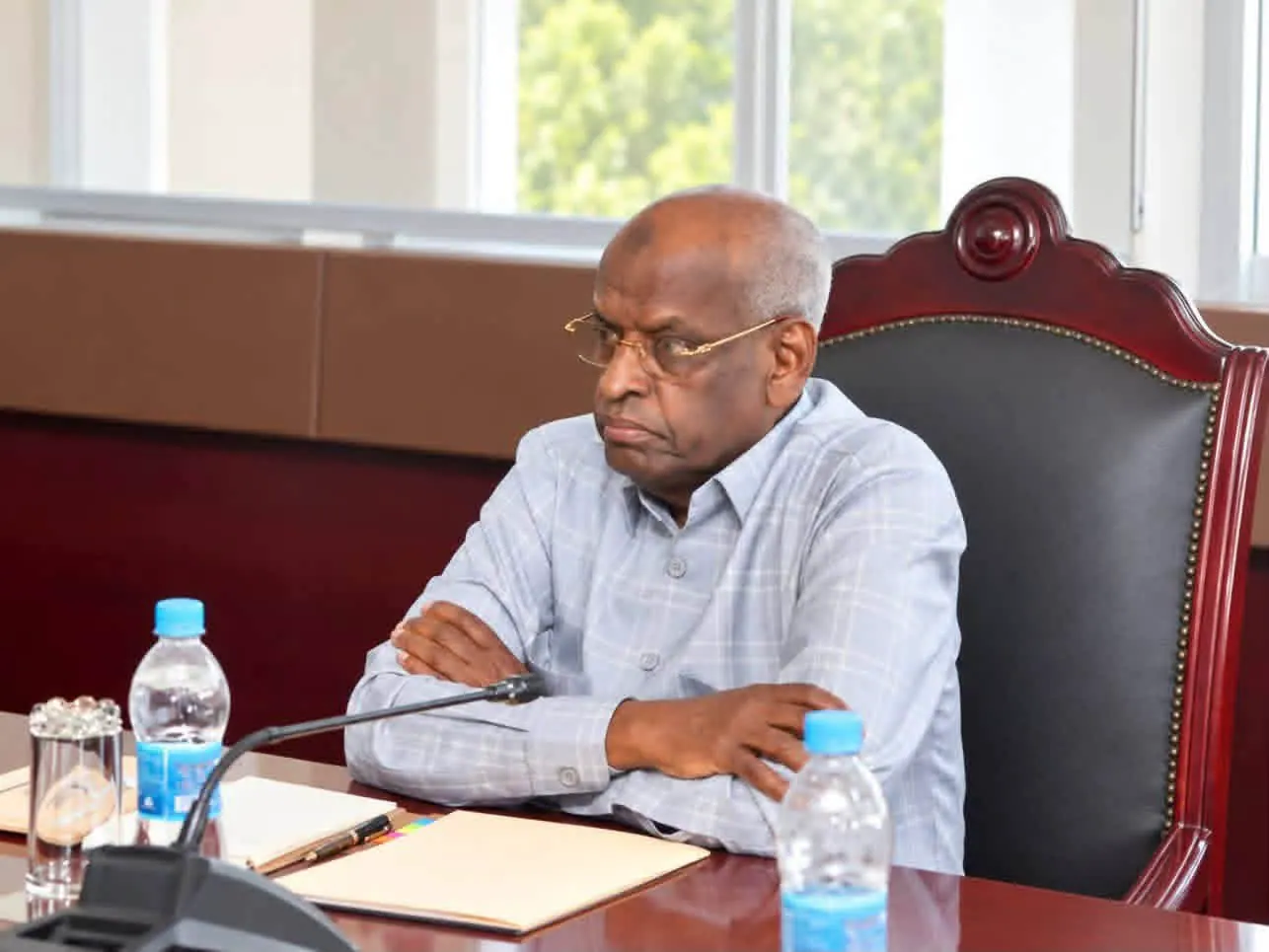
On September 20, 2026, Djibouti's Prime Minister Abdoulkader Kamil Mohamed led a coordination meeting to address the humanitarian situation in the northern region of Obock. The meeting comes as new Yemeni refugees arrive in the area, specifically in Godoria and Moulhoulé. The Prime Minister announced plans to adapt the reception system, particularly at the Markazi site, to ensure a dignified, organized, and secure response for the affected populations.
According to a statement on his Facebook page, the Prime Minister gave clear instructions to all involved ministries and institutions. He stressed the need for seamless coordination between state services and international partners, including the UNHCR, ICRC, IOM, WHO, and Qatar Charity. The Prime Minister emphasized that effectiveness in this situation requires unity of action, clear responsibilities, and mobilization of all parties.
The Prime Minister highlighted Djibouti's tradition of hospitality, citing the country's history of responding to global challenges. He noted that Djibouti has consistently demonstrated its ability to cope with crises. In this context, he emphasized that a nation's greatness is also measured by its capacity to protect its people.
The new refugees in Obock are in addition to existing populations in the region. The ICRC has been actively engaged in the area, recently meeting with local authorities in Holl-Holl to discuss the situation of migrants. Meanwhile, SOS Villages d'Enfants has provided emergency assistance to children who have arrived from Yemen.
The humanitarian response in Djibouti is multifaceted, with various organizations playing a role. The government is working closely with international partners to provide a comprehensive response. Qatar Charity is one of the organizations involved in the effort to support refugees and affected communities.
Djibouti's experience in responding to humanitarian crises is part of a broader regional and global context. The country is not alone in facing such challenges, and its response is being watched by other nations. The Prime Minister's emphasis on coordination and protection reflects the complexities of modern humanitarian crises.
As the situation in Obock continues to evolve, the government and its partners are working to ensure a robust response. The Prime Minister's statement underscores the importance of a unified and effective approach to addressing the needs of refugees and host communities. The response will likely have implications for the region and the global community.
Key points
- Djibouti's Prime Minister Abdoulkader Kamil Mohamed chairs meeting on refugee situation
- Government adapts reception system to address humanitarian crisis
- International coordination and protection emphasized as key priorities