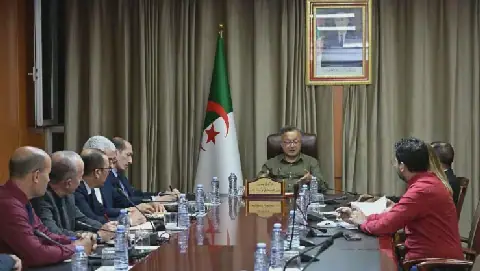
The city of Dikhil recently hosted the second regional colloquium on public procurement, focusing on integrity and transparency in the allocation of public funds. The Commission nationale indépendante pour la prévention et la lutte contre la corruption (CNIPLC) presented its control and prevention mechanisms to combat corruption, while participants advocated for more independent institutions, better-regulated procedures, and effective sanctions. The event aimed to address the risks of favoritism, conflicts of interest, and embezzlement of public funds.
The CNIPLC's president, Mme Badria Zakaria Cheikh Ibrahim, stressed the importance of bringing reforms closer to the actors who implement them. The colloquium built on a previous edition held in Tadjourah in 2024 and sought to anchor transparency in administrative practices across the national territory. According to the CNMP's 2025 activity report, public procurement contracts amounted to 28.6 billion Djibouti francs, representing approximately 3.5% of the country's GDP. These resources fund essential infrastructure and services, such as roads, schools, and healthcare facilities.
Corruption can occur at various stages of the procurement process, from defining needs to awarding contracts. The CNIPLC highlighted the need for vigilance in monitoring public funds to ensure they are used efficiently and effectively. To mitigate these risks, the commission advocates for greater transparency, traceability of decisions, separation of responsibilities, and digitalization of procedures. The deployment of e-procurement systems aims to facilitate access to information and promote equal treatment among bidders.
The CNIPLC has developed a protocol for monitoring compliance and rating public administrations, based on articles 22 and 23 of Law No. 103/AN/24. This pilot phase focuses on prevention and support, identifying vulnerabilities, helping administrations comply with regulations, and measuring progress. Several indicators will assess practices in public procurement, including the use of direct contracts, number of amendments, and concentration of contracts among a few suppliers.
To promote a culture of integrity, the CNIPLC has launched various initiatives, including training and awareness-raising sessions, codes of conduct against corruption, and accessible and secure reporting mechanisms. The commission has also engaged with the general public through TV sketches, school interventions, workshops for public agents, and awareness campaigns. Participants at the colloquium emphasized the role of families, schools, and education in promoting civic values, particularly among young people.
The discussions also highlighted the importance of effective sanctions and independent controls. Offenses such as favoritism, corruption, and embezzlement of public funds carry prison sentences of 5 to 10 years, which can increase to 15 years for high-ranking public officials. The legislation provides for the nullity of contracts obtained through corrupt means and the definitive exclusion of guilty companies. However, participants stressed the need to make these provisions fully effective.
Recommendations from the colloquium include the creation of an independent body responsible for state tenders, composed of specialists recruited based on their expertise and directly linked to the CNMP. Other proposals involve setting up a central purchasing commission, similar to existing systems in Mali and Senegal, and separating functions between buyers and evaluators. These measures aim to strengthen the integrity and transparency of public procurement in Djibouti.
Key points
- The CNIPLC and CNMP are working together to combat corruption in public procurement, with a focus on transparency and accountability in the allocation of 28.6 billion Djibouti francs.