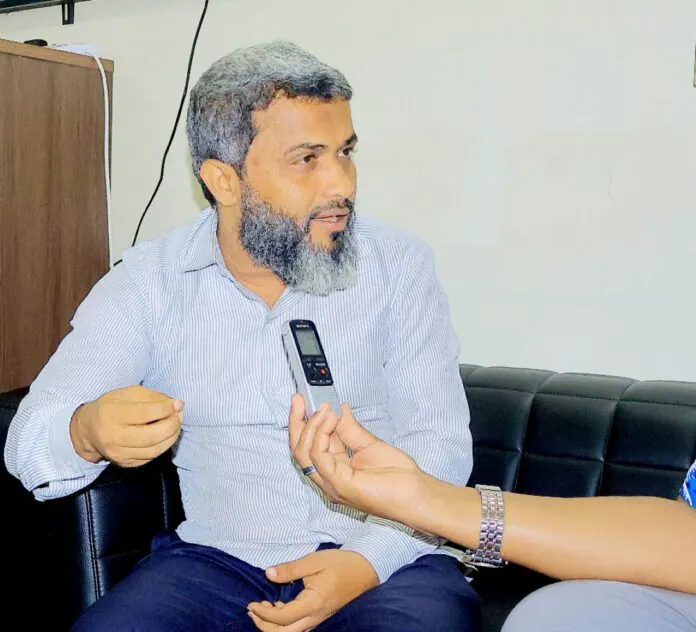
The National Public Health Institute of Djibouti (INSPD) has initiated a new phase in its fight against mosquitoes and vector-borne diseases. Under the leadership of Dr. Maad Nasser Mohamed, the institute is adopting a multisectoral strategy focusing on eliminating breeding sites, sanitation, and community mobilization. This approach aims to prevent mosquito proliferation by targeting the source rather than relying solely on insecticide spraying.
According to Dr. Maad Nasser Mohamed, the situation with mosquitoes and the diseases they transmit was alarming last year, prompting a crisis meeting with various stakeholders. Although the current situation is more under control, the institute remains vigilant, as the approaching winter season creates ideal conditions for mosquito breeding. The minister of health, Mouna Osman Aden, has set a goal to make 2026-2027 a mosquito-free year, which the institute is working towards.
The INSPD has shifted its strategy from solely relying on insecticide spraying to targeting mosquito breeding sites. This approach involves destroying potential breeding sites such as stagnant water, uncovered latrines, and discarded tires. While this method is more labor-intensive, it offers a more sustainable solution. Insecticide spraying will still be used as a complementary measure when necessary.
Dr. Maad Nasser Mohamed identifies individualism and climate change as significant obstacles to this campaign. He emphasizes that collective action is essential, as mosquitoes can easily spread from one household to another. The institute is working with local communities, prefectures, and other stakeholders to ensure a coordinated effort.
The INSPD has secured support from various partners, including the CNSS and the UNFD, which will aid in mobilizing communities and supervising local actions. The institute plans to train young volunteers to identify and treat mosquito breeding sites in each neighborhood. This collaborative approach aims to make the campaign a community-led effort.
To engage citizens, the institute will conduct door-to-door operations, educating families on the importance of their involvement. The goal is to empower citizens to take ownership of the campaign and become active participants in protecting their communities. Dr. Maad Nasser Mohamed stresses that the health and well-being of the population depend on collective action.
The effects of the campaign are already being observed, with some areas reporting a decrease in mosquito populations and malaria cases. While there is no specific timeline for measuring the campaign's success, the institute is committed to creating a healthier environment and sustainably reducing risks associated with mosquito-borne diseases.
Key points
- The campaign aims to make 2026-2027 a mosquito-free year in Djibouti.
- The INSPD is targeting mosquito breeding sites rather than relying solely on insecticide spraying.
- The campaign involves a multisectoral approach, engaging various stakeholders and communities in the effort to eliminate mosquitoes.