In the rural community of Bayani, located in Ntcheu District, Malawi, young people are facing significant challenges in accessing education and healthcare. The nearest secondary school is over 30 kilometers away, making it difficult for students to continue their education. Many students, like 16-year-old Martha Adrian, are forced to live away from home to attend school, putting them under immense pressure to survive. With limited financial support from their subsistence-farming parents, Martha was forced to enter a relationship with a kabaza operator and later became pregnant.
The absence of a nearby school in Bayani has a profound impact on children's expectations and opportunities. According to Group Village Head Mdzawira, many children in the community reach Standard 7 and 8 knowing that they are about to finish school, as there are no nearby secondary schools. This limited access to education increases the vulnerability of girls to child marriage, teenage pregnancy, and economic dependence. The situation is further exacerbated by the limited capacity of Bayani Health Centre, which does not offer some essential services, including certain family-planning methods.
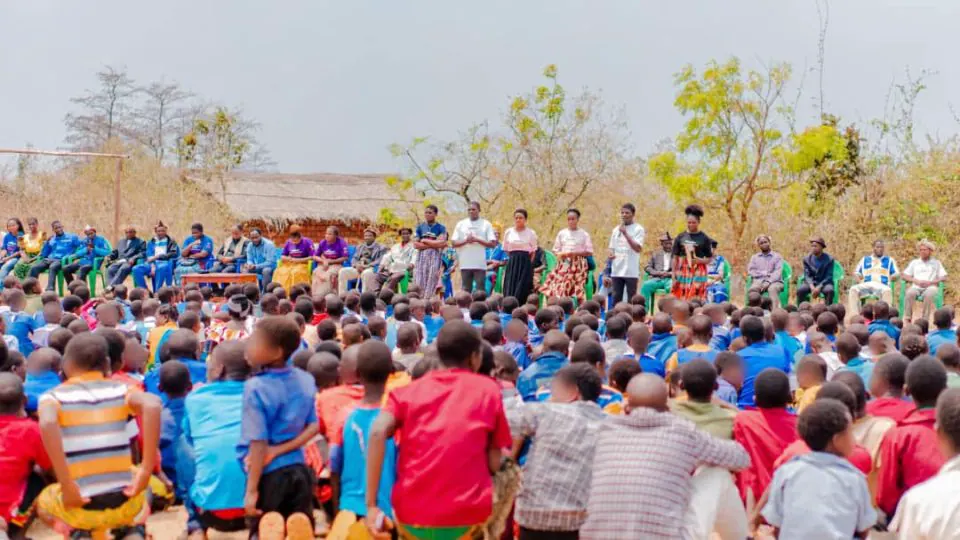
To address these challenges, Innovations for Change organized a community Open Day under the Initiative for Full Empowerment and Youth Options (IFEYO) Project, funded by Germany's Federal Ministry for Economic Cooperation and Development (BMZ) through GIZ. The event provided a platform for young people to share their experiences and access health services, including family-planning services. Over 300 people accessed care, including family-planning services, during the event. The IFEYO Project aims to improve young people's health and empowerment by expanding access to youth-friendly information and services on sexual and reproductive health and rights, HIV, and gender-based violence.
The Open Day event combined youth-created messages, sport, and dialogue with on-site health services. Innovations for Change coordinated engagement with the Family Planning Association of Malawi, health workers from Ntcheu District Hospital, and Bayani Health Centre to provide outreach services. The event was part of IFEYO's Music-to-Action process, which begins by listening to young people, identifying gaps, and facilitating dialogue with health workers. Young people create locally relevant messages through music, drama, poetry, print, and social media to raise awareness about health issues.
The challenges faced by young people in Bayani require sustained collaboration among development organizations, government, traditional leaders, communities, and service providers. According to GIZ Component Manager Chimwemwe Mthempheya, addressing these challenges requires a lot of support from all stakeholders. The project also provided football and netball equipment to Bayani Youth-Friendly Health Service Centre, using recreation and peer interaction as entry points for health education.
The district health office has committed to engaging stakeholders on deploying mobile clinics to hard-to-reach communities, including for family planning. Bosco Kaluwa, Chief Preventive Health Officer for Ntcheu, described the situation as concerning and emphasized the need for collaborative action. IFEYO Project Officer Kotanive Khoromana said the initiative aims to improve young people's health and empowerment by expanding access to youth-friendly information and services.
The Open Day event demonstrated the impact of coordinated action in addressing the challenges faced by young people in Bayani. While outreach programs can provide temporary solutions, they cannot replace the need for a nearby school, reliable transport, or consistently available health services. Closing the distance between rural communities and essential services will require continued collaboration and a commitment to ensuring that every young person has access to quality education, healthcare, and economic opportunities.
Key points
- Distance and poverty are significant barriers to education and healthcare for young people in rural Malawi.
- The absence of a nearby school and limited healthcare services increases the vulnerability of girls to child marriage, teenage pregnancy, and economic dependence.
- Collaborative action among stakeholders is necessary to address the challenges faced by young people in rural Malawi.