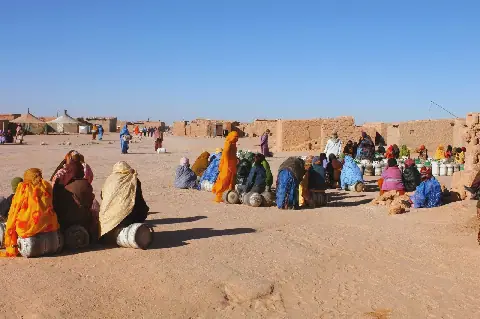
The issue of protracted displacement affecting children worldwide has become a pressing concern. According to recent data, 117.8 million people were forcibly displaced globally by the end of 2025, with almost seven in 10 refugees having been in exile for at least five years. In eastern and southern Africa, the median duration of displacement is nearly 16 years, leaving children to spend most or all of their school years living in displacement.
The situation is particularly dire in Kenya, where many refugees have been living in camps such as Kakuma and Dadaab for extended periods. A man interviewed in Kakuma had lived in the camp for 10 years, returned to Juba, and then fled back to the same camp. Families like his came through gates they thought they had finally left behind, only to find themselves asking where they could enrol their children. This cycle of displacement has become all too familiar for many.
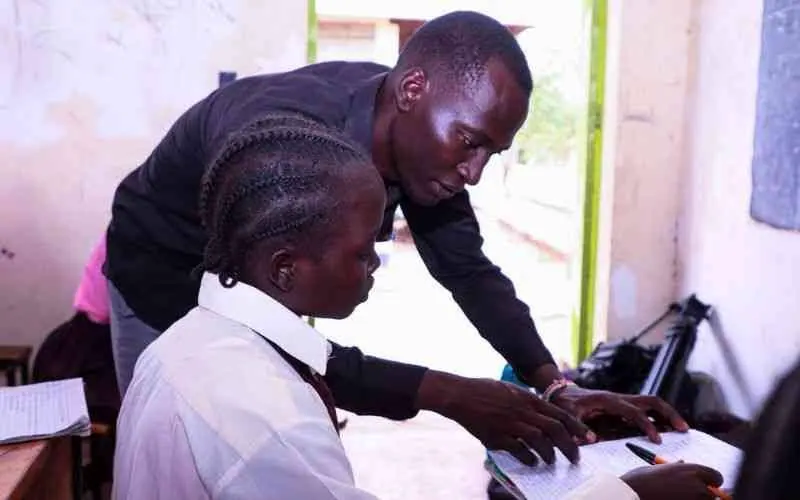
The impact of prolonged displacement on children's education cannot be overstated. When conflict and displacement last for years, children cannot spend a significant part of their childhood waiting for an emergency to end before their education resumes. They need the chance to keep learning and progressing throughout displacement. Education is crucial in building relationships and understanding, and can help children develop essential skills such as critical thinking and problem-solving.
The 2026 Global Peace Index reports 61 currently active state-based conflicts, the most since World War II. In 2024 and 2025, there were at least 8,566 attacks on education, harming more than 10,600 students, teachers, and other education personnel. These statistics highlight the urgent need for governments and donors to prioritize education in conflict-affected areas.
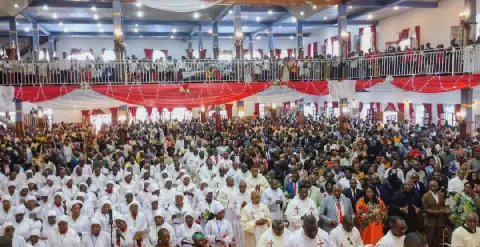
Investing in education is also an investment in the conditions in which lasting peace can grow. The UN Secretary General has said, "Peace is not just made at conference tables, but in classrooms." Education can help build a foundation for peace by promoting inclusivity, tolerance, and understanding. However, this requires governments and donors to plan and finance education with long-term displacement in mind.
To address the issue of displaced children and education, governments and donors must work together to ensure that education can continue through displacement. Displaced children should be included in national education systems wherever possible, and teachers from displaced and host communities should be trained and paid. Schools must be protected, and perpetrators of attacks must be held to account.
The theme of this year's International Day of Peace, 'Invest in Peace: For Everyone, Everywhere, Every Day', highlights the importance of prioritizing education in conflict-affected areas. By investing in education, we can help build a brighter future for displaced children and promote lasting peace.
Key points
- Education is crucial for displaced children to build a foundation for peace and a brighter future.
- Protracted displacement affects millions of children worldwide, with many spending most or all of their school years living in displacement.
- Governments and donors must prioritize education in conflict-affected areas to ensure that education can continue through displacement.