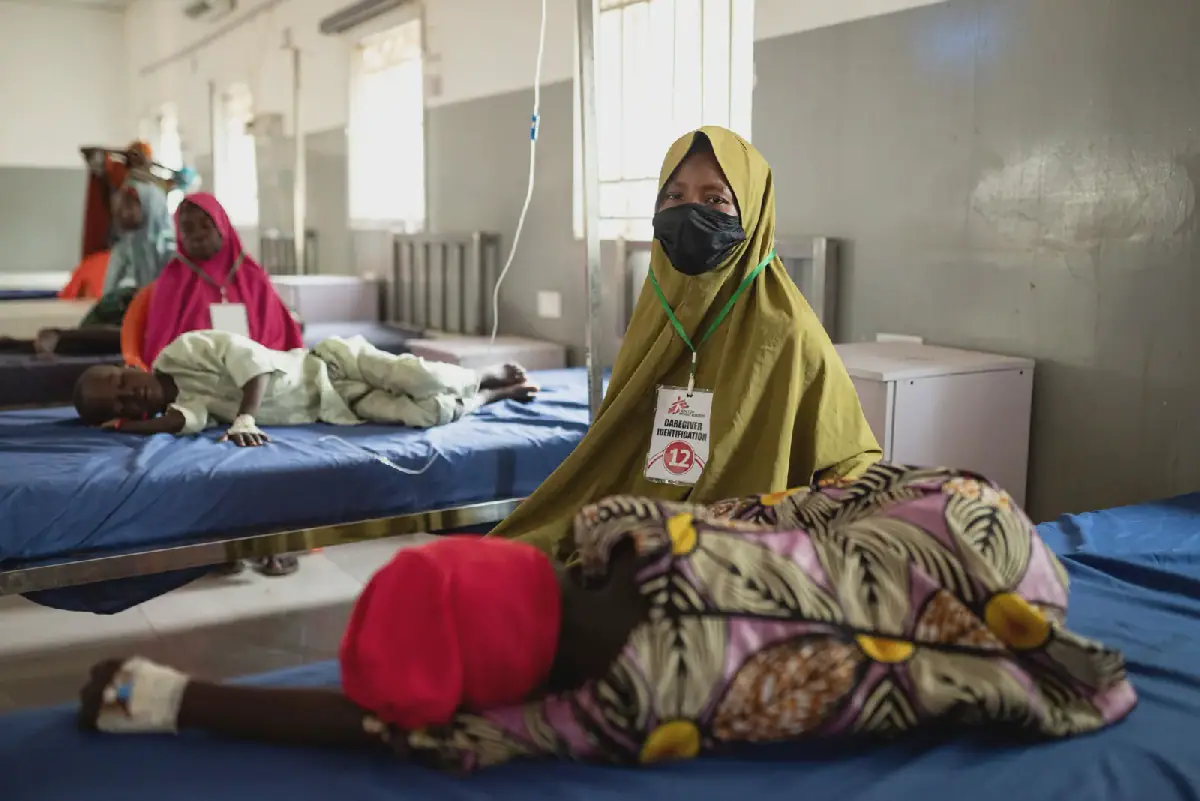
Médecins Sans Frontières (MSF) has warned of a critical shortage of diphtheria antitoxin in Nigeria, where over 28,000 confirmed infections and 1,100 deaths have been reported this year. The organisation said that its stocks of the lifesaving medicine are dangerously low, forcing medical teams to ration treatment for patients. MSF's Medical Coordinator in Nigeria, David Kizito, warned that the shortage could compromise the treatment of severely ill patients, particularly children who are unvaccinated or have not received all their recommended vaccine doses.
The diphtheria outbreak in Nigeria has been ongoing since late 2022 and has spread to 26 states and the Federal Capital Territory, covering 361 local government areas. According to the Nigeria Centre for Disease Control and Prevention (NCDC), 37,529 suspected cases have been reported, with 28,151 confirmed infections and 1,126 deaths recorded as of November 7. Kano State has been the worst affected, accounting for 12,008 confirmed cases, approximately 43 per cent of the national total.
MSF reported managing 86 diphtheria cases in Katsina State between October 26 and November 12, including 70 classified as severe and 16 as non-severe. The organisation also reached 1,315 contacts through surveillance and contact-tracing activities, vaccinating 1,301 and providing preventive antibiotics to 1,311. In neighbouring Zamfara State, MSF supported facilities in Gusau recorded over 671 diphtheria admissions in approximately one month, with most patients being children who had not been vaccinated.
The shortage of diphtheria antitoxin has been attributed to limited global production and inconsistent availability. MSF called on federal and state authorities, donors, and international partners to urgently secure additional medicines and vaccines, ensure their timely clearance at ports, and improve distribution to affected communities. The organisation also emphasised the need for increased global production of diphtheria antitoxin and sustained investment in routine childhood immunisation to prevent further outbreaks.
Despite the challenges, MSF has treated over 9,000 diphtheria patients through facility-based and community interventions since the beginning of its 2023 response. In Kano, the organisation supported vaccination campaigns in April and June, administering over 835,000 doses to children in partnership with the state Ministry of Health. MSF is also supporting treatment, surveillance, infection prevention, and vaccination efforts in several northern states, alongside government health authorities.
The Nigerian government has announced an emergency multi-agency task force to strengthen surveillance, immunisation, and access to treatment in affected states. The intervention includes plans to supply additional antitoxin, antibiotics, medical personnel, and protective equipment to health facilities. Authorities also announced plans to establish treatment annexes across Katsina's three senatorial districts to reduce pressure on the referral hospital.
The Executive Director of the National Primary Health Care Development Agency (NPHCDA), Muyi Aina, said that about 93 per cent of children affected by recent diphtheria outbreaks had not received their full recommended vaccine doses. He identified misinformation and vaccine hesitancy as challenges affecting immunisation uptake. MSF's response highlights the need for sustained efforts to improve vaccination coverage and prevent further outbreaks of the disease.
Key points
- MSF warns of critical shortage of diphtheria antitoxin in Nigeria
- Over 28,000 confirmed infections and 1,100 deaths reported in Nigeria this year
- Government announces emergency multi-agency task force to strengthen surveillance and treatment efforts