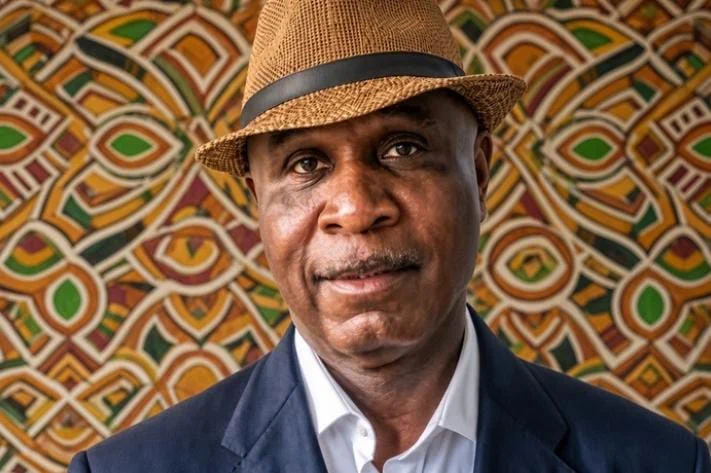
Eugène Diomi Ndongala, president of the Christian Democracy (DC) party, has expressed concerns over the Coalition Article 64 (C64) threat of "legitimate defense" following the tense demonstrations on September 15. In an analysis, Diomi Ndongala stated that this stance raises fundamental questions about the limits of political action in a state governed by the rule of law. He warned against a conceptual shift within the coalition that could undermine the principles they claim to preserve.
The controversy centers around a joint communiqué published on September 17, 2026, by five C64 leaders, including Martin Fayulu, Jean-Marc Kabund, Moïse Katumbi, Augustin Matata Ponyo, and Delly Sesanga. The coalition announced its intention to adopt "legitimate defense" measures against any obstruction of its public activities. Diomi Ndongala argued that this formulation marks a dangerous turn towards a logic of self-protection and security.
Diomi Ndongala emphasized that, in a republic, the monopoly of legitimate physical constraint lies with the state, and no political organization can substitute for public forces in maintaining order. He also disputed the political use of the concept of "legitimate defense," stating that any physical or armed opposition to public forces constitutes rebellion under Article 133 of the Congolese Penal Code.
The leader of the "Patriots" coalition fears a mirror effect in response to private militias and recognizes the legitimacy of the opposition's political struggle against the Félix Tshisekedi government. However, he noted a contradiction in C64's stance, as they demand the dismantling of partisan civil formations while announcing their intention to ensure their own protection.
Diomi Ndongala argued that Article 64 of the Constitution, which imposes a duty on all Congolese to thwart anyone who takes power by force or exercises it in violation of constitutional rules, should not be interpreted as a general authorization for private violence. Instead, he advocates for non-violent civic mobilization and the use of legal channels to address grievances.
The Christian Democracy party leader called for strict adherence to republican rules and warned against a climate where force gradually supplants the mechanisms of the rule of law. He defended a strictly legal conception of political confrontation, arguing that the defense of public liberties and the quest for justice cannot rely on practices that undermine the principles of constitutional order.
Diomi Ndongala's statements reflect a broader concern about the escalating tensions between political actors and state institutions in the Democratic Republic of Congo. His warnings highlight the potential risks of a slide into violence and the erosion of constitutional principles.
Key points
- Eugène Diomi Ndongala criticizes C64's "legitimate defense" stance as a threat to constitutional order.
- Diomi Ndongala advocates for non-violent civic mobilization and adherence to legal channels to address grievances.
- The controversy highlights the challenges of balancing political opposition with the maintenance of public order in the Democratic Republic of Congo.