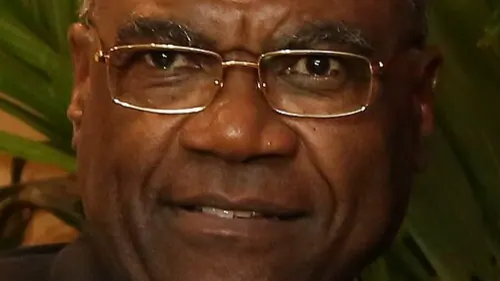
The Deputy National, She Okitundu, has called for a new approach to dialogue in the Democratic Republic of Congo. He believes that the upcoming talks should move away from previous frameworks that have led to deadlocks. Okitundu, a member of the Union Sacrée de la Nation, emphasizes that the future dialogue must address the country's persistent governance and development issues. The dialogue's success, he says, depends on the President's leadership.
According to Okitundu, the President has the final say in determining the dialogue's format, participants, and facilitator. He expressed confidence that the President will consider the proposals and set the tone for the talks. Okitundu highlighted that this dialogue should differ from previous ones, such as Sun City and Saint-Sylvestre, which failed to yield desired results. The goal, he stressed, is to create a platform for finding solutions to the country's ongoing difficulties.
President Félix Tshisekedi has accepted the principle of dialogue to restore peace in the country. He emphasized that national cohesion and unity are crucial for the dialogue's success. Tshisekedi acknowledged that previous processes have not worked and that it's essential to identify the causes of controversy in the state's functioning. The President's initiative has garnered attention from various stakeholders, including the opposition and religious groups.
Okitundu noted that while the Doha and Washington processes have made progress in pacifying the east of the DRC, the dialogue must address internal issues. He stressed that the internal dimension of the crisis, fueled by opposition and marginalized groups, can no longer be ignored. Okitundu insisted that those with "blood on their hands" or involved in "imprescriptible crimes" should not participate in the dialogue.
The Deputy National also highlighted the importance of the international community's role in promoting peace, unity, and development in the DRC. He emphasized that the dialogue should be a platform for Congolese actors to find solutions to their problems. A committee, established by President Tshisekedi, has been tasked with laying the groundwork for the dialogue and ensuring its smooth execution.
The committee's primary mission is to assess the material, financial, technical, and logistical needs for the dialogue. It will also establish contacts with national stakeholders and international partners. The committee will be supported by a technical secretariat composed of eleven experts designated by the President. Their tasks include drafting terms of reference, conducting studies, and centralizing contributions.
The dialogue's outcome depends on the committee's ability to create an inclusive and transparent platform. Okitundu's call for a new approach has resonated with various stakeholders, who are eager to see tangible results from the upcoming talks. The President's leadership and commitment to the dialogue's success will be crucial in determining its impact on the country's future.
Key points
- She Okitundu urges a new approach to dialogue in the DRC to tackle current challenges.