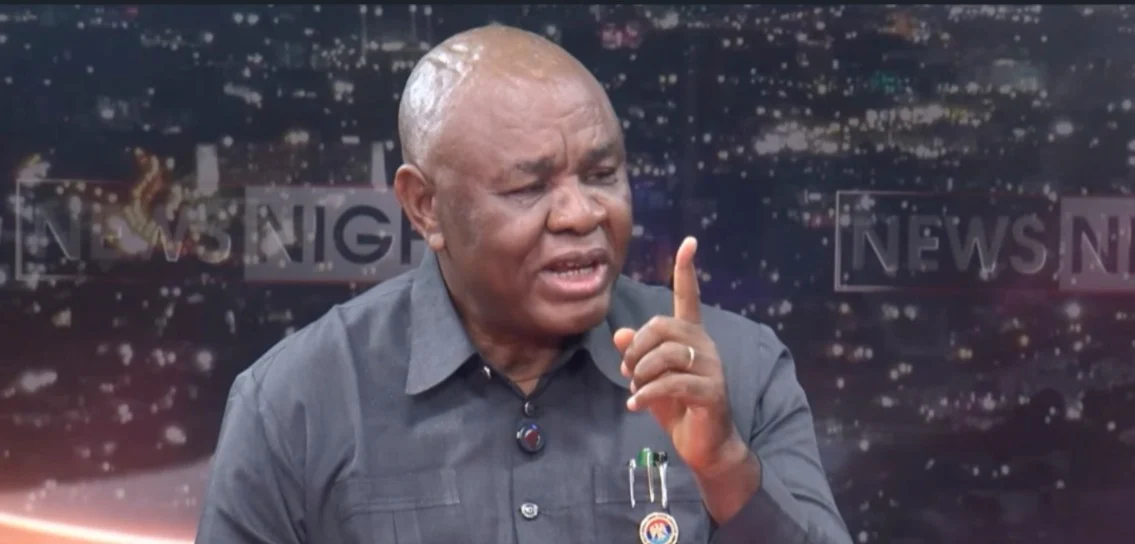
Nigeria's recurring flood crisis has been attributed to poor use of available funds and information, leaving vulnerable communities exposed to displacement and destruction. According to Air Vice Marshal Akugbe Iyamu, a former acting Director-General of the National Emergency Management Agency, the country has sufficient data and early warnings to prepare for flooding. However, the resources released for disaster preparedness have not been effectively utilized.
Iyamu questioned how the Ecological Fund and other funds released for disaster preparedness had been used, arguing that the resources should be deployed to prevent flooding rather than respond after communities have suffered damage. He noted that between 2023 and 2025, 109 billion Naira was released for the Ecological Fund, but the states' use of these funds remains unclear. The Ecological Fund was established in 1982 to address ecological challenges.
The former NEMA boss criticized the bureaucracy and lack of transparency and accountability in the management of funds intended for flood prevention and preparedness. He stated that states often treat ecological funds as part of their regular allocations rather than separating and deploying them for disaster mitigation. Iyamu emphasized the need for transparency and accountability in the use of these funds.
Iyamu also discussed the flooding situation in Abuja, citing damage to the city's original drainage and relief-line designs as a major challenge. He asserted that the destruction is irreversible and that the city's original master plan, particularly its drainage and water-flow channels, needs to be restored. The city's designer, Kenzo Tange, had envisioned a purpose-built city that would not flood.
For other parts of the country, Iyamu recommended that the Ecological Fund be used for preventive measures, including the construction of sandbanks and riverbanks, rather than being reserved primarily for relief after disasters occur. He also suggested harmonizing response agencies and utilizing the Anticipatory Action Taskforce to prepare for and respond to flooding.
The Anticipatory Action Taskforce has 83.2 billion Naira released by the National Economic Fund, which Iyamu believes needs to be used effectively. He emphasized that the Ecological Fund should not be used as pocket money for states but rather for its intended purpose of addressing ecological challenges. Section 20 of the Nigerian Constitution states clearly what ecology looks like.
Iyamu concluded by stressing the need for a reset in the use of the Ecological Fund and a more effective approach to flood preparedness and mitigation. His comments come amid recurring flooding in several parts of Nigeria, with heavy rainfall causing damage to homes and infrastructure and disrupting livelihoods.
Key points
- Poor use of available funds and information has left vulnerable communities exposed to displacement and destruction.
- The Ecological Fund should be used for preventive measures, including the construction of sandbanks and riverbanks.
- There is a need for transparency and accountability in the use of funds intended for flood prevention and preparedness.