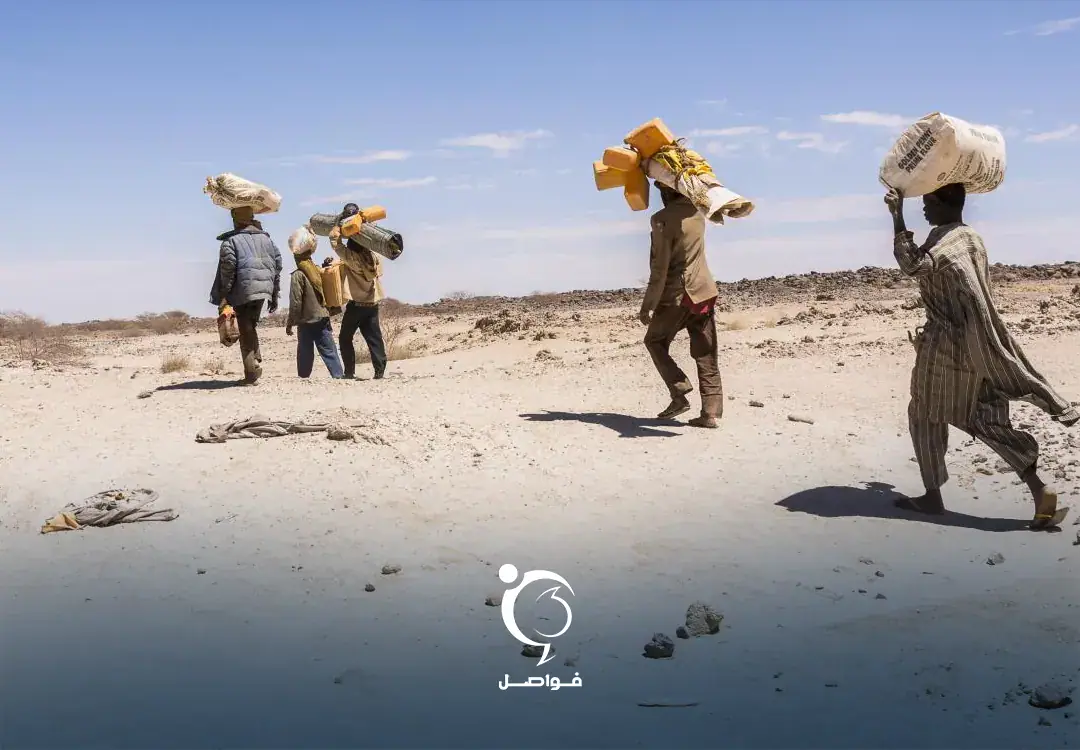
The flow of migrants into Libya has decreased significantly, with a 47% drop in the third quarter of 2026 compared to the previous quarter, according to the UN Office for the Coordination of Humanitarian Affairs (OCHA). The decline is attributed to increased risks and costs associated with traversing the desert border routes. OCHA reports that stricter border management has led to more arrests of undocumented migrants and disruption of smuggling networks.
Smugglers have responded by using more remote and hazardous desert routes, which has resulted in a higher number of fatalities. The harsh summer climate, rising transportation costs, and recorded deaths on these routes have further discouraged migrants from attempting the journey to Libya. Additionally, the decline in the value of the Libyan dinar and reduced job opportunities have made Libya a less attractive destination.
OCHA's data indicates that the increased risks and costs have successfully deterred many migrants from attempting to enter Libya. The UN office has been monitoring migration patterns and providing humanitarian assistance to those affected. The situation highlights the complexities of migration and the need for a comprehensive approach to address the root causes of migration.
The decrease in migration flows into Libya has significant implications for the country's migration dynamics. Libya has long been a transit point for migrants attempting to reach Europe, but the country's own migration challenges have been exacerbated by conflict and instability. The situation requires careful management to ensure that the needs of migrants and local communities are addressed.
The use of remote desert routes by smugglers has raised concerns about the safety and security of migrants. The harsh conditions and lack of access to basic services make it difficult for migrants to survive. OCHA and other humanitarian organizations have been working to provide assistance to migrants stranded in these areas.
The decline in migration flows into Libya also reflects broader trends in global migration patterns. The International Organization for Migration (IOM) and other organizations have reported changes in migration routes and patterns in response to changing circumstances. The situation in Libya is part of a larger complex issue that requires a coordinated response.
Efforts to address the root causes of migration, including poverty, conflict, and lack of opportunities, are essential to mitigating the flow of migrants. The situation in Libya highlights the need for a comprehensive approach that addresses the complex factors driving migration.
Key points
- Migration flows into Libya dropped 47% in the third quarter of 2026.
- Stricter border management and harsh desert conditions have deterred migrants.
- Smugglers are using more remote and hazardous routes, increasing fatalities.
Reporting sources
- مخاطر الطرق الصحراوية وتكاليف التنقل تقلّص تدفقات الهجرة إلى ليبيا · fawaselmedia.com