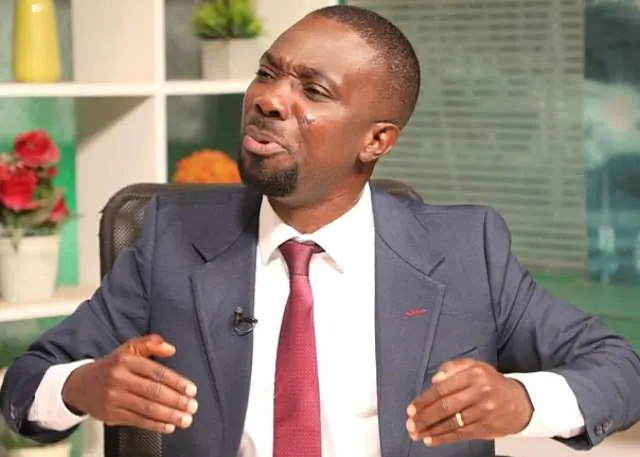
Ghana's New Patriotic Party (NPP) has raised concerns about the effectiveness of the country's systems for detecting illicit drugs at ports and borders. Dennis Miracles Aboagye, Communications Director for the NPP flagbearer Dr Mahamudu Bawumia's campaign team, made these comments on the Asaase Breakfast Show on September 23. He pointed to a series of cocaine seizures linked to shipments from Ghana, questioning how large quantities of narcotics could enter or leave the country undetected.
Aboagye emphasized that the issue went beyond arresting couriers, requiring investigations into trafficking networks and finances. He described couriers as "pawns" in wider trafficking networks, easily replaceable if arrested. Aboagye called on security agencies to probe financial transactions, company ownership, shipping documentation, and property acquisitions to identify organisers and financiers. He stressed that as long as kingpins and financiers remained free, they would continue to operate.
Aboagye questioned how large quantities of narcotics could enter or leave Ghana without detection, suggesting two possibilities: either illicit drugs entered Ghana undetected and left through ports, or some were processed within the country. Although he acknowledged no evidence of clandestine laboratories in Ghana, he argued that this possibility should not be dismissed. Aboagye's comments followed recent cocaine seizures, sparking concerns about Ghana's role in international drug trafficking.
The Ghana Maritime Authority (GMA) responded to Aboagye's claims, stating its maritime surveillance system was operational with 24-hour monitoring of vessels within Ghana's maritime jurisdiction. Aboagye said he would study the authority's response before reacting, alleging that a surveillance system acquired from Serbia during the NPP's administration had not been installed. He questioned the effectiveness of the system currently in use.
Aboagye also addressed claims that the NPP administration had excluded the Narcotics Control Commission (NACOC) from port inspections. He said changes introduced in 2018 aimed to reduce bureaucracy at ports, in line with World Trade Organization recommendations, rather than prevent NACOC participation. Aboagye argued that NACOC continued to make drug-related arrests at Ghana's ports and airports during the NPP administration.
Aboagye criticised the government's response to recent cocaine seizures, saying the focus should not be solely on arrests but on preventing similar consignments from leaving Ghana. He called on the government to identify trafficking networks and strengthen surveillance and intelligence systems to prevent Ghana from becoming a transit point for international drug trafficking. Aboagye stressed that this was a national issue, not a partisan one.
Aboagye's assessment of the current administration's performance compared to the previous NPP administration was a political claim, not independently established. He urged a collaborative effort to combat drug trafficking, emphasizing that it was a Ghanaian issue, not an NPP-NDC one. The NPP's concerns reflect ongoing efforts to address drug trafficking in Ghana and strengthen border security.
Key points
- Dennis Miracles Aboagye urges authorities to target kingpins behind Ghana's recent cocaine seizures
- NPP questions effectiveness of Ghana's systems for detecting illicit drugs at ports and borders
- Aboagye calls for investigations into trafficking networks and finances to prevent future consignments