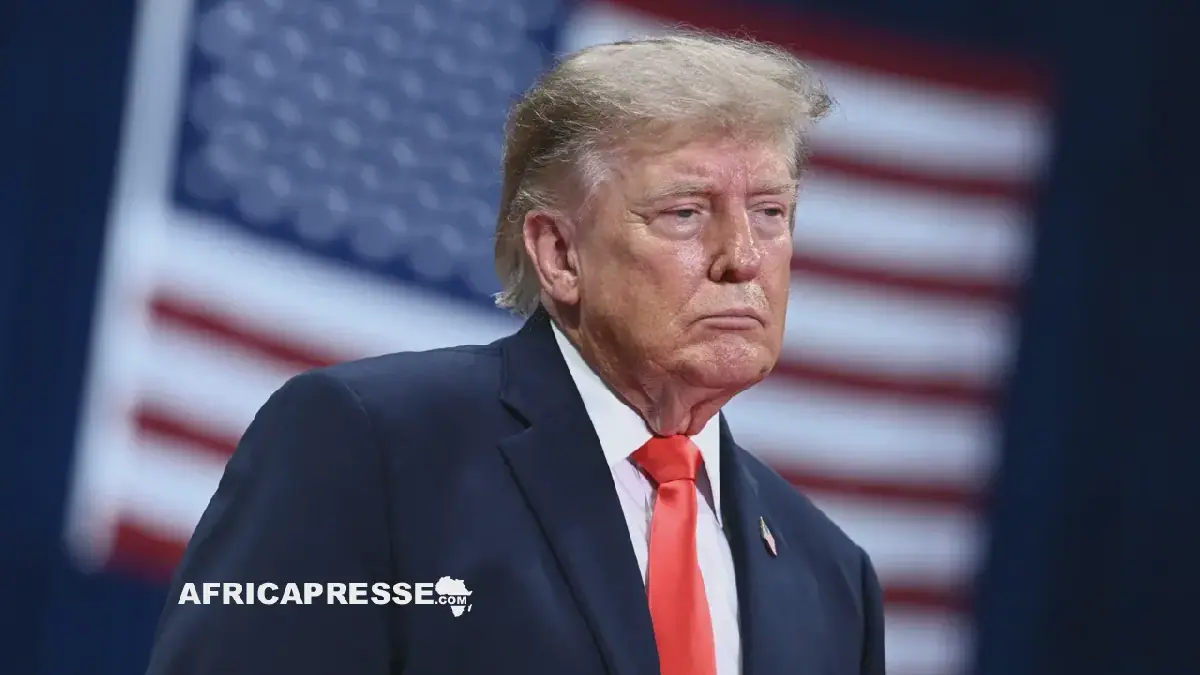
The US midterm elections held on November 3, 2026, have resulted in a significant victory for the Democratic Party, with projections indicating a majority in both the Senate and House of Representatives. This outcome marks a rare and substantial setback for President Donald Trump, two years before the end of his term. According to preliminary figures, Democrats are expected to secure around 55 seats in the 100-member Senate, up from 47, and have already surpassed the 77-seat majority threshold in the House of Representatives.
The Democratic victory was marked by notable wins in traditionally conservative territories. In South Carolina, Democrat Annie Andrews defeated Darline Graham, a candidate personally chosen by President Trump, to claim the Senate seat. In Texas, James Talarico became the first Democratic senator elected in the state since 1992, outperforming ultraconservative Republican Ken Paxton, who had received over $220 million in support from Elon Musk.
The Democrats also secured victories in North Carolina, Iowa, and Ohio, all of which were won by Trump in the 2024 presidential election. Furthermore, Adam Hamilton won the Senate seat in Kansas, a state that had not elected a Democratic senator since 1932. These results reflect growing voter dissatisfaction with the cost of living, which analysts attribute as the primary driver of the Republican Party's defeat.
The midterm elections have significant implications for the remaining two years of Trump's presidency. In response to the election results, Trump stated that he would accept the outcome but also indicated his willingness to use his veto power against Democratic-led legislation in Congress. This stance suggests a period of institutional gridlock and confrontation between the executive and legislative branches, with the 2028 presidential election looming in the background.
The geography of Democratic victories suggests a deeper shift in the US political landscape. States such as Texas, Ohio, Iowa, and Kansas, which are not traditionally Democratic strongholds, have shown signs of erosion in Republican support. The success of candidates like James Talarico in Texas, who ran a well-funded campaign, demonstrates the potential for Democrats to compete with Republicans in their own strongholds.
The Republican Party did manage to retain the Senate and Governor's seats in Florida, offering some consolation. Trump acknowledged the Democrats' performance, describing it as "a good job," in an interview with Fox News. However, this recognition also underscores the magnitude of his defeat. With two years remaining in his term, Trump faces a new phase as a president without parliamentary majority, confronted with an electorate that has sanctioned his economic record.
The question now dominating Washington is how the Democrats plan to govern with a president determined to use all available constitutional levers to obstruct their agenda. The cohabitation between the Democratic-led Congress and the Trump administration promises to be contentious, setting the stage for a period of intense political maneuvering.
Key points
- Democrats win control of US Congress with majorities in Senate and House of Representatives
- Historic blow to President Donald Trump, two years before end of term
- Election results reflect voter dissatisfaction with cost of living and erosion of Republican support in key states