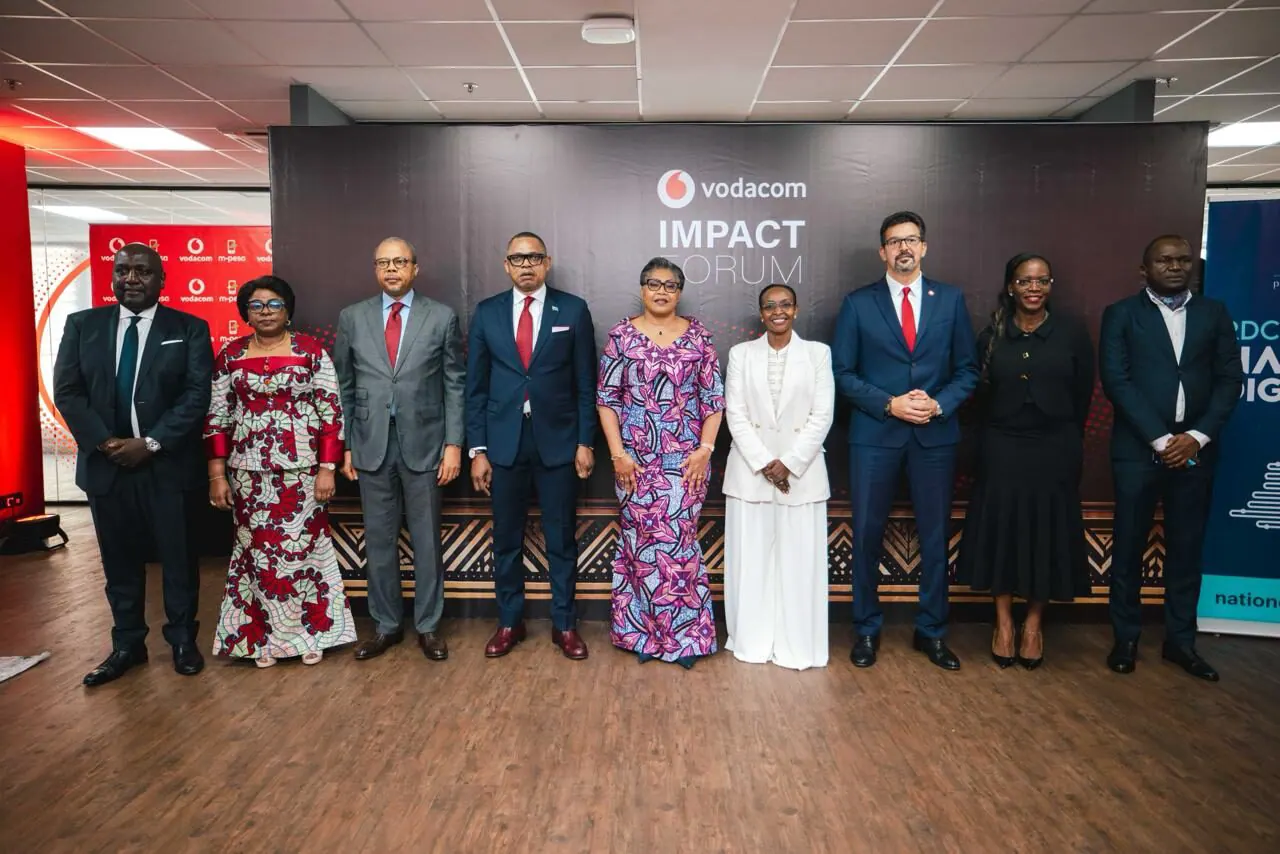
The Democratic Republic of Congo is pushing forward with its digital transformation agenda, with the government calling on private sector actors to play a more significant role in reducing the country's digital divide. On October 8, Prime Minister Judith Suminwa Tuluka chaired the 2026 Vodacom Impact Forum in Kinshasa, which brought together government officials, private sector representatives, and regulators. The forum focused on investing sustainably to connect the DR Congo of tomorrow.
The Congolese government views digital transformation as a development, economic inclusion, and modernization issue, rather than just a technological one. The third pillar of the government's 2024-2028 program prioritizes digital inclusion, with Kinshasa seeking to leverage private investment to accelerate infrastructure deployment and foster a digital economy that can reach the entire territory. The government aims to connect the country's 145 territories and reduce the digital divide.
Vodacom Congo CEO Khalil Al Americani emphasized the importance of dialogue and partnerships in driving the country's digital transformation. He argued that major transformations cannot be decreed, but rather built through collaboration and trust. The company's approach involves creating a platform for discussion between public authorities, economic operators, and other stakeholders.
The government has set ambitious targets, including connecting all 145 territories and making the telecommunications sector a more significant contributor to the national economy. Communications Minister José Panda highlighted the need to expand access to digital and financial services, particularly in rural areas. The government also aims to increase the country's internet penetration rate, which remains relatively low.
The DR Congo has a large and youthful population, with over 100 million inhabitants, and a rapidly growing mobile money sector. However, the country faces significant challenges, including a substantial digital divide between urban and rural areas, limited purchasing power, and difficulties deploying infrastructure in remote territories. The government is seeking to address these challenges through public-private partnerships.
Prime Minister Suminwa emphasized the importance of making connectivity a service accessible to all, including in remote areas. She argued that digital transformation should be measured by its impact on citizens, saying "connecting the DR Congo means connecting each Congolese person to their future." The government aims to create a more inclusive digital ecosystem, leveraging public and private sector investments.
The DR Congo's digital transformation agenda has the potential to drive economic growth and improve living standards. The government is seeking to capitalize on the country's demographic advantage and convert it into an economic opportunity. With a sustained effort to bridge the digital divide, the DR Congo can unlock its full potential and become a major player in the region's digital economy.
Key points
- The DR Congo aims to connect all 145 territories and reduce the digital divide through public-private partnerships.
- The government views digital transformation as a development, economic inclusion, and modernization issue.
- The country's digital transformation agenda has the potential to drive economic growth and improve living standards.