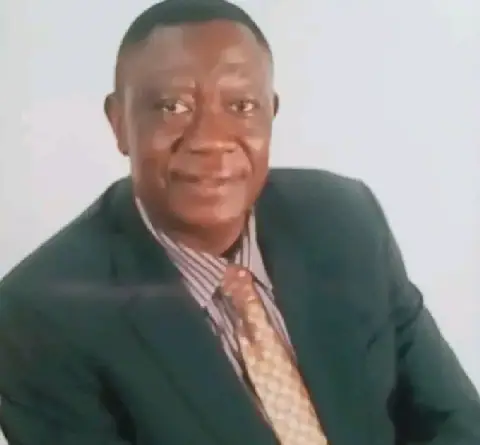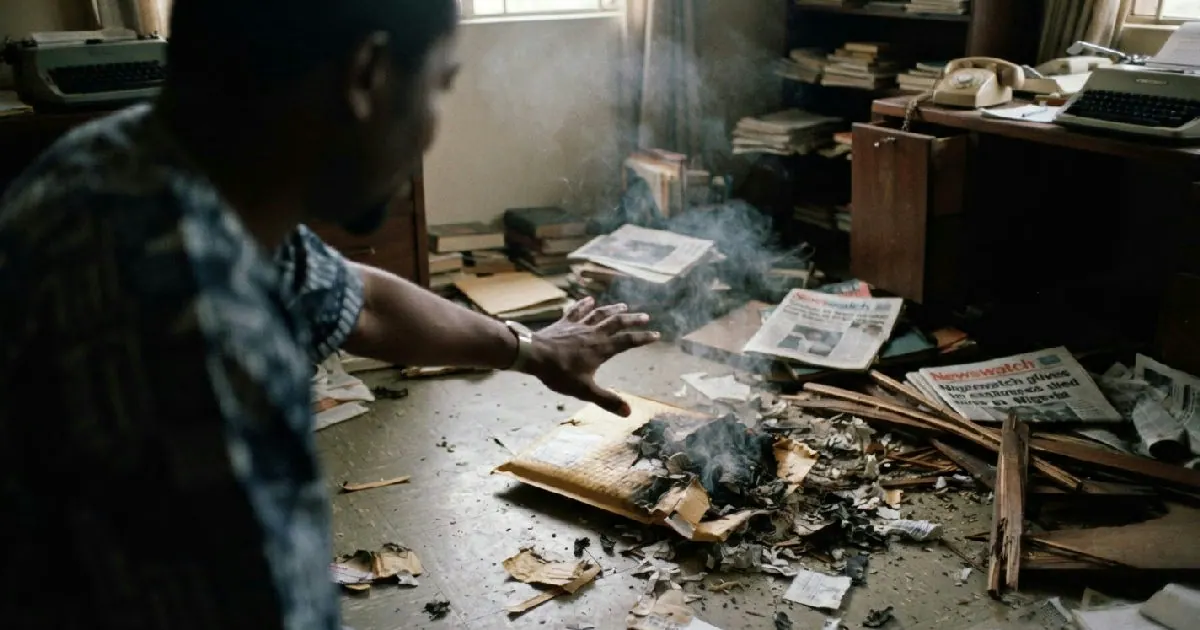
On October 19, 1986, a parcel bomb exploded at the Lagos home of Dele Giwa, killing him instantly. Giwa was a prominent journalist and editor-in-chief of Newswatch magazine, known for its investigative journalism and fearless reporting. His assassination sent shockwaves through Nigeria, raising questions about the motive behind the killing. Giwa's last words, reportedly, were "They got me." The incident has remained a mystery for nearly four decades, with many speculating about the identity of the perpetrators and their motives.
The story of Gloria Okon, a woman arrested at the Aminu Kano International Airport on April 22, 1985, is closely linked to Giwa's assassination. Okon was allegedly in possession of heroin, foreign currency, and thousands of naira, attempting to travel out of the country. She was arrested during the military administration of General Muhammadu Buhari, under Decree No. 20 of 1984, which made drug trafficking a capital offense. However, just six days later, on April 28, 1985, authorities announced that Okon had died in custody due to food poisoning.
The official explanation for Okon's death was met with skepticism, and rumors quickly spread that she was not just a low-level drug courier but a mule for powerful, well-connected individuals. Some believed that her death was faked and that she was secretly spirited out of the country to prevent her from exposing her employers during interrogation. These rumors gained traction when linked to the military government's highest echelons, with some versions alleging that Okon had named Maryam Babangida, wife of then-Minister of Defence General Ibrahim Babangida, during interrogation.
Dele Giwa's investigation into the Gloria Okon story is believed to have contributed to his assassination. Giwa was a journalist at the peak of his powers, known for his fearless reporting and willingness to challenge authority. In the days leading up to his death, Giwa was under intense pressure from state security services, who accused him of plotting a socialist revolution in Nigeria and reporting on the politically sensitive removal of Commodore Ebitu Ukiwe as Chief of General Staff. Giwa denied all the allegations, but two days later, the parcel bomb arrived at his home.
The link between Giwa's death and the Gloria Okon case became an article of faith for many Nigerians. However, accounts from those closest to him have been surprisingly contradictory. Gani Fawehinmi, Giwa's lawyer and human rights advocate, was convinced of the connection and told the Oputa Panel that Giwa had travelled abroad to gather information on Okon. In contrast, Ray Ekpu, another Newswatch co-founder, offered a more measured account, suggesting that the magazine was still in the early stages of investigation at the time of Giwa's death.
The Oputa Panel, established in 1999, revisited the case years later, and heard testimony that once again brought the Gloria Okon connection into the spotlight. General Babangida, Akilu, and Togun all refused to appear before the commission, which ultimately recommended reopening the investigation into Giwa's murder. However, this recommendation was never fully acted upon, leaving many questions unanswered. The murder of Dele Giwa had a profound effect on Nigerian journalism, demonstrating that even the most high-profile editor was not safe from powerful, hidden forces.
The fight for accountability in high-profile cases of alleged official misconduct has often been a long and frustrating journey in Nigeria. Despite the efforts of Gani Fawehinmi and damning testimony from police investigators like Abubakar Tsav, no one was ever convicted for Giwa's assassination. The legacy of unanswered questions continues to haunt Nigeria, with the case serving as a reminder of the challenges faced by journalists and the importance of a free press in holding those in power accountable.
Key points
- The assassination of Dele Giwa remains a mystery, with many linking it to Gloria Okon, a woman who died in custody in 1985.
- The case has been marked by contradictory accounts and allegations of a cover-up, with some versions implicating high-ranking government officials.
- The murder of Dele Giwa had a profound effect on Nigerian journalism, highlighting the risks faced by journalists and the importance of a free press.