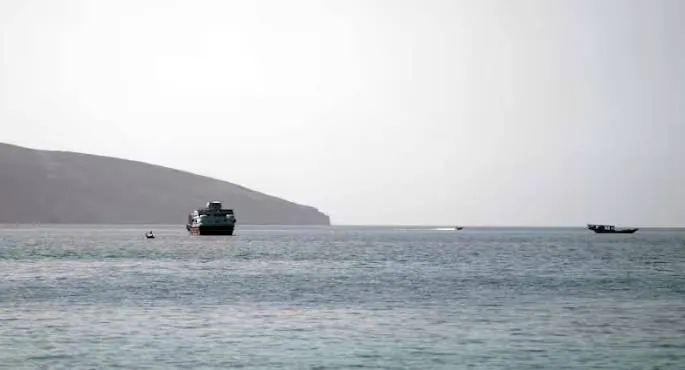
According to preliminary data released on Friday, September 25, 2026, the number of ships that transited the Strait of Hormuz on Thursday decreased to 9, compared to 14 on the previous day. This also represents a decline from the 10-day average of around 18 vessels. The data showed that 8 ships left and 1 ship entered the strait. It is worth noting that some ships may travel through waterways with their transceivers turned off, and therefore are not included in these numbers.
Among the 8 departing ships, there was a giant gas tanker sailing without cargo and an ultra-large crude oil tanker that was loaded. On the other hand, a single bulk dry cargo ship entered the strait. The data also revealed that some ships' transceivers were turned off, which might not be accounted for in the numbers. The movement of ships through the Strait of Hormuz is closely monitored due to its strategic importance in global oil and gas trade.
In contrast, the data from shipping company Kpler showed that the number of ships transiting the Bab-el-Mandeb Strait on Thursday remained relatively unchanged from the previous day, with a total of 26 vessels. Of these, 12 ships entered and 14 ships left the strait. One of the entering ships was an ultra-large crude oil tanker loaded with Basra crude oil from Iraq, headed to Egypt, and had its transceiver turned on.
The decrease in ship traffic through the Strait of Hormuz may be attributed to various factors, including changes in global demand for oil and gas, as well as geopolitical tensions in the region. The strait is a critical waterway for the transportation of oil and gas from the Middle East to global markets. Any disruptions to this traffic can have significant impacts on the global economy.
The Egyptian government and other regional authorities closely monitor the situation in the Strait of Hormuz and other critical waterways in the region. They work to ensure the safe passage of ships and the stability of global trade. The authorities also engage in diplomatic efforts to reduce tensions and promote cooperation among regional countries.
The incident highlights the importance of the Strait of Hormuz and other critical waterways in the region. The global economy relies heavily on the safe and efficient transportation of oil and gas through these waterways. Any disruptions to this traffic can have far-reaching consequences for the global economy and energy markets.
The shipping industry and regional authorities will continue to monitor the situation in the Strait of Hormuz and other critical waterways. They will work to ensure the safe passage of ships and the stability of global trade, while also addressing the challenges and risks associated with these critical waterways.
Key points
- Number of ships passing through Strait of Hormuz decreased to 9 on Thursday.
- 8 ships left and 1 ship entered the Strait of Hormuz on Thursday.
- A total of 26 ships transited the Bab-el-Mandeb Strait on Thursday.