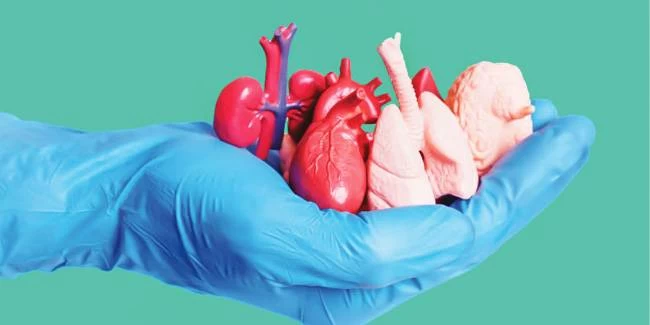
A recent proposal by Dr. Hussam Mawafi, a critical care professor at Cairo University's Kasr Al-Ainy faculty of medicine, has stirred controversy in Egypt. Mawafi suggested utilizing organs from inmates on death row to treat patients in need of transplants. This idea has prompted questions about its medical, legal, and ethical implications. Mawafi called for a clear legal and religious stance on the matter, inquiring whether organs could be harvested before or after the execution.
Dr. Hisham Rabie, a fatwa expert at Dar Al-Ifta, stated that organ donation from deceased individuals is permissible in principle, according to Egyptian and international Islamic jurisprudence. However, he emphasized that specific conditions must be met, including the donor's free and informed consent. Rabie expressed concerns that the psychological pressures and restrictions faced by death row inmates may compromise their ability to provide genuine consent.
Counselor Amr Abdel Salam, a lawyer specializing in appeals and constitutional law, argued that the proposal contradicts existing organ transplantation regulations. He stressed that donation must be based on the donor's free and informed consent, documented through official procedures. Abdel Salam contended that the circumstances of death row inmates raise questions about the validity of their consent, both before and after execution.
The Egyptian Constitution protects human dignity and bodily integrity, with Article 60 affirming the sanctity of the human body. Article 61 allows for organ donation after death, provided it is based on a documented will or consent. Abdel Salam emphasized that these constitutional provisions must be considered when evaluating the proposal, alongside legal, ethical, and religious concerns.
Dr. Mohamed Ezz Arab, founder of the Liver Tumor Unit at the National Liver Institute, highlighted the need to separate medical considerations from legal and ethical ones. He noted that Egypt's 2010 organ transplantation law permits donation after death, but only if the donor has provided prior consent. Ezz Arab underscored the importance of a documented will or consent, emphasizing that the absence of such documentation could raise concerns about coercion.
Key stakeholders, including the Azhar, Egypt's highest Islamic authority, have yet to provide a clear stance on the proposal. The debate surrounding organ harvesting from death row inmates highlights the complexities of balancing medical needs with ethical, legal, and religious considerations. As discussions continue, Egypt's medical community and policymakers will need to carefully weigh the implications of such a policy.
The proposal has sparked concerns about the commodification of human bodies and the potential for exploitation. While some argue that it could save lives, others contend that it would undermine the principles of human dignity and bodily integrity. As the debate unfolds, Egypt's authorities will need to consider the diverse perspectives and develop a well-informed policy that addresses the complex issues at stake.
Key points
- The proposal to harvest organs from death row inmates raises concerns about the validity of their consent.
- The Egyptian Constitution and laws regulate organ donation and transplantation.
- The debate highlights the need for a balanced approach, considering medical, legal, and ethical implications.