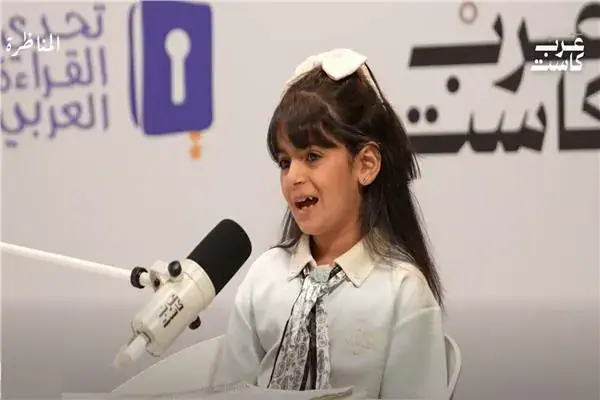
A heated debate on the future of education and the burden of homework has sparked a thought-provoking discussion in Dubai. Talia, a student from Palestine, has taken a bold stance against traditional homework, arguing that it is an "additional burden" that steals from students' childhood and turns their homes into academic prisons that extend until late at night.
Talia based her argument on everyday reality for children, pointing out that students who spend long hours within school walls should not be burdened with additional tasks that consume their remaining time. Citing scientific studies and documented statistics, including one from the Polish Educational Research Institute (IBA) in April 2024, which led to the issuance of a law abolishing homework for millions of primary school students to protect them from psychological pressure and stress.
The study from Stanford University confirmed that homework is the primary source of stress in students' lives, surpassing even the pressure of grades and exams, and causes physical symptoms such as headaches and sleep problems. Talia analytically explained that homework dismantles family stability and destroys family bonding time, as homes are transformed from spaces for relaxation and hobbies into arenas of daily conflicts and struggles.
Questioning where children find time to learn music, practice sports, or drawing, Talia noted that 2026 statistics show children spending long hours on screens and smartphones without benefit. She called for redirecting time towards useful activities instead of exhausting tired minds that cannot absorb more.
Regarding social and family justice, Talia strongly criticized the opposing argument, emphasizing that homework is an "unfair tool" because it deepens the class gap between students. She explained that students with families available to assist and guide them have a greater chance of success, while those whose parents work long hours are punished twice: once for not finding help and once for academic failure.
The final stage of the Arab Reading Challenge took place in the United Arab Emirates, specifically at the Dubai World Trade Center. This event has sparked conversations about education and student well-being.
The discussion on homework has raised concerns about students' mental health and family dynamics. As educators and policymakers reevaluate the role of homework, they must consider the impact on students' overall well-being and academic performance. The debate is ongoing, with various perspectives on the issue.
Key points
- Student argues that homework affects family bonding and students' mental health.
- Homework deepens class gap between students.
- Debate on abolishing homework gains momentum in education sector.