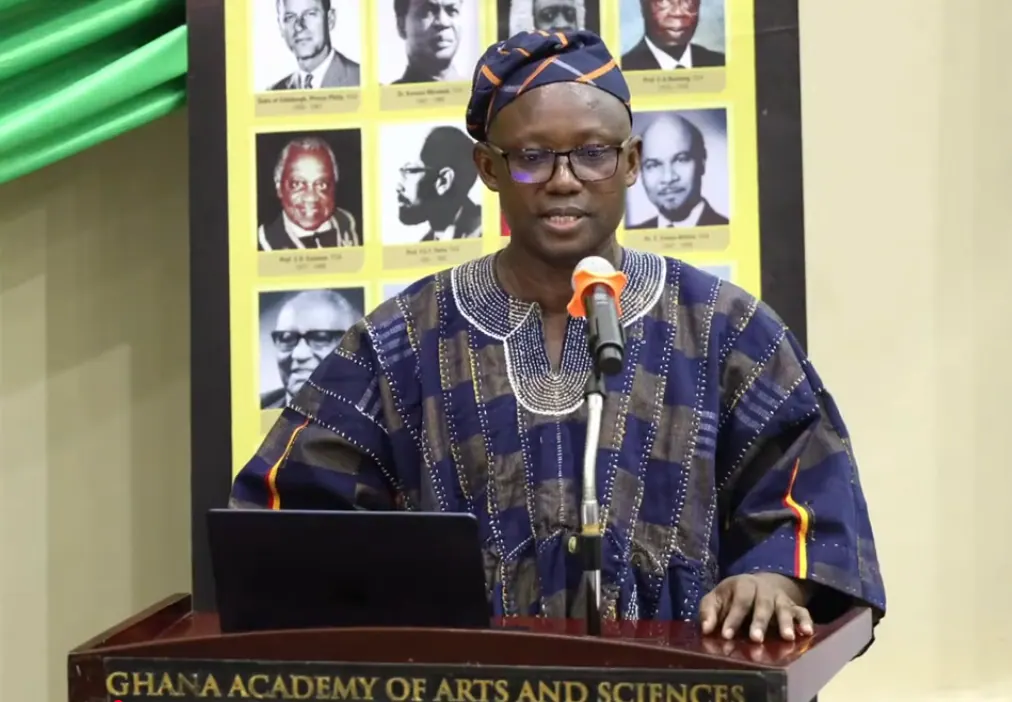
On October 5, 2026, Kwaku Antwi-Boasiako, a prominent figure in Ghana's media landscape, shared his thoughts on how to tackle the growing issue of political and social media insults. In an opinion piece broadcast on Joy FM, he emphasized that individuals who oppose such content should avoid engaging with it. By not watching, sharing, or re-publishing insulting content, people can prevent social media algorithms from promoting it to a wider audience.
According to Antwi-Boasiako, engaging with violent and insulting content inadvertently gives it oxygen, allowing it to spread and popularize. He cited the example of TikTok videos featuring individuals who have been arrested and prosecuted for allegedly insulting and inciting content. The media personality argued that by boycotting such content, people can silence those behind it and render their social media accounts ineffective.
Antwi-Boasiako's comments come at a time when Ghana is grappling with the challenges of regulating social media content. The issue has sparked intense debate, with some calling for stricter regulations to curb the spread of hate speech and insults. The media personality's suggestion offers a unique perspective on the matter, emphasizing individual responsibility in shaping online discourse.
The opinion piece was broadcast on Joy FM, a leading radio station in Ghana. Antwi-Boasiako's views were presented as his personal opinion, and not necessarily representative of the station or its parent company, Multimedia Group Limited. This disclaimer is standard practice for opinion pieces broadcast on the station.
Antwi-Boasiako's call to action has sparked a mix of reactions from Ghanaians. While some have welcomed his suggestion, others have expressed skepticism about its effectiveness. The debate is likely to continue, with various stakeholders weighing in on the best approach to tackling the issue of social media insults.
The issue of social media insults has significant implications for Ghana's democracy and social cohesion. As the country continues to navigate the complexities of online discourse, individuals, policymakers, and social media platforms will need to work together to find effective solutions. Antwi-Boasiako's suggestion offers one possible approach, emphasizing the role of individual responsibility in shaping online behavior.
In conclusion, Kwaku Antwi-Boasiako's opinion piece on Joy FM has sparked a timely conversation about the issue of social media insults in Ghana. His suggestion to boycott insulting content offers a unique perspective on the matter, and has significant implications for online discourse in the country.
Key points
- Kwaku Antwi-Boasiako urges Ghanaians to boycott social media content that promotes insults and violent rhetoric.