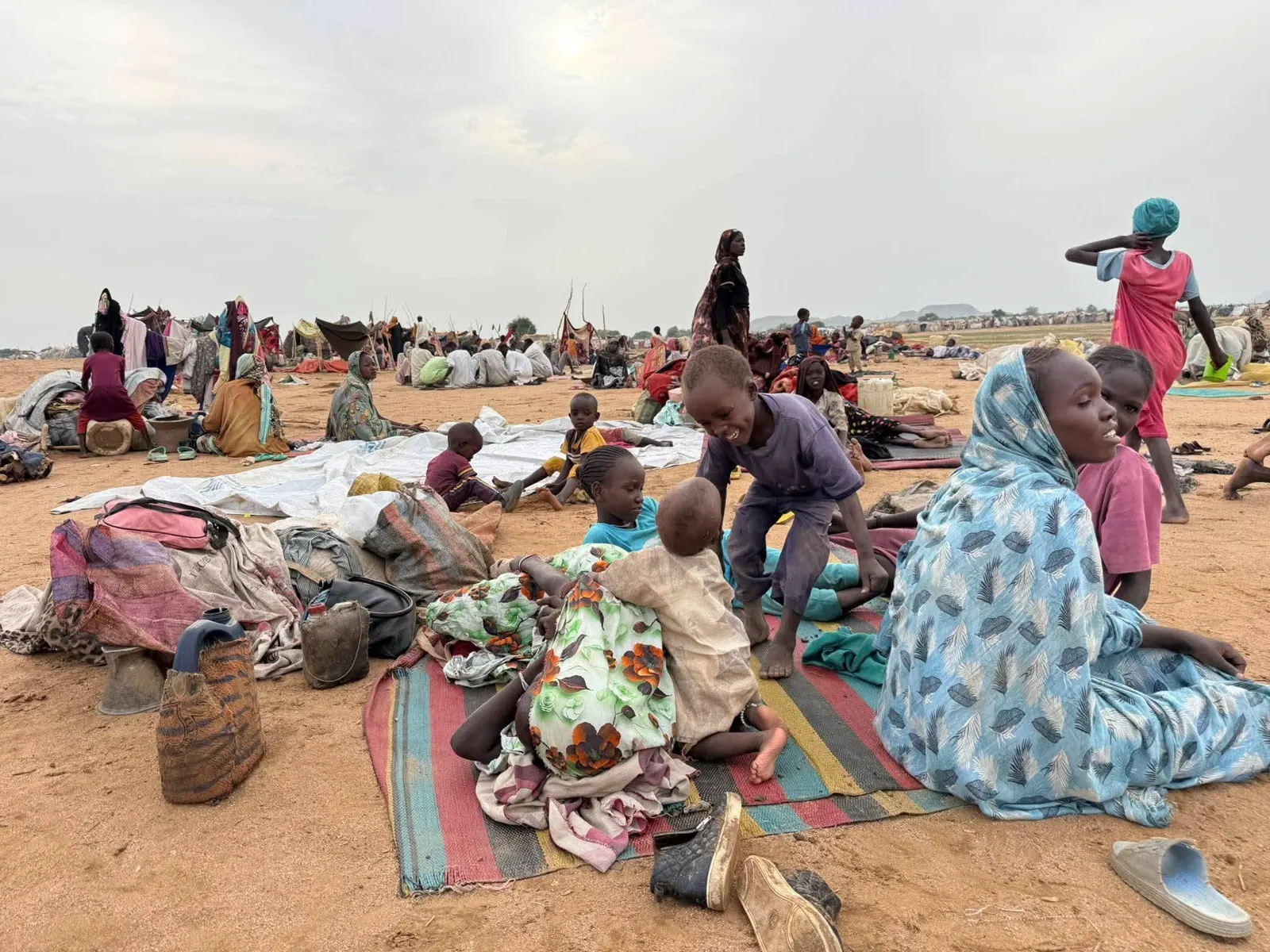
The humanitarian crisis in Darfur, Sudan, has escalated due to the ongoing conflict, drought, and restricted humanitarian access. Over half of the population has been displaced, and the local economy has collapsed. The 2026 rainy season failed in most Darfur states, threatening a widespread famine and unprecedented humanitarian disaster. A report by the "Center for Humanitarian Change" notes that rainfall in Darfur was severely delayed, starting in mid-August or early September, compared to the usual May-July period.
The report highlights that North and West Darfur states are the most affected, with complete crop failure and damage in areas such as Al-Malha, Dar Zaghawa, Kutm, Misteri, and Sirba. Some farmers have switched to cultivating watermelon in sandy areas for food, livestock feed, and water extraction. The conflict has also impacted farmers' ability to access their land, particularly in West Darfur, due to armed groups affiliated with the Rapid Support Forces.
The report documents various protection-related incidents, including attacks on farmers and restrictions on their access to land. Armed pastoralist groups have introduced their livestock into citizens' farms early, as traditional grazing areas are inaccessible due to conflict. The drought has also affected livestock, with overcrowding in specific areas, leading to resource depletion, disease outbreaks, and increased animal mortality.
The crisis has resulted in a severe shortage of drinking water, with prices increasing significantly. In El-Geneina, the price of a barrel of water rose from 6,000 to 25,000 Sudanese pounds. Women and children are traveling long distances, up to 7 kilometers, to fetch water. The markets in Darfur have also been disrupted, with a sharp increase in the prices of sorghum and corn, and a decline in livestock prices.
The report notes that families are reducing their meals to one per day, and many are moving towards cities and towns in search of food and water. The situation is reminiscent of the 1984/1985 famine. The report recommends providing immediate food and cash assistance to the most affected rural areas, particularly in North and West Darfur, to prevent massive displacement and overcrowding in displacement camps.
The report also suggests supporting direct livelihoods, such as providing seeds and winter agricultural supplies, and converting water stations to solar power. Additionally, it recommends providing veterinary and medical services for livestock and supporting local committees to resolve conflicts between pastoralists and farmers. The report emphasizes the need for pressure on armed parties to allow free movement of trade, civilians, and livestock.
The humanitarian situation in Darfur is expected to worsen if urgent action is not taken. The report's recommendations aim to mitigate the crisis and provide relief to affected communities. The international community is urged to support efforts to address the humanitarian crisis in Darfur and ensure unrestricted humanitarian access.
Key points
- The humanitarian crisis in Darfur is attributed to the triple threat of drought, war, and restricted humanitarian access.
- The crisis has resulted in significant displacement, economic collapse, and increased food and water shortages.
- Urgent action, including food and cash assistance, is necessary to prevent further deterioration of the situation.