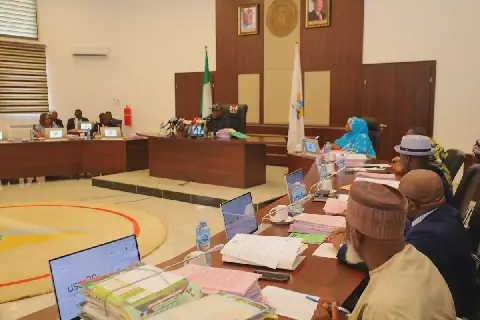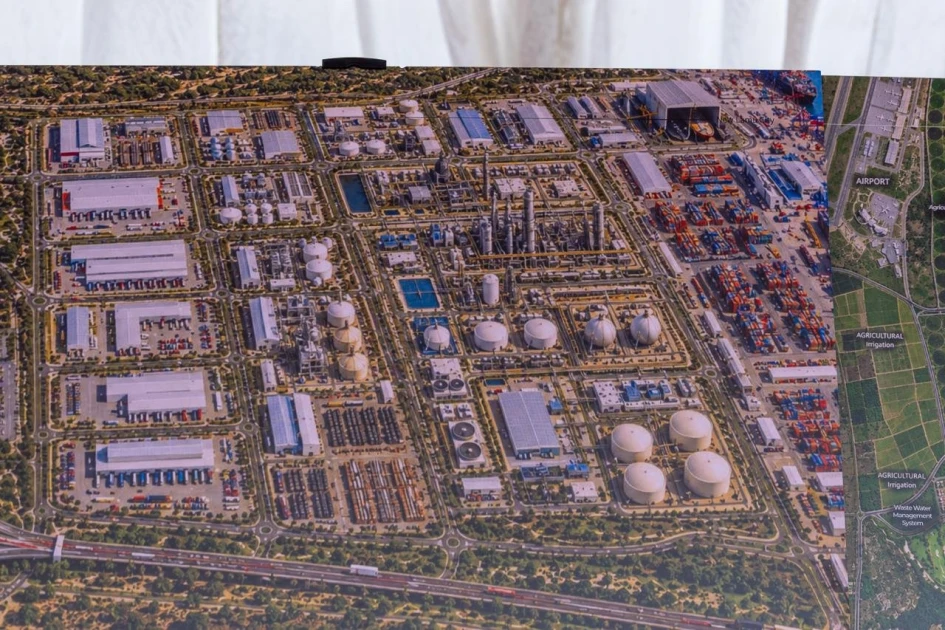
Nigerian billionaire Aliko Dangote has launched the construction of the Dangote East Africa Petroleum Refinery in Lamu, Kenya, with an estimated cost of USD 16 billion (approximately KSh 2.1 trillion). The project aims to demonstrate Africa's ability to undertake large-scale industrial projects using its own resources and expertise. Dangote made the announcement during a groundbreaking ceremony attended by regional leaders, including Deputy President Kithure Kindiki, Ugandan President Yoweri Museveni, and Ethiopian Prime Minister Abiy Ahmed.
The refinery project is expected to strengthen Africa's industrial capacity and reduce dependence on imported petroleum products. Dangote stated that the project would be completed within 40 months, saying, "Lekki proved that it can be done, Lamu must prove that it can be repeated." He referred to his refinery in Nigeria, which has successfully been in operation. The project will create thousands of employment opportunities for local residents, according to Lamu Governor Issa Timamy.
The project has, however, encountered legal challenges over land ownership and environmental concerns. A group of 133 residents has challenged the proposed development in court, claiming ancestral rights over land earmarked for the refinery and raising concerns about compensation and environmental safeguards. The Environment and Land Court in Malindi ordered the parties to maintain the status quo on the disputed land pending further proceedings scheduled for October 14, 2026.
Despite the court challenges, Dangote expressed confidence that the project will be completed on schedule. He revealed that preparations are already underway, with over 110 pieces of equipment available for the project and an additional 400 expected to arrive within the next 60 days. The businessman emphasized the importance of industrialization, arguing that African countries must invest in processing their natural resources rather than relying heavily on exports of raw materials and imports of finished products.
Deputy President Kithure Kindiki praised Dangote for his investment ambitions, describing the project as an example of African-led industrial development. Kindiki said, "Dangote has shown that Africa can do and do it well. Thank you for being a responsible son of this continent." The ceremony attracted regional leaders, including Benin President Romuald Wadagni and Togo President Jean-Lucien Savi de Tové, among others.
Lamu Governor Issa Timamy criticized individuals who have moved to court seeking to stop the project, accusing them of frustrating an investment that would create thousands of employment opportunities for local residents. Timamy challenged those who had participated in demonstrations against the development, maintaining that the county stood to benefit economically from the investment. He also cautioned residents against hastily disposing of their land amid claims that property values in the area had risen significantly following the announcement of the project.
The refinery is being presented by its proponents as a major industrial investment for Lamu and the wider East African region. However, its projected economic benefits and commissioning timeline remain dependent on successful implementation. President Ruto has since stated that the project will proceed despite court cases and protests. The project's success will be closely watched by investors and industry experts, as it has the potential to significantly boost Africa's industrial capacity and reduce reliance on imported petroleum products.
Key points
- The Dangote East Africa Petroleum Refinery is expected to cost USD 16 billion (approximately KSh 2.1 trillion) and create thousands of employment opportunities for local residents.
- The project has encountered legal challenges over land ownership and environmental concerns, but Dangote expressed confidence that it will be completed on schedule.
- The refinery aims to demonstrate Africa's ability to undertake large-scale industrial projects using its own resources and expertise, and boost the continent's industrial capacity.