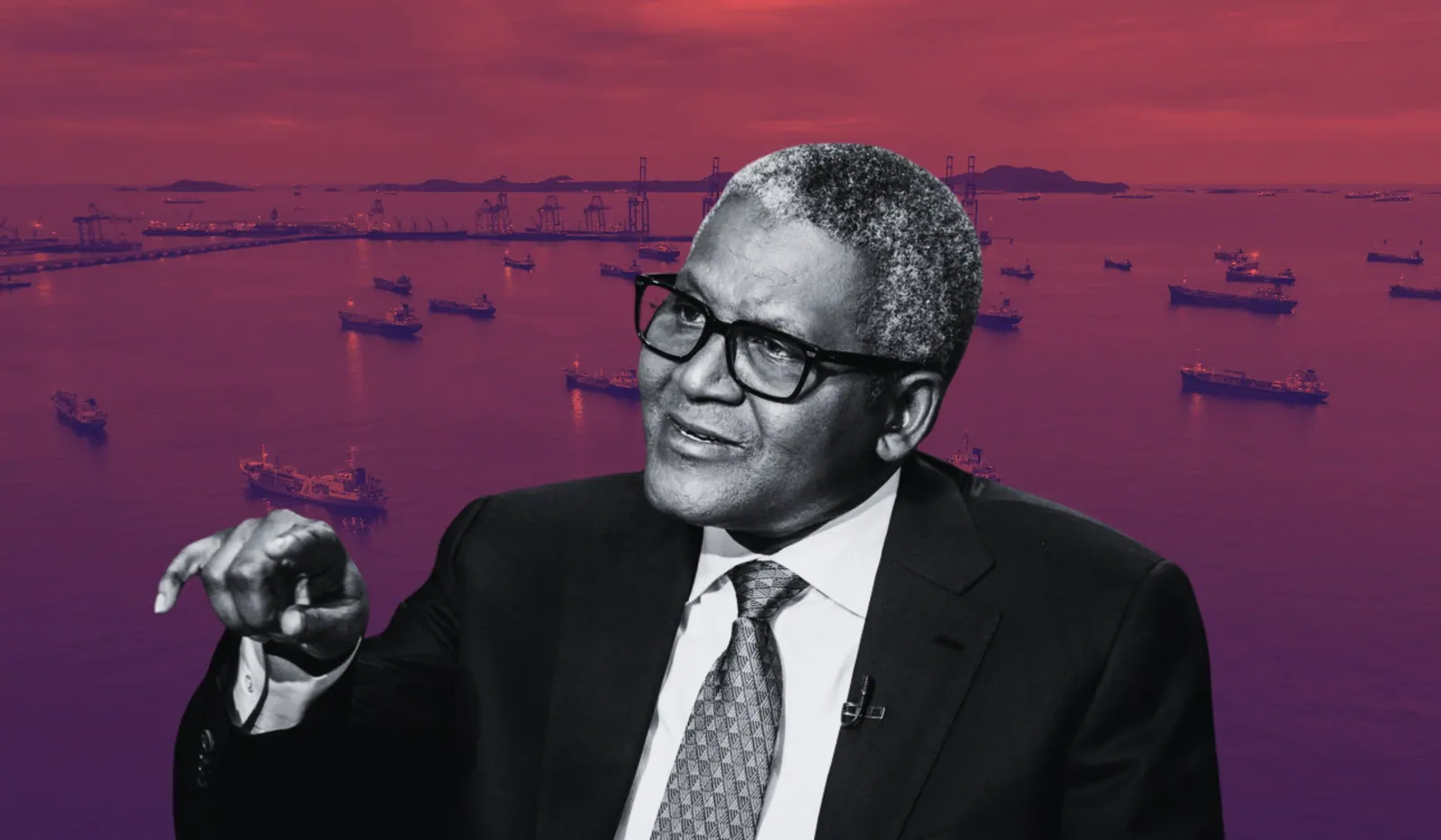
The Dangote Petroleum Refinery's Initial Public Offering has generated significant excitement among young Nigerians, who are eager to buy shares in the company and become part-owners of one of Africa's largest businesses. Social media platforms are filled with jokes, aspirations, and personal expressions of identity related to the purchase of Dangote shares. This phenomenon has taken the conversation about investing beyond financial markets and into discussions about wealth, status, and participation in African businesses.
The Dangote IPO has made investing more accessible to ordinary Nigerians, particularly younger investors who may have previously viewed the stock market as reserved for wealthy individuals or financial professionals. With a minimum subscription of 10 shares at N525 each, the entry point is relatively low, making ownership feel more attainable. This accessibility has helped to change the relationship young Nigerians have with major African businesses, from simply being consumers to potentially being owners.
Femi Iromini, CEO and co-founder of Rank, believes that the IPO provides an opportunity to change the way young Nigerians think about investing. He notes that millions of young Nigerians know Dangote, see the trucks, use the products, and understand the scale of the businesses. The opportunity presented by public markets is to change the relationship from simply being a consumer of African businesses to potentially being an owner of them. Iromini emphasizes that the more important question is whether the excitement can encourage a broader change in mindset.
Uchenna Uzo, professor of Marketing at the Lagos Business School, attributes the appeal of the IPO to the story behind the Dangote brand and refinery. The refinery represents another chapter in successive efforts to demonstrate that large-scale projects can be built and operated successfully in Nigeria and Africa. The growing interest in locally produced goods and services over the past three to five years has also made Nigerians more comfortable identifying with businesses that are distinctly African.
The decision to buy Dangote shares can carry a meaning beyond financial returns, becoming a status thing, particularly for young people. They are using it to show that they are part of a movement—a movement for Africanness. The refinery's own story also matters, representing hope and courage in a country where many large projects struggle to move from ambition to completion. Dangote's personal wealth adds another layer to the fascination surrounding the IPO, but Uzo notes that what is more important is how he got there.
Social media and celebrity influence have also helped move investing into popular culture. Celebrities such as Davido, whose disclosure that he bought shares generated further attention among his large young following. Young people are driven by influencers, and once influencers speak, young people want to follow. The phenomenon illustrates how investment behavior is increasingly shaped not only by financial institutions and traditional market information but also by the communities and personalities young people already follow online.
The real test of the Dangote IPO may come after the excitement fades. Iromini notes that access is only one part of the equation, and access alone doesn't solve the problem anymore. Technology has dramatically reduced the friction involved in buying many investment products, but the next challenge is behavior. Uzo expects the market to eventually separate investors who are primarily motivated by financial returns from those attracted by lifestyle, fashion, celebrity influence, or a desire to identify with the Dangote story.
Key points
- The Dangote IPO has made investing more accessible to ordinary Nigerians, particularly younger investors.
- The IPO has generated excitement among young Nigerians, who see it as a chance to own part of a major African business and connect with a broader cultural movement.
- The phenomenon illustrates how investment behavior is increasingly shaped by social media, celebrity influence, and a desire to identify with African businesses.