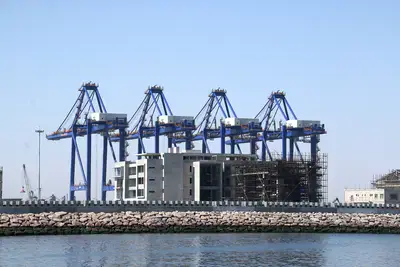
On November 4, Aliko Dangote and Namibian President Netumbo Nandi-Ndaitwah launched a $2.5 billion fuel storage and pipeline project in the port of Walvis Bay. The project aims to supply landlocked countries across southern Africa, including Botswana, Zambia, Zimbabwe, Malawi, and southern Congo. The terminal will have a capacity of 600 million liters, and a proposed 1,700km pipeline will carry fuel to these countries, pending approval.
This project is part of Dangote's strategy to drive industrial growth in Africa. His conglomerate has already made significant investments in Nigeria, where it has built a refinery that has reduced the country's reliance on imported fuel. The refinery, located near Lagos, has been operational since 2023 and supplies most of Nigeria's gasoline. It also exports fuel to Europe, with exports rising from 15,000 barrels a day in 2023 to 130,000 barrels a day in the second quarter of 2026.
Dangote's bet on Africa's industrial growth is rare, as many investors are hesitant to risk large sums in the continent. However, his investments have paid off, and he is now encouraging other executives to follow suit. He has raised his target for investment in African industry to $60 billion by 2030 and is bringing in other investors to join his projects. In Kenya, ground was broken in September for a refinery and petrochemicals complex worth around $16 billion.
The Namibian project is expected to have a significant impact on the region, creating jobs and stimulating economic growth. It also demonstrates that large African projects can raise capital at home and teaches governments and investors about share ownership and risk-taking. Dangote's refinery in Nigeria, for example, offered shares to citizens in a September share offering, which was billed as the largest in African history.
The project also tests the African Continental Free Trade Area, which aims to facilitate trade across borders. Each project that works makes the next one easier and adds up to regional centers of production that employ people and give African producers more say in world markets. Nigeria has already felt the pressure, with the government confronting policies on petroleum imports, exchange rates, and local supply that had been left alone for years.
The success of Dangote's projects depends on governments responding with reform and entrepreneurs committing capital. In Nigeria, the Petroleum Industry Act set a framework that favors domestic refining, and the government removed the gasoline subsidy and implemented new tax laws. However, regulators need to ensure that the rules protect consumers while rewarding companies that invest in the continent.
Governments can also help build the single African market by fixing infrastructure and making rules predictable. Many countries have the resources and potential to develop their own industries, but they need entrepreneurs and serious governments to seize the opportunities. Dangote's bet on Africa's industrial growth is not out of charity, but a call to action for others to join him in investing in the continent's future.
Key points
- Aliko Dangote launches $2.5 billion fuel storage and pipeline project in Namibia to supply landlocked countries in southern Africa.
- Dangote aims to drive industrial growth in Africa with investments in refineries and petrochemicals complexes.
- The project tests the African Continental Free Trade Area and demonstrates that large African projects can raise capital at home.
Reporting sources
- Dangote bets on Africa making its own wealth · Mail & Guardian