The Ebola outbreak in the Democratic Republic of Congo, caused by the Bundibugyo virus, has resulted in 5,400 deaths and over 11,000 cases since its declaration six months ago. Children account for over a quarter of confirmed infections and a third of all deaths, with seven in every 10 children under five who contract the virus dying. The outbreak has spread to 67 health zones across eight provinces, with 400-500 new cases reported weekly.
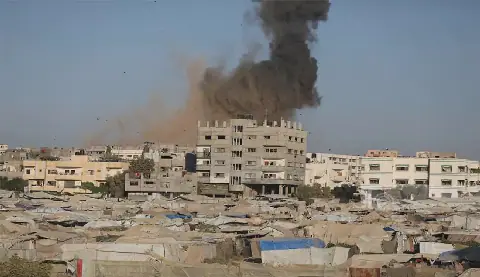
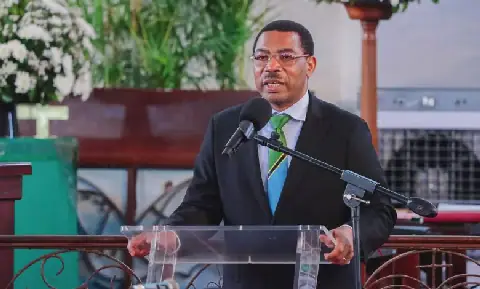
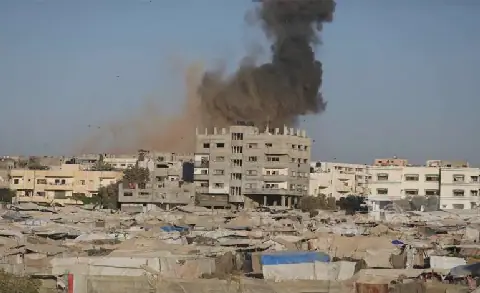
Dr. Chikwe Ihekweazu, Executive Director of WHO's Health Emergencies Programme, has warned that the outbreak continues to take a devastating toll on affected communities despite improvements in the response. He called on international partners to sustain their support, citing insecurity as the biggest obstacle to the response. Over 80 attacks on healthcare facilities and personnel have been verified since the outbreak began, restricting access to people in need of help and disrupting surveillance and treatment.
The WHO has identified that two-thirds of confirmed Ebola deaths are occurring in communities rather than treatment centers, indicating that many infections are being detected too late. Contact follow-up also remains below target, with over 1,000 contacts lost to follow-up following an armed attack. Dr. Ihekweazu emphasized that early detection, contact tracing, infection prevention, safe and dignified burials, and community engagement are essential in stopping further transmission.
Dr. Tedros Adhanom Ghebreyesus, WHO Director-General, has warned that progress in some affected areas should not be mistaken for control of the entire outbreak. New hotspots continue to emerge, and insecurity, displacement, and difficult terrain are complicating efforts to reach affected communities. He emphasized the importance of community trust in the response, built through respectful engagement, reliable services, accountability, and action on community concerns.
The coordinated response involving the UN, WHO, Africa Centres for Disease Control and Prevention, and nearly 100 humanitarian and health partners has registered significant progress. Several initial epicenters have been brought under control, and diagnostic capacity has expanded from two laboratories to over two dozen. Nearly 2,000 treatment beds are now available in 104 treatment and transit centers, and about 3,000 people have recovered from Ebola.
Community interventions have expanded, with over 17,000 community health workers and 46,000 community actors trained and equipped to support surveillance, contact tracing, and public awareness. Health teams have maintained essential maternal health services and introduced targeted interventions to support women and children. Safe and dignified burial interventions have improved, with nearly 90 percent of registered deaths managed through procedures designed to prevent further infections.
The response has advanced research into potential treatments and vaccines, including clinical trials and evaluation of vaccine candidates developed specifically against the Bundibugyo virus. However, WHO and its humanitarian partners warn that these gains remain fragile and require sustained international support, improved security, and better access to communities affected by conflict. Dr. Ihekweazu emphasized that the response must address wider humanitarian challenges facing communities, rather than concentrating exclusively on Ebola.
Key points
- The Ebola outbreak in the DRC has claimed 5,400 lives and over 11,000 cases since its declaration six months ago.
- The WHO has warned that withdrawing support now would be premature, citing ongoing insecurity and humanitarian challenges.
- The response has registered significant progress, including bringing several initial epicenters under control and expanding diagnostic capacity.
Reporting sources
- DRC Ebola Outbreak Claims 5,400 Lives as WHO Warns Against Withdrawing Support · Uganda Radio Network