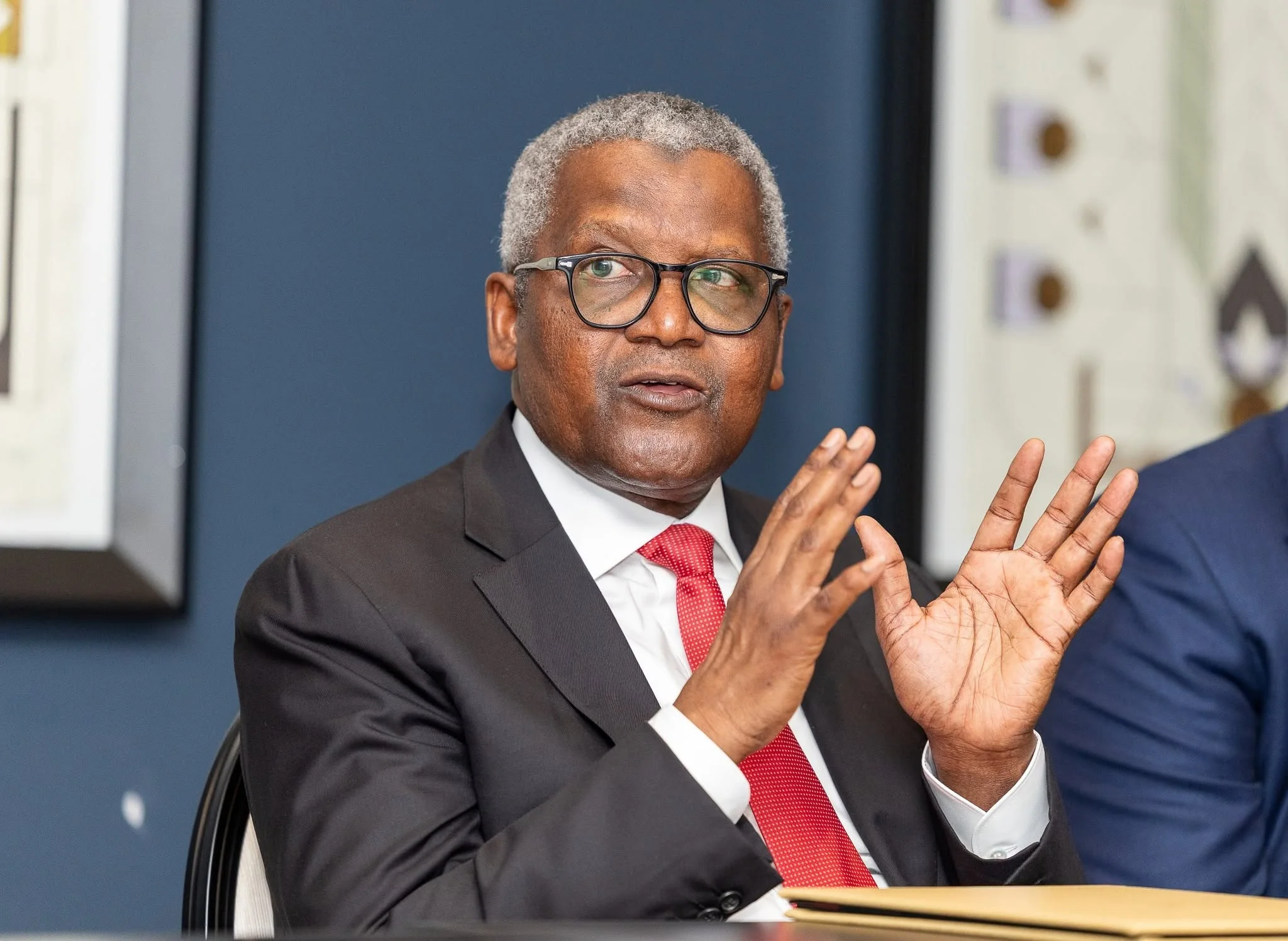
A 120-kilometre fuel pipeline connecting Djibouti's Damerjog Port to a fuel distribution facility in Dewele, Ethiopia, is set to revolutionize the transportation of petroleum products between the two countries. The project, backed by Nigerian billionaire Aliko Dangote, will have a storage capacity of approximately 400 million litres. This development is expected to significantly impact the energy security and supply chain resilience of landlocked Ethiopia, which relies heavily on Djibouti's port for imports, including petroleum products.
The pipeline project, valued at $660 million, is anticipated to begin operations within 18 months. According to Ethiopian Prime Minister Abiy Ahmed, the pipeline will reduce the time needed to transport fuel from Djibouti to Addis Ababa from about five days to one. The initial phase will carry jet fuel, diesel, and petrol, easing pressure on existing transport networks serving various sectors such as transport, aviation, agriculture, and construction.
The project was celebrated at a groundbreaking ceremony on September 25, 2026, attended by Africa's richest man, Aliko Dangote. He emphasized that the pipeline would strengthen Ethiopia's energy security and make its fuel supply chain more resilient. The pipeline is also expected to benefit Djibouti through increased port activity, job creation, and higher government revenues.
The new pipeline is part of Dangote's broader expansion of infrastructure and manufacturing investments across Africa. His company, Dangote Cement, has a production capacity of about 55 million tonnes per year. Additionally, his Nigerian oil refinery currently processes 700,000 barrels of crude oil per day and aims to double this capacity to 1.4 million barrels.
Dangote's investments in Africa's energy and infrastructure sector are extensive. In Kenya, he is scheduled to break ground on a proposed 700,000-barrel-a-day crude oil refinery in Lamu. This project could potentially turn Kenya into a regional oil and logistics hub. Dangote's Lamu refinery project has garnered significant attention, with expectations of creating 50,000 jobs.
The Ethiopia-Djibouti fuel pipeline project is a significant step towards enhancing regional trade and energy security in East Africa. By reducing transportation time and increasing efficiency, the pipeline is expected to have a positive impact on the economies of both Ethiopia and Djibouti. The project's success could also serve as a model for future infrastructure developments in the region.
As the project moves forward, it will be crucial to monitor its progress and impact. With a planned storage capacity of 400 million litres and the ability to transport various fuel types, the pipeline is poised to play a vital role in meeting the energy needs of Ethiopia and the wider region. The involvement of prominent businessman Aliko Dangote underscores the project's significance and potential for success.
Key points
- The $660 million pipeline will connect Djibouti's Damerjog Port to a fuel distribution facility in Dewele, Ethiopia.
- The project is expected to begin operations within 18 months and will initially carry jet fuel, diesel, and petrol.
- The pipeline will reduce the time needed to transport fuel from Djibouti to Addis Ababa from five days to one.