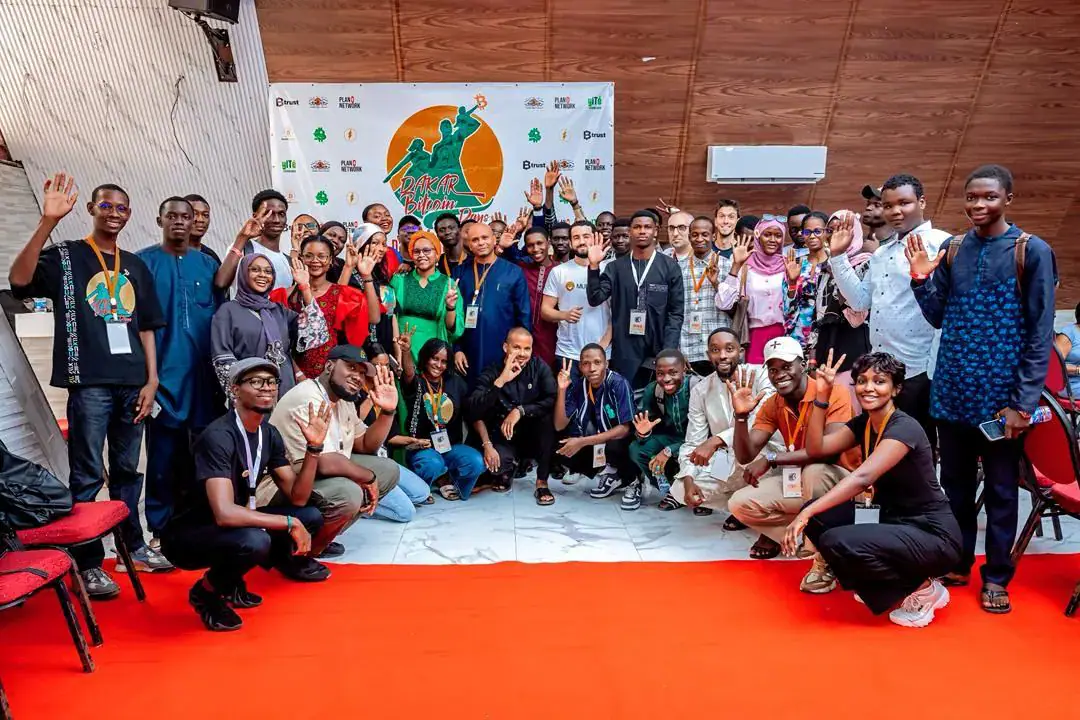
The fourth edition of Dakar Bitcoin Days is set to take place on November 27-28, 2026, at SEANEMA, Sea Plaza, in Dakar. The conference aims to bring together players from across the ecosystem to better understand Bitcoin and crypto-assets, explore their practical applications, and reflect on their potential for the development of African economies. This year's event will focus on crypto-asset regulation and decentralised cross-border payments.
Bitcoin is often associated with price, speculation, or market swings, but it is also an open, decentralised monetary network accessible to anyone with an Internet connection. The technology enables the transfer of value without traditional financial intermediaries, opening up prospects in areas such as international payments, money transfers, trade, entrepreneurship, and digital services. The Lightning Network, built on top of Bitcoin, allows for fast, low-cost payments, making it suitable for everyday transactions.
The development of digital assets has attracted the interest of financial institutions, central banks, and governments worldwide. In West Africa, the international conference on crypto-assets and digital innovation held by the BCEAO in Dakar on May 8, 2026, highlights the growing importance of these issues in institutional thinking. Regulators are working to clarify rules applicable to digital assets, while cybersecurity incidents serve as a reminder of the need for solid knowledge of security, risk management, and user protection.
For Senegal, the challenge is twofold: to understand these technologies, their opportunities, risks, and economic implications, and not to remain a spectator of these transformations. The country needs to equip itself to address issues such as facilitating payments between Senegal and its trading partners, improving money transfer operations, and providing access to new markets for entrepreneurs. Young people need to be trained in the skills required to build tomorrow's digital infrastructure.
The future of Bitcoin and digital technologies in Africa cannot be built by a single category of players. Public institutions, banks, financial institutions, companies, entrepreneurs, universities, researchers, and training institutions all have a role to play in understanding the issues, developing frameworks, and protecting citizens. The convergence of skills, experience, and perspectives is crucial, and Dakar Bitcoin Days seeks to encourage this convergence.
The fourth edition of Dakar Bitcoin Days will bring together speakers from various fields, including finance, economics, cryptography, cybersecurity, entrepreneurship, and technological innovation. The programme will be built around two complementary themes: an institutional approach to crypto-assets and decentralised cross-border payments. Discussions will cover issues such as regulation, monetary sovereignty, financial stability, and public policy.
The event aims to foster a better understanding of institutional issues, allow players to compare their analyses, and explore the potential of decentralised payment solutions to facilitate economic exchanges across the continent. As the African Continental Free Trade Area (AfCFTA) is being implemented, cross-border payments are a major issue for businesses, traders, entrepreneurs, and diasporas. Bitcoin and the Lightning Network offer avenues to explore for facilitating value transfers and developing new commercial uses.
Key points
- The conference will focus on crypto-asset regulation and decentralised cross-border payments.
- The event aims to bring together players from across the ecosystem to better understand Bitcoin and crypto-assets.
- The Lightning Network enables fast, low-cost payments, making it suitable for everyday transactions.